




7 Signs Your Body Needs a Massage | C&R Thai Massage Chiang Mai 2026
Notice these 7 common signs your body may benefit from a massage. Practical wellness guidance for travelers and digital nomads in Chiang Mai from C&R Thai Massage.
THAI MASSAGE AND WELLNESSHEALTHCARE & MEDICAL TIPS
8/13/20266 min read


7 Signs Your Body Needs a Massage
Disclaimer: This guide is for educational and wellness purposes only. It does not constitute medical advice. Please consult a healthcare professional regarding any specific health concerns before receiving massage therapy.
Your body often sends quiet signals before tension becomes overwhelming. In Chiang Mai, where many visitors and long-stay guests balance temple visits, laptop work, night markets, and travel days, those signals can appear faster than expected. Recognizing them early makes it easier to schedule supportive care rather than waiting until discomfort dominates your day.
At C&R Thai Massage we meet people every day who arrive with similar stories: “I didn’t realize how tight my shoulders were until I lay down,” or “I just felt I needed to reset.” This guide outlines seven common signs that many guests notice. None of them are diagnoses. They are everyday observations that often improve with professional, attentive massage focused on relaxation, comfort, and general well-being.
Sign 1: Persistent Muscle Tightness or Stiffness
You wake up or stand up after sitting and notice that your neck, shoulders, upper back, or hips feel tight. The sensation may ease slightly with movement but returns quickly. This is one of the most frequent reasons people book a session in Chiang Mai.
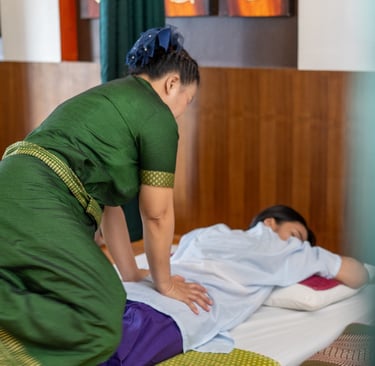
Long flights, songthaew rides, hours in cafés, and walking on uneven temple grounds all contribute. Traditional Thai massage uses rhythmic pressure and passive stretches that many people find helpful for restoring a sense of ease. Oil or hot stone sessions can also soften the feeling of tightness through steady, warming work. The goal is greater comfort in daily movement, not a medical correction.
Sign 2: Difficulty Switching Off or Winding Down
You finish work or return from a day of sightseeing, yet your mind stays busy. Your shoulders remain raised. You find it hard to sit still or enjoy a quiet evening. This mental and physical restlessness is common among digital nomads and travelers who move between stimulating environments.
A calm massage environment offers a structured pause. The combination of touch, quiet surroundings, and focused attention helps many people transition out of “on” mode. Aromatherapy oil massage is especially popular for this purpose because the sensory element supports a clearer shift toward rest.
Sign 3: Posture-Related Discomfort from Sitting or Laptop Work
After several hours at a laptop or looking down at a phone, you notice a dull ache across the upper back, a forward head position, or tightness along the front of the chest and shoulders. Digital nomads and remote workers in Chiang Mai frequently mention this pattern.
Thai massage can include stretches that open the chest and lengthen the front of the body while releasing the overworked back muscles. Even a focused 60-minute session on the upper body often leaves people feeling more upright and less compressed. Consistent attention to this sign helps many maintain comfort during longer work stays.
Sign 4: Feeling Mentally Foggy or Overloaded
You have been productive, yet concentration feels harder than usual. Decisions take more effort. You may feel slightly detached or overstimulated by the city’s energy. Travel, time-zone shifts, and continuous planning can all contribute.
Massage does not clear mental fog in a clinical sense. What it often provides is a period of reduced external input and gentle physical care. Many guests report that the quiet focus of a session helps them feel more centered afterward. This is one reason rainy-day or late-afternoon bookings are popular—people use the time as a deliberate mental reset.
Sign 5: Reduced Ease of Movement or Flexibility
Movements that once felt simple—reaching overhead, turning to look behind you, or sitting comfortably on the floor—now feel restricted. You may notice it most when putting on shoes, climbing temple steps, or getting in and out of a songthaew.
Traditional Thai massage is often described as “passive yoga” because the therapist guides the body through ranges of movement. Guests who feel less flexible frequently choose 90-minute sessions so there is enough time for thorough, unhurried stretching. The aim is improved comfort and ease in everyday activities.
Sign 6: Trouble Settling into Good Rest at Night
You feel tired yet take longer to fall asleep, or you wake feeling less refreshed. Travel schedules, café caffeine, and the residual stimulation of a busy day can all play a role.
An evening massage, particularly one that emphasizes slower oil work or gentle Thai techniques, helps many people create a clearer boundary between daytime activity and nighttime rest. Pairing the session with an earlier dinner and reduced screen time often amplifies the sense of readiness for sleep. As always, persistent sleep difficulties should be discussed with a healthcare professional.
Sign 7: A General Sense That You Need a Full Reset
Sometimes there is no single sharp symptom—just an overall feeling that your body and mind would benefit from dedicated care. You may have been pushing through a packed itinerary, a demanding work week, or the cumulative effect of heat, walking, and new experiences.
This broad signal is valid. Many regular guests at C&R book precisely because they have learned to trust that quiet internal cue. A 90-minute session or a thoughtful combination treatment can serve as a complete pause, allowing both physical and mental systems to settle.


How to Respond When You Notice These Signs
Awareness is the first step. The second is choosing support that matches your current needs:
Book sooner rather than later if several signs appear together.
Select a duration that feels realistic—60 minutes for a solid reset, 90 minutes when you want more space.
Communicate clearly with your therapist about areas of tightness and preferred pressure.
Allow time afterward for water and a few quiet minutes before returning to busy streets.
Ignoring the signals rarely makes them disappear. Addressing them with professional care often restores a greater sense of ease.
Choosing the Right Massage Style and Duration
Traditional Thai massage suits signs related to stiffness, posture, and reduced movement.
Aromatherapy or oil massage supports winding down and mental overload.
Hot stone work is comforting when overall heaviness or cool, rainy weather is present.
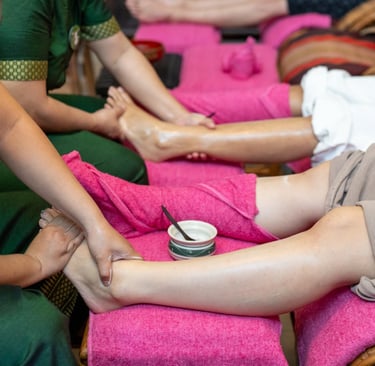
Focused shorter sessions work well for specific upper-body or foot tension.
At C&R we help guests match the style and length to the signs they describe. There is no pressure to choose the longest option—only the one that best serves you that day.
Why C&R Thai Massage Is a Reliable Next Step
Both of our Chiang Mai locations—near the Sunday Walking Street area and at Chiang Mai Gate—are designed for calm, professional care. Treatment rooms are clean and comfortable. Therapists are trained to listen and adapt. Whether you are a first-time visitor noticing Sign 1 or a long-stay guest responding to Sign 7, the emphasis remains the same: respectful, attentive wellness support.
Many digital nomads and travelers build regular sessions into their Chiang Mai routine precisely because they have learned to recognize these everyday signals early.


Conclusion
Your body communicates through tightness, restlessness, posture discomfort, mental fog, reduced ease of movement, restless nights, and the simple feeling that a reset would help. These seven signs are common among people exploring or living in Chiang Mai. None of them require alarm; all of them invite thoughtful care.
Massage offers a practical, restorative response focused on relaxation, comfort, and general well-being. When you notice one or more of these signals, consider booking a session that matches your needs. At C&R Thai Massage we are ready to welcome you at either branch and help you move through the day with greater ease.
Check availability and give your body the attentive care it is asking for.
FAQ Section
How soon should I book a massage after noticing these signs? As soon as it is practical. Addressing mild tightness or restlessness early often feels more effective than waiting until discomfort is stronger.
Can a single massage resolve all seven signs? A single session can provide noticeable relief and a valuable reset. Ongoing comfort is usually supported by consistent, well-timed care rather than one isolated treatment.
Which sign is most common among digital nomads in Chiang Mai? Posture-related discomfort from laptop work and difficulty winding down are frequently mentioned. Many nomads combine upper-body focus with full-body sessions.
Is it normal to feel emotional during or after a massage when tension releases? Some people experience a sense of release or quiet emotion. This is a normal response for certain individuals. Therapists at C&R provide a respectful, private space.
Should I see a doctor instead of booking a massage? If signs are severe, sudden, or accompanied by other concerning symptoms, consult a healthcare professional first. Massage is a wellness support, not a substitute for medical care.
Suggested Internal Links
How to Choose the Right Massage Duration
Digital Nomad Posture Fix: Thai Massage for Laptop Back Pain in Chiang Mai 2026
Find Your Calm: How Massage Relieves Travel Stress
How Often Should Tourists Get Thai Massage While in Chiang Mai? Expert Schedule 2026
First-Time Thai Massage in Chiang Mai: What Foreigners Need to Know Before Booking 2026
Branch 1: Sunday Walking Street
(10 AM - 10PM)
Address: 145/8 Rajdamnern Road T. Prasingh
A. Mueng Chiang Mai 50200
Branch 2: Chiang Mai Gate
(10 AM - 10PM)
Address: 18/5 Rat Chiang Saen Road T. Hai Ya
A. Mueng Chiang Mai 50100
Phone Number:
+66 (0) 94 601 6207
+66 (0) 83 480 2627
Email: services.crgroup@gmail.com