



Aroma Oil vs Hot Oil Massage: Which One Do You Need? | C and R Thai Massage
Discover the key differences between Aroma Oil and Hot Oil massage. Learn about the benefits for muscle recovery, stress relief, and skin health to choose your perfect spa session.
THAI MASSAGE AND WELLNESS
4/6/20265 min read
Aroma Oil vs. Hot Oil Massage: What’s the Difference and Benefits?
Introduction: The Choice of Serenity
You walk into C and R Thai Massage, leaving the humid air and the buzzing motorbikes of Chiang Mai’s Old City behind. You are greeted by the scent of lemongrass and the cool quiet of our sanctuary. You look at the menu, and you see two tempting options: Aromatherapy Oil Massage and Hot Oil Massage.
At first glance, they seem similar. Both involve a private room, soft music, and a skilled therapist using high-quality oils to melt away your travel fatigue. But as any seasoned spa-goer will tell you, the experience and the physiological benefits of these two treatments are worlds apart.
Choosing the wrong one isn't a disaster—both are incredibly relaxing—but choosing the right one can be the difference between a nice afternoon and a life-changing recovery session.
At C and R, we believe an informed client is a relaxed client. Whether you’ve just finished trekking in Mae Rim or spent the day shopping at the Sunday Walking Street, here is your definitive guide to understanding the nuances, the science, and the soulful benefits of Aroma vs. Hot Oil massage.
Part 1: What is Aromatherapy Oil Massage? (The Sensory Journey)
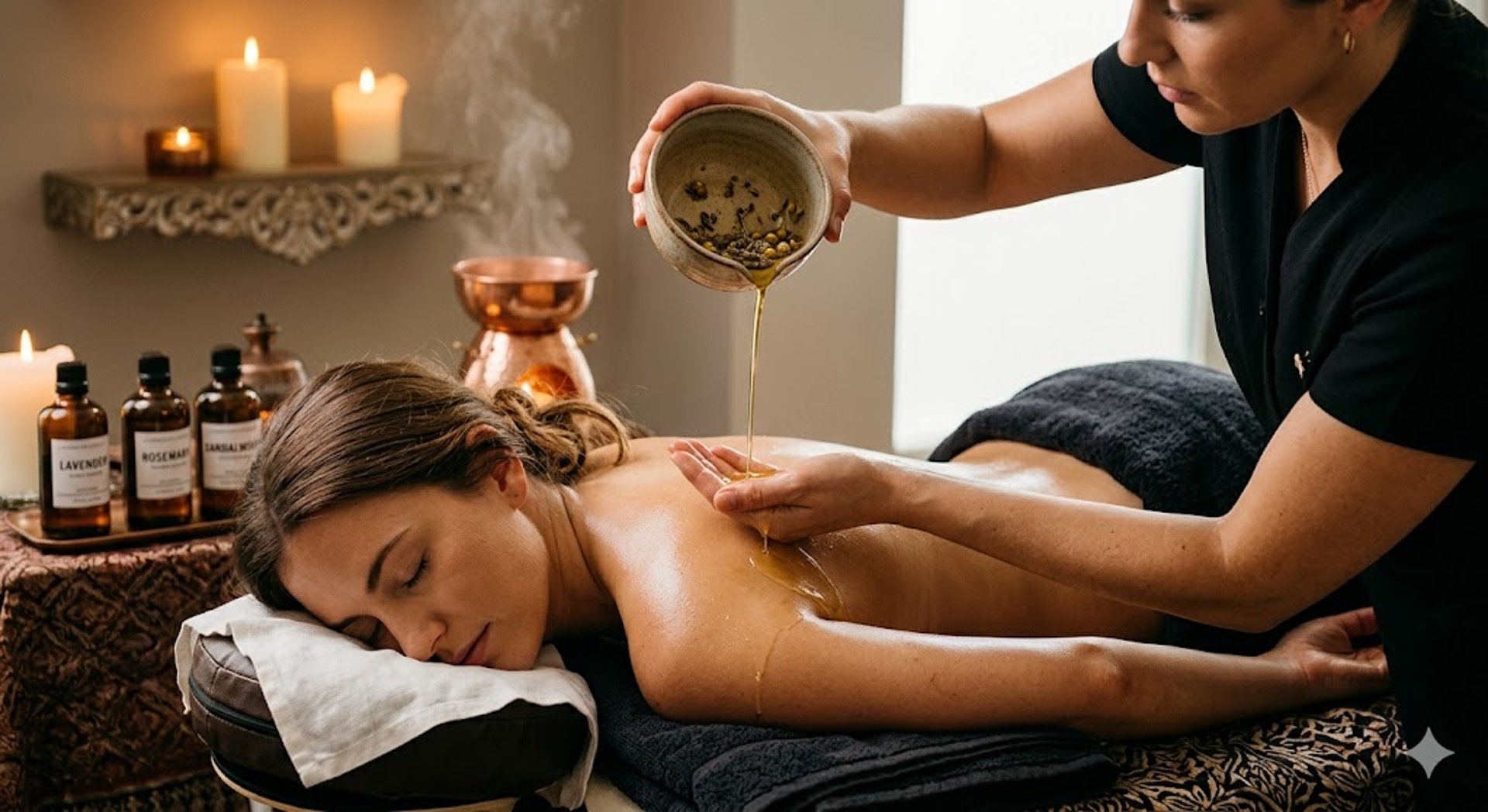
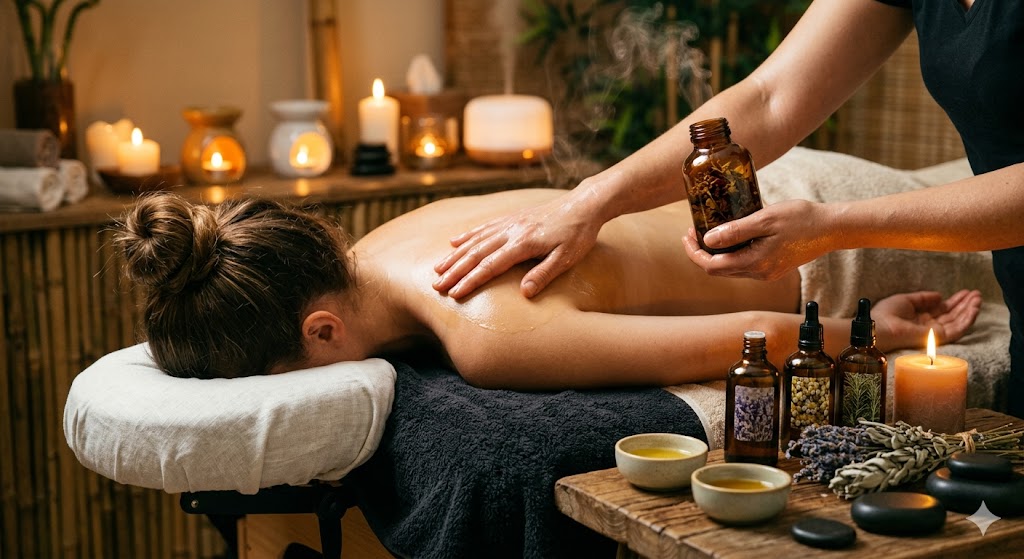
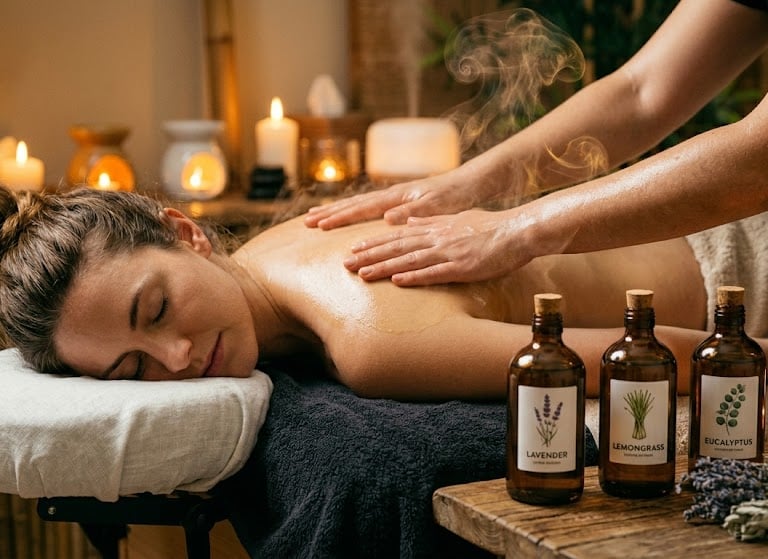
Aromatherapy is an ancient practice that uses natural plant extracts—essential oils—to promote health and well-being. In this session, the "star of the show" is the scent.
The Technique: An Aroma Oil massage typically uses a lighter touch. The strokes are long, rhythmic, and flowing (known as Effleurage). The goal is to stimulate the lymphatic system and calm the nervous system. The therapist isn't necessarily hunting for deep knots; they are inviting your entire body to enter a state of deep, meditative rest.
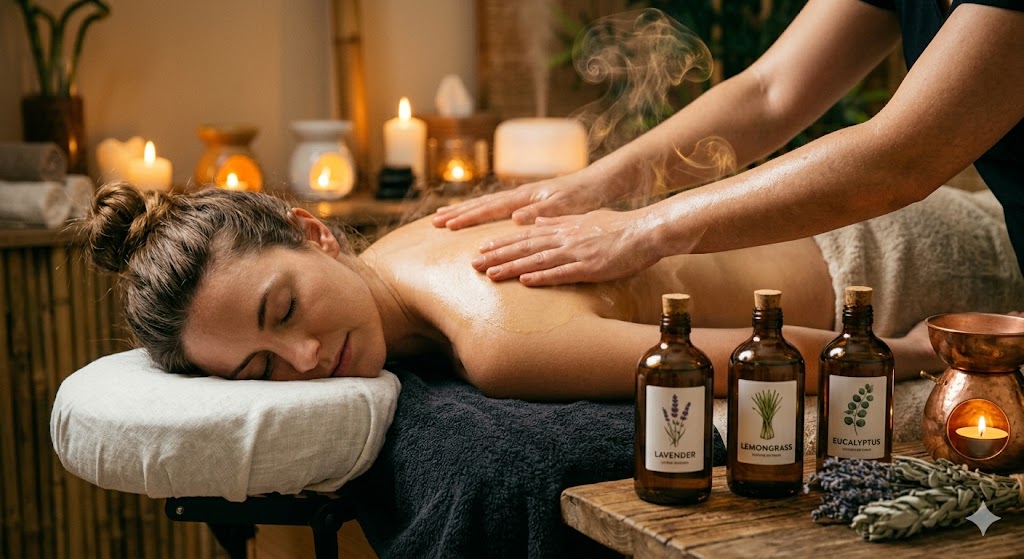
The Essential Oils: At C and R, we use premium blends tailored to your needs:
Lavender: For those struggling with jet lag or "travel brain."
Lemongrass: For an energy boost and to clear the mind.
Eucalyptus: To refresh the respiratory system after a day in the city.
The Key Benefits:
Mood Regulation: The olfactory system (your sense of smell) is directly linked to the limbic system in the brain, which controls emotions.
Stress Reduction: It lowers cortisol levels almost immediately.
Skin Hydration: The essential oils are diluted in carrier oils (like jojoba or sweet almond) that leave your skin glowing and soft.
Part 2: What is Hot Oil Massage? (The Deep Melting)
If Aromatherapy is a "sensory journey," then Hot Oil Massage is a "physical rescue."
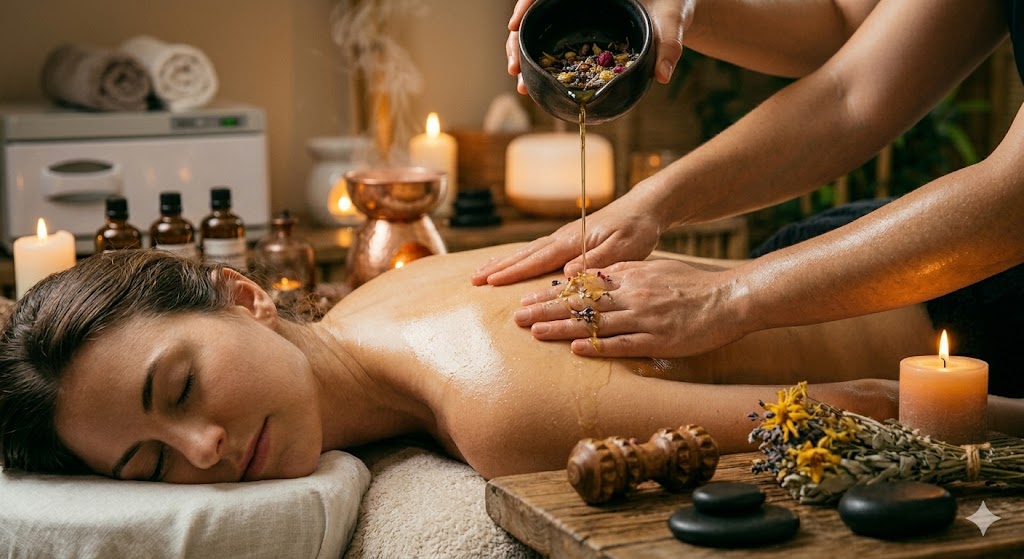
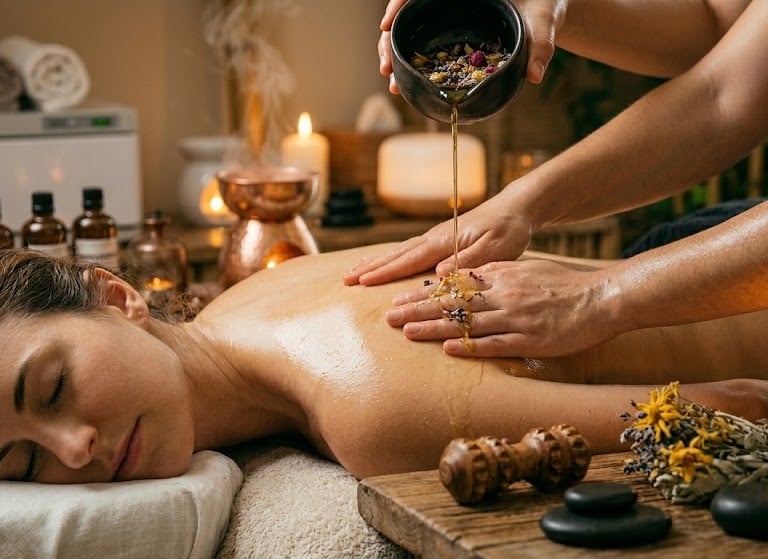
The Technique: In this treatment, the carrier oil is heated to a temperature that is significantly warmer than your body heat (but never uncomfortably hot). The therapist often uses more deliberate, firm pressure. Because the oil is warm, it acts as a "chemical-free" muscle relaxant.
The Science of Heat: When heat is applied to the skin, it causes vasodilation—your blood vessels open up. This increases oxygen and nutrient flow to your muscles, which is exactly what you need after a long flight or a day of walking the temple stairs.
The Key Benefits:
Muscle Elasticity: Heat makes the fascia (the connective tissue around your muscles) more pliable.
Pain Relief: It is incredible for chronic lower back pain and stiff shoulders.
Improved Circulation: It helps flush out lactic acid and metabolic waste from tired limbs.
Part 3: Aroma vs. Hot Oil – How They Compare
To help you decide which treatment is right for your body today, we can break down the differences into five key categories. While both are luxurious, they serve very different purposes.
The Primary Goal: Think of an Aromatherapy Massage as a "reset button" for your mind and mood. Its main objective is emotional balance and mental relaxation. In contrast, a Hot Oil Massage acts as a "physical rescue mission" for your muscles, focusing specifically on relieving deep-seated tension and bodily aches.
The Temperature of the Experience: In an Aromatherapy session, the oil is applied at a comfortable room temperature. This allows the natural scents to remain stable and fragrant. A Hot Oil session, however, uses oil heated to a pleasant 45–50°C. This thermal element is what allows the therapist to penetrate deeper into the muscle tissue without using aggressive force.
The Level of Pressure: If you prefer a gentle, flowing touch, Aromatherapy is for you. It generally ranges from Light to Medium pressure to encourage lymphatic drainage. If you have "knots" or chronic stiffness, Hot Oil is the better choice, as the heat allows the therapist to apply Medium to Firm pressure more effectively and comfortably.
The Sensory Focus: Aromatherapy is designed to delight your sense of smell (Olfactory). The healing happens as you inhale the botanical extracts. Hot Oil focuses on your sense of touch and heat (Thermal). The healing happens through the direct application of warmth to your circulatory system.
Who It’s Best For: We recommend Aromatherapy for travelers dealing with high stress, anxiety, or the foggy feeling of jet lag. We recommend Hot Oil for those who are physically exhausted, suffering from a stiff neck or back, or for those visiting Chiang Mai during the slightly cooler months when the body tends to hold more tension.
Part 4: Which One Should You Choose?
Choose Aromatherapy if:
You feel "wired but tired" and can't stop thinking about your itinerary.
You want to smell amazing and have a soft, gentle experience.
You are sensitive to heat or have very delicate skin.
Choose Hot Oil if:
Your back feels like a brick after a 12-hour flight.
You’ve been hiking or doing Muay Thai.
It’s a rainy or "cool season" day in Chiang Mai and you feel a bit chilled.
Part 5: The C and R Experience (Why Quality Matters)
Whether you choose Aroma or Hot Oil, the quality of the oil and the skill of the therapist are what determine the results.
At C and R Thai Massage, we don't use cheap, mineral-based oils that sit on top of the skin and feel greasy. We use natural, plant-based oils that absorb deeply. Our therapists are trained to recognize the difference between a body that needs to be "soothed" (Aroma) and a body that needs to be "melted" (Hot Oil).
Part 6: Preparing for Your Oil Session
To get the most out of your session:
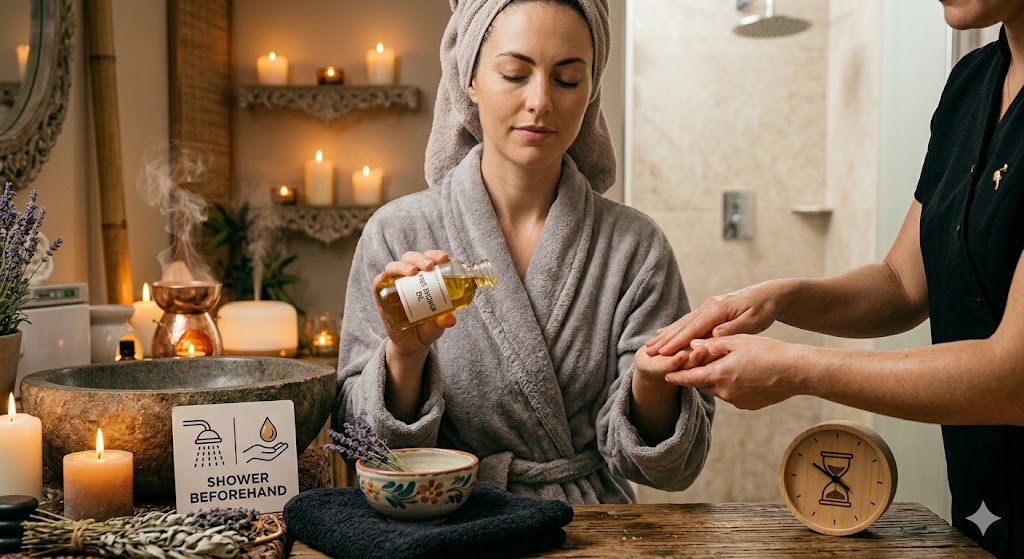
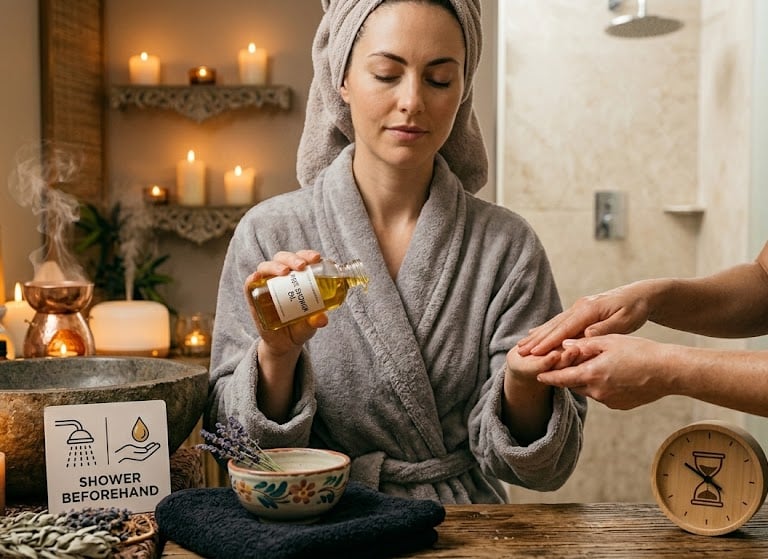
Shower beforehand: Clean skin absorbs the beneficial oils much better.
Communicate: Always tell your therapist if the oil is too hot or if you want more/less pressure.
Leave it on: Don't shower immediately after! Let those oils sit on your skin for at least an hour to maximize hydration.
Conclusion: Listen to Your Body
In the end, there is no "better" massage—only the massage your body needs right now.
If your mind is racing, go for the Aroma. If your muscles are screaming, go for the Hot Oil. Or, do what many of our regulars do: try one this week and the other next week!
Ready to melt away the stress? Visit C and R Thai Massage today and let us help you find your perfect balance.
Branch 1: Sunday Walking Street
(10 AM - 10PM)
Address: 145/8 Rajdamnern Road T. Prasingh
A. Mueng Chiang Mai 50200
Branch 2: Chiang Mai Gate
(10 AM - 10PM)
Address: 18/5 Rat Chiang Saen Road T. Hai Ya
A. Mueng Chiang Mai 50100
Phone Number:
+66 (0) 94 601 6207
+66 (0) 83 480 2627
Email: services.crgroup@gmail.com