




Best Day Treks in Chiang Mai: A Hiker's Guide & Recovery
Discover the 5 best day treks around Chiang Mai, from the Monk's Trail to Sticky Waterfalls. Includes difficulty ratings and the best post-hike massage tips.
CHIANG MAI OLD TOWN AND TRAVEL TIPS
12/17/20258 min read


A Hiker’s Guide: The 5 Best Day Treks and Nature Trails Around Chiang Mai
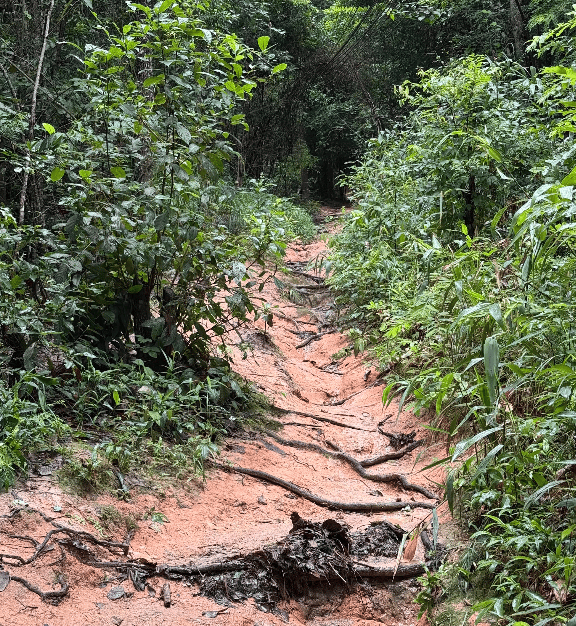
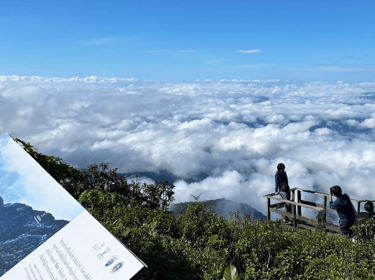
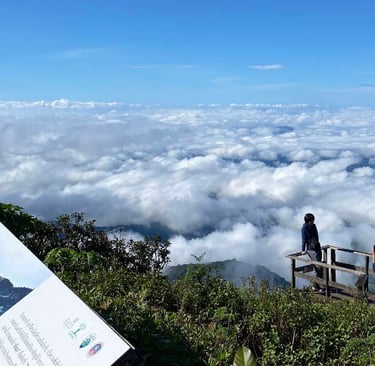
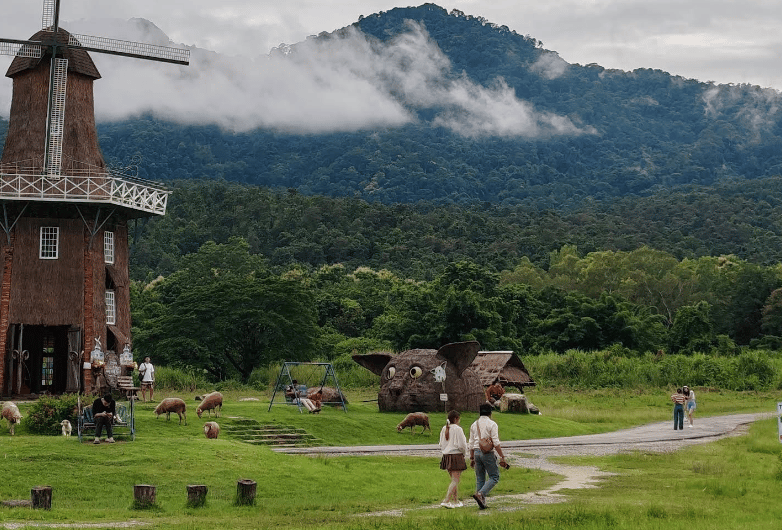
Chiang Mai is a city that breathes. In the morning, the mist rolls down from the mountains of Doi Suthep, cooling the streets of the Old City. By midday, the heat rises, and the energy of the markets takes over. But for those who look up toward the green peaks that embrace the city, there is a silent invitation.
While many visitors come for the ancient temples and the night bazaars, the true heart of Northern Thailand lies in its forests. Chiang Mai is a hiker’s paradise, offering everything from gentle nature walks to grueling jungle ascents that will test your endurance.
At C and R Thai Massage, we see the aftermath of these adventures every day. We see the mud on the hiking boots left at our door, the sunburned shoulders, and—most importantly—the stiff calves and tight hips of travelers who have conquered the mountains. We love hearing the stories of hidden waterfalls and hill tribe villages. But we also know that to keep exploring, you need to recover.
Whether you are a casual walker or a seasoned trekker, we have curated this guide to the 5 best day treks around Chiang Mai. We’ve looked beyond just the "views" to help you understand the physical demands of each trail, so you can choose the right adventure for your body.
1. The Spiritual Classic: The Monk’s Trail (Wat Pha Lat)
If you only have time for one hike in Chiang Mai, this is it. The Monk’s Trail (or Wat Pha Lat Hike) is the perfect introduction to the region's jungle.
The Vibe: This path was historically used by monks walking up the mountain to reach the sacred Wat Phra That Doi Suthep. It feels ancient. The trees are wrapped in orange monk’s robes, guiding your way like silent sentinels. The destination, Wat Pha Lat, is unlike any other temple in Chiang Mai. It is not gold and glittering; it is a jungle temple, half-swallowed by moss and vines, sitting next to a waterfall that overlooks the city.
The Hike:
Duration: 45 minutes (one way) to Wat Pha Lat.
Difficulty: Moderate. It is short but consistently uphill.
Terrain: Well-worn dirt path, tree roots, and some rocks.
The Physical Toll: Because it is a short, sharp ascent, your calves and Achilles tendons do the heavy lifting. The uneven ground means your ankles are constantly stabilizing. Many people choose to hike only halfway to Wat Pha Lat and take a red truck (Songthaew) back down, which saves the knees.
Pro Tip: Go at sunrise (around 6:30 AM). The light filtering through the bamboo is magical, and the temperature is cool.
2. The Cloud Walker: Kew Mae Pan Nature Trail
Located on Doi Inthanon, the highest mountain in Thailand, this trail offers views that will make you feel like you are standing on top of the world.
The Vibe: This is an alpine experience. You are hiking at 2,200 meters above sea level. The air is thin, crisp, and cold (often requiring a jacket even in summer). The vegetation here changes from tropical jungle to cloud forest, covered in thick moss and ferns, before opening up onto a grassy ridge with panoramic views.
The Hike:
Duration: 2 – 3 hours (Circular route).
Difficulty: Moderate. The altitude makes breathing harder, but the path is well-maintained with wooden boardwalks.
Note: You must hire a local Hmong guide at the entrance (usually 200 THB per group). This is mandatory and supports the local community.
Seasonal Closure: Closed June to October for forest regeneration.
The Physical Toll: The stairs. There are many wooden steps on this trail. Your quadriceps (front thighs) will burn on the way up, and your knees will feel the pressure on the descent. The thin air can also cause mild headaches or fatigue if you are not hydrated.
Pro Tip: Afterward, visit the twin King and Queen Pagodas nearby. The gardens there are spectacular.
3. The Jungle Loop: Huay Tung Tao Circular Trek
For those who want a raw, unpolished experience without driving hours away from the city, the trails behind Huay Tung Tao Lake are a hidden gem.
The Vibe: Huay Tung Tao is a reservoir at the base of Doi Suthep where locals go to eat sticky rice in bamboo huts. But behind the lake lies a network of serious trails. This is "real" jungle. It is dense, humid, and loud with the sound of cicadas. You won’t find wooden boardwalks here; you will find narrow dirt tracks and the occasional cobweb in your face.
The Hike:
Duration: 3 – 5 hours (depending on the loop).
Difficulty: Hard. This trek involves steep scrambling and can be slippery.
Terrain: Loose gravel, steep dirt inclines, and dense undergrowth.
The Physical Toll: This is a full-body workout. You will often need to use your hands to scramble up steep sections, engaging your shoulders and core. The steep downhill sections are brutal on the IT bands (outer thighs) and knees. Because it is lower elevation, it is hot, so dehydration and heat exhaustion are real risks.
Pro Tip: Download a hiking map app like AllTrails or Maps.me before you go. The trails are not well-marked, and it is easy to take a wrong turn.
4. The Village Hopper: Doi Pui to Doi Suthep
This trek takes you deep into the Doi Suthep-Pui National Park, connecting the famous golden temple with traditional Hill Tribe villages.
The Vibe: This hike offers a mix of culture and nature. You start high up in the mountains near the Hmong village of Doi Pui, passing through coffee plantations and lychee orchards. The trail feels like a secret garden, often shaded by massive trees. It’s quieter than the Monk’s Trail and offers a glimpse into the agricultural life of the mountain communities.
The Hike:
Duration: 2 – 4 hours.
Difficulty: Moderate.
Terrain: Forest paths and paved village roads.
The Physical Toll: This is a long endurance walk. While not as steep as Huay Tung Tao, the duration means your feet and lower back will start to ache by the end. Carrying a backpack for 4 hours can cause tension in the trapezius (upper shoulders) and neck.
Pro Tip: Treat yourself to a locally grown Arabica coffee in the Hmong village midway through the hike. It’s some of the freshest coffee you will ever taste.
5. The Spiderman Adventure: Bua Tong "Sticky" Waterfalls
Technically this is more of a climb than a trek, but it is an outdoor experience unique to Chiang Mai that cannot be missed.
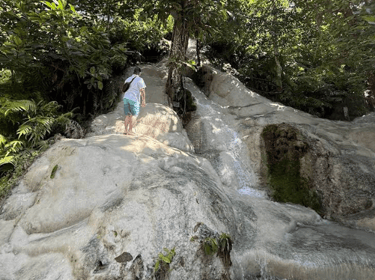
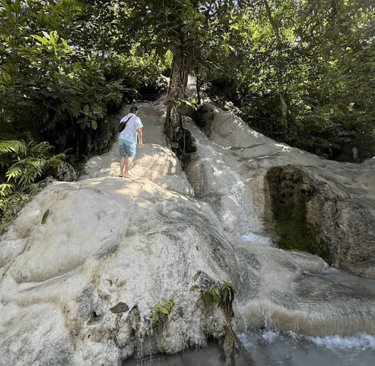
The Vibe: The Bua Tong Waterfalls are a geological wonder. The water flows over cream-colored limestone rocks that are incredibly grippy—literally "sticky" to the touch. This allows you to walk directly up the waterfall, against the flow of the water, like Spiderman. It is refreshing, fun, and totally surreal.
The Hike:
Duration: 1 – 2 hours of playing and climbing.
Difficulty: Easy/Moderate (requires balance).
Terrain: Wet limestone rocks and jungle stairs.
The Physical Toll: Do not underestimate the workout here. Climbing up a waterfall requires unusual muscle engagement. You are constantly gripping with your toes and stabilizing with your ankles. Your glutes work hard to push you up the vertical sections. Most people wake up the next day with sore inner thighs (adductors) from stabilizing on the slippery-looking rocks.
Pro Tip: Bring a change of clothes. You will get wet. Visit on a weekday to avoid the crowds.
The Aftermath: What Trekking Does to Your Body
You’ve conquered the peak. You’ve taken the selfie. You feel mentally rejuvenated. But as the adrenaline fades and you sit down for dinner, the "delayed onset muscle soreness" (DOMS) begins to creep in.
Hiking is a repetitive motion exercise. Whether you are climbing up or braking on the way down, you are using the same muscle groups thousands of times over a few hours.
The "Hiker’s Calf": Walking uphill forces your calves to work overtime. They contract with every step to push you off the ground. This leads to tightness in the gastrocnemius and soleus muscles, which can trigger plantar fasciitis (foot pain) if not released.
The "Downhill Knee": Going downhill is actually harder on your body than going up. Your quadriceps have to lengthen while contracting (eccentric contraction) to brake your momentum. This puts immense pressure on the patellar tendon (the knee cap).
The "Backpack Hunch": Even a light daypack can alter your posture. You tend to lean forward to counterbalance the weight, rounding your shoulders and tightening your chest. This leads to a stiff neck and headaches.
The C and R Solution: Recovery is Part of the Adventure
At C and R Thai Massage, we believe that recovery isn't just about pampering; it's about maintenance. If you want to hike again tomorrow, or simply walk around the Night Bazaar without limping, you need to flush out the lactic acid and reset your muscle length.
We have designed specific treatments that perfectly complement a day on the trails.
1. For the "Cloud Walker" (Leg Focused Recovery)
If you’ve done Kew Mae Pan or the Monk’s Trail, your legs are the priority.
Recommendation: Traditional Thai Massage (2 Hours)
Why: Thai massage is often called "lazy man’s yoga." We use assisted stretching techniques to open your hips and lengthen your hamstrings. We press along the "Sen" energy lines of the legs, which improves blood circulation and helps flush out metabolic waste. It is deep, rhythmic, and exactly what tight quads need.
2. For the "Jungle Scrambler" (Full Body Relief)
If you’ve done Huay Tung Tao or a heavy backpack trek, your whole body is likely fatigued.
Recommendation: Deep Tissue Oil Massage (90 Minutes)
Why: Deep tissue work focuses on the deeper layers of muscle and fascia. We use slow strokes and firm pressure to release the chronic tension in the lower back and shoulders. The oil helps to hydrate the skin after a day of sun and sweat, while the pressure helps to break up "knots" (adhesions) that form from overuse.
3. For the "Sticky Waterfall" Climber (Foot & Ankle Care)
Recommendation: Thai Foot Reflexology (1 Hour)
Why: Your feet have hundreds of nerve endings and small muscles that worked overtime gripping those rocks. Our foot reflexology starts with a soaking scrub to clean off the jungle mud, followed by specific pressure point therapy that releases tension not just in the feet, but up the entire leg.
Final Thoughts
Chiang Mai’s nature is a gift. It grounds us, challenges us, and reminds us of the beauty of the world. We encourage you to get out there. Get your shoes dirty. Sweat a little. Breathe in the mountain air.
And when you come back down, C and R Thai Massage will be here. We are your base camp for recovery. Let us take care of your body, so your body can take you on your next adventure.
See you on the trails!
Branch 1: Sunday Walking Street
(10 AM - 10PM)
Address: 145/8 Rajdamnern Road T. Prasingh
A. Mueng Chiang Mai 50200
Branch 2: Chiang Mai Gate
(10 AM - 10PM)
Address: 18/5 Rat Chiang Saen Road T. Hai Ya
A. Mueng Chiang Mai 50100
Phone Number:
+66 (0) 94 601 6207
+66 (0) 83 480 2627
Email: services.crgroup@gmail.com