



Escaping the City: A Weekend Guide to Tranquil Chiang Dao
Plan the perfect Chiang Dao weekend! A complete guide to caves, temples, pork leg rice, and transport. Plus, post-trip massage tips for hiking recovery.
CHIANG MAI OLD TOWN AND TRAVEL TIPS
2/11/20267 min read
Escaping the City: A Weekend Guide to Tranquil Chiang Dao
Chiang Mai is wonderful. It’s vibrant, cultural, and full of life. But sometimes, the motorbike fumes, the midday heat, and the busy markets can feel a little overwhelming. Sometimes, you just need silence. You need cool air. You need to see the stars.
Ideally, you don’t want to travel for hours to find it.
Enter Chiang Dao.
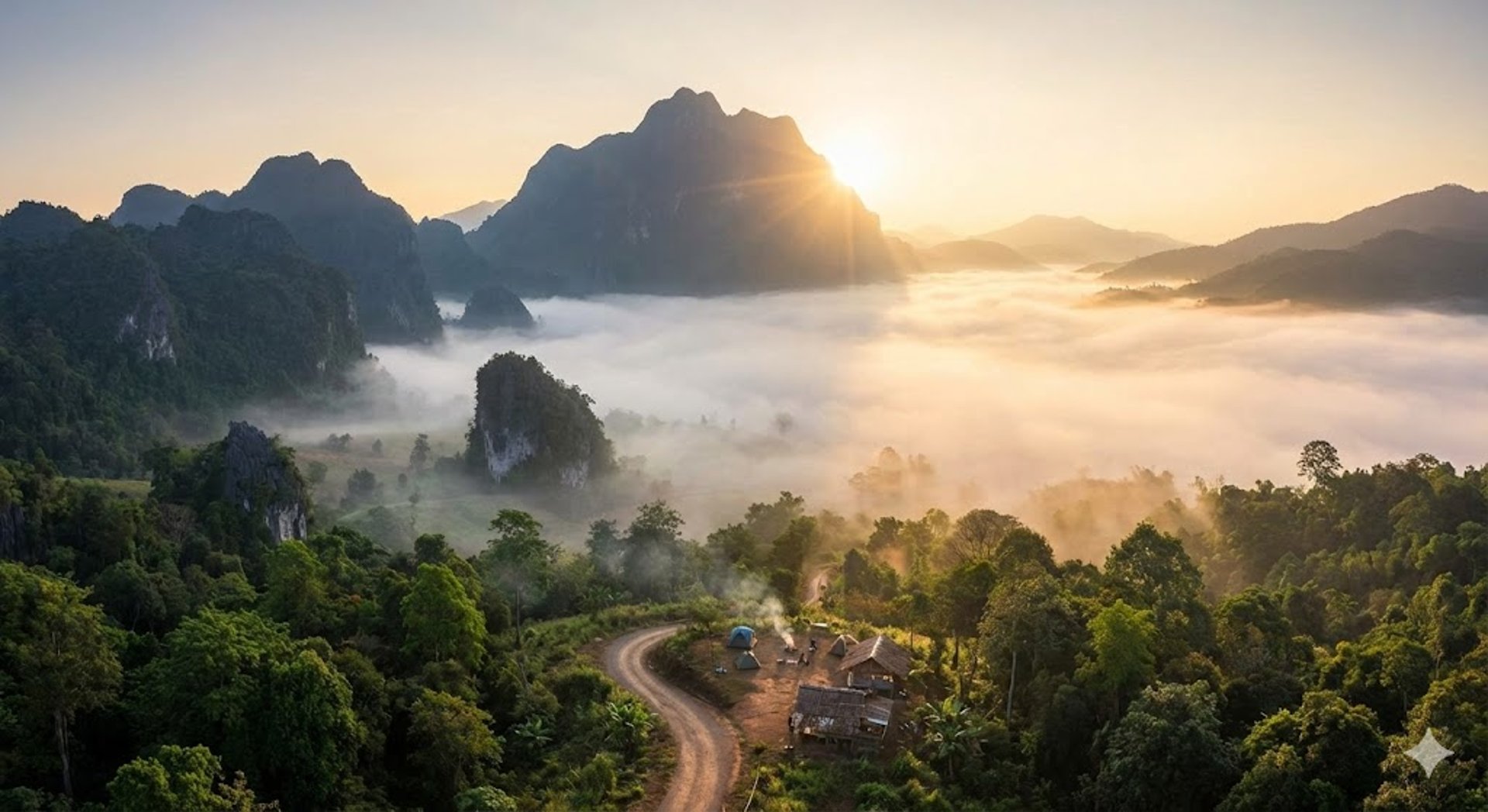
Located just 72 kilometers north of Chiang Mai, Chiang Dao (which literally translates to "City of Stars") feels like a different planet. The moment you drive into the valley, the landscape changes. The flat rice paddies rise up into massive, jagged limestone cliffs that look like they belong in Avatar. The air is noticeably cooler. The vibe is sleepy, artistic, and deeply grounded in nature.
At C and R Thai Massage, we believe that a change of scenery is as important for your wellness as a good massage. We often recommend Chiang Dao to our clients who are feeling "templed out" or burnt out from city life. It is the perfect place to reset your nervous system.
However, a weekend of climbing caves, hiking up temples, and riding motorbikes through the mountains comes with a physical price tag!
In this complete weekend guide, we will show you exactly how to get there, where to find the legendary "Pork Leg Rice," which caves are worth the entry fee, and how to recover your tired legs at C and R Thai Massage when you return.
Part 1: Getting There (The Journey North)
Chiang Dao is accessible enough for a weekend trip, but remote enough to feel like an adventure.
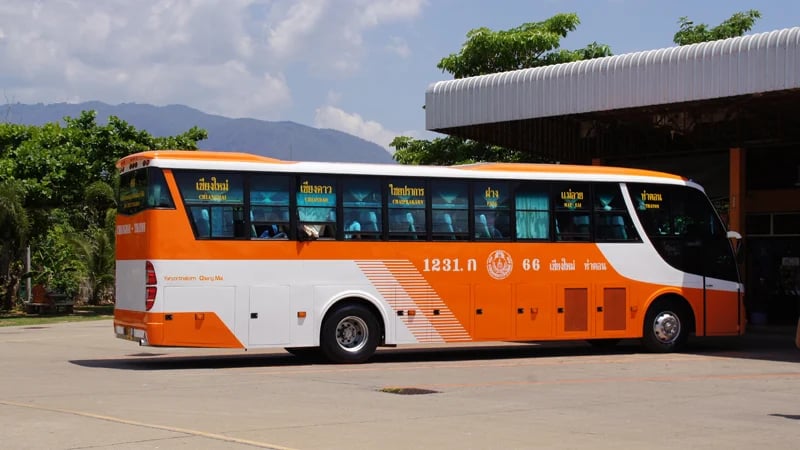
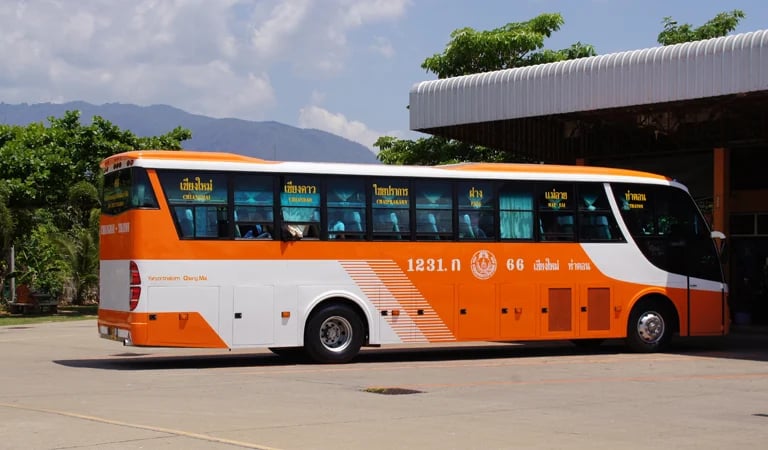
Option 1: The Local Bus (The Authentic Way) Head to the Chang Phuak Bus Station (Bus Terminal 1, just north of the Old City). Look for the orange fan bus.
Cost: incredibly cheap (around 40-50 THB).
The Experience: It’s slow, breezy, and stops frequently. You’ll be sitting next to grandmas carrying vegetables and students heading home. It takes about 1.5 to 2 hours.
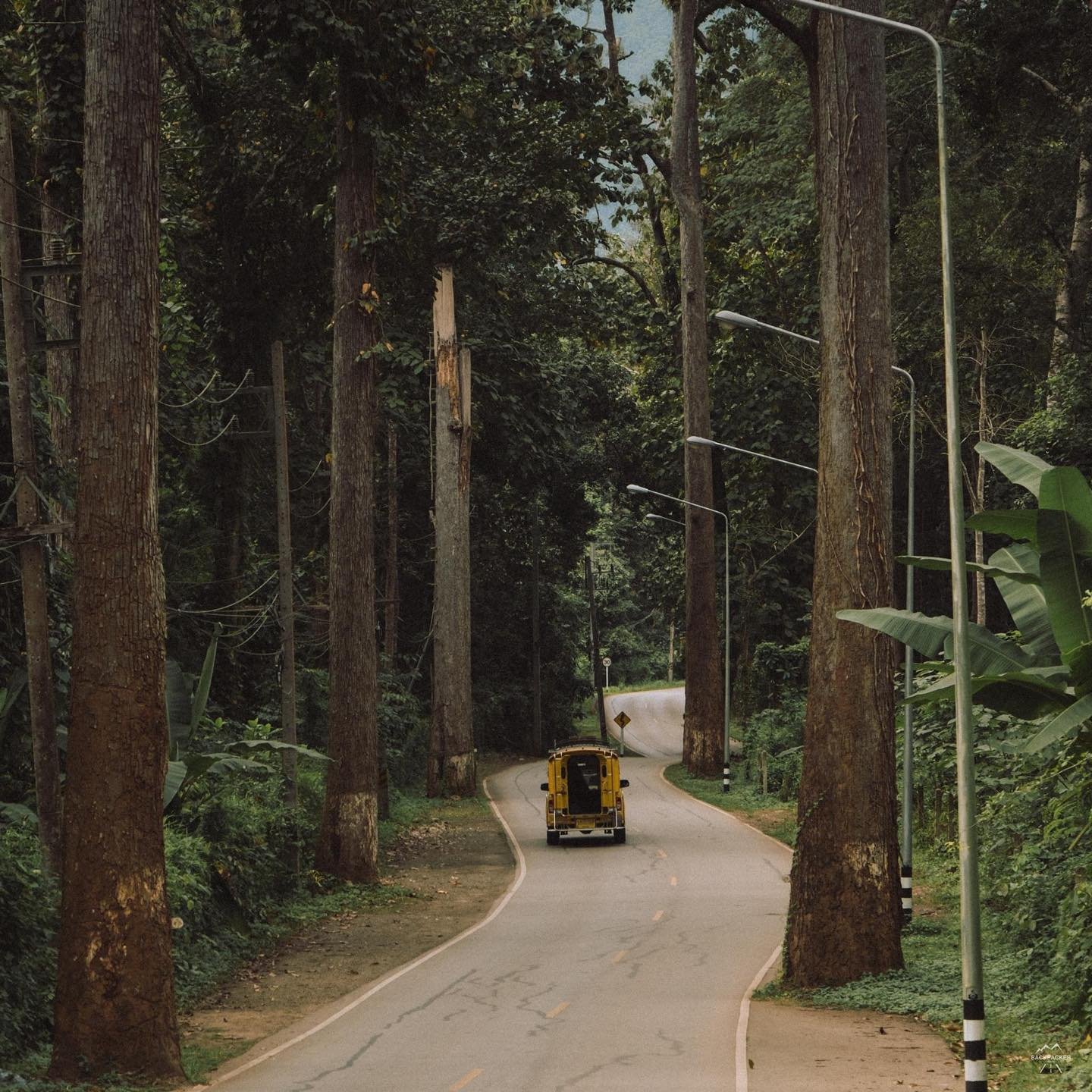
Note: The bus drops you in the town center. To get to the "Cave Area" (where most hotels are), you will need to hire a yellow songthaew taxi.
Option 2: The Motorbike (The Freedom Way) Riding to Chiang Dao is one of the best road trips in Northern Thailand.
The Route: Take Highway 107 straight north. The road is well-paved and relatively straight until you hit the mountain passes, where it becomes a scenic, winding dream.
The Caution: You need a 125cc bike or larger. There are police checkpoints on this road, so ensure you have your International Driving Permit and a helmet.
Part 2: Where to Stay – Huts vs. Hotels
Chiang Dao isn't about luxury high-rises; it's about bamboo and nature.
The Cave Area (Nest Area): This is the main hub for travelers. Resorts like Chiang Dao Nest offer lovely bungalows and—surprisingly—some of the best gourmet European food in Northern Thailand.
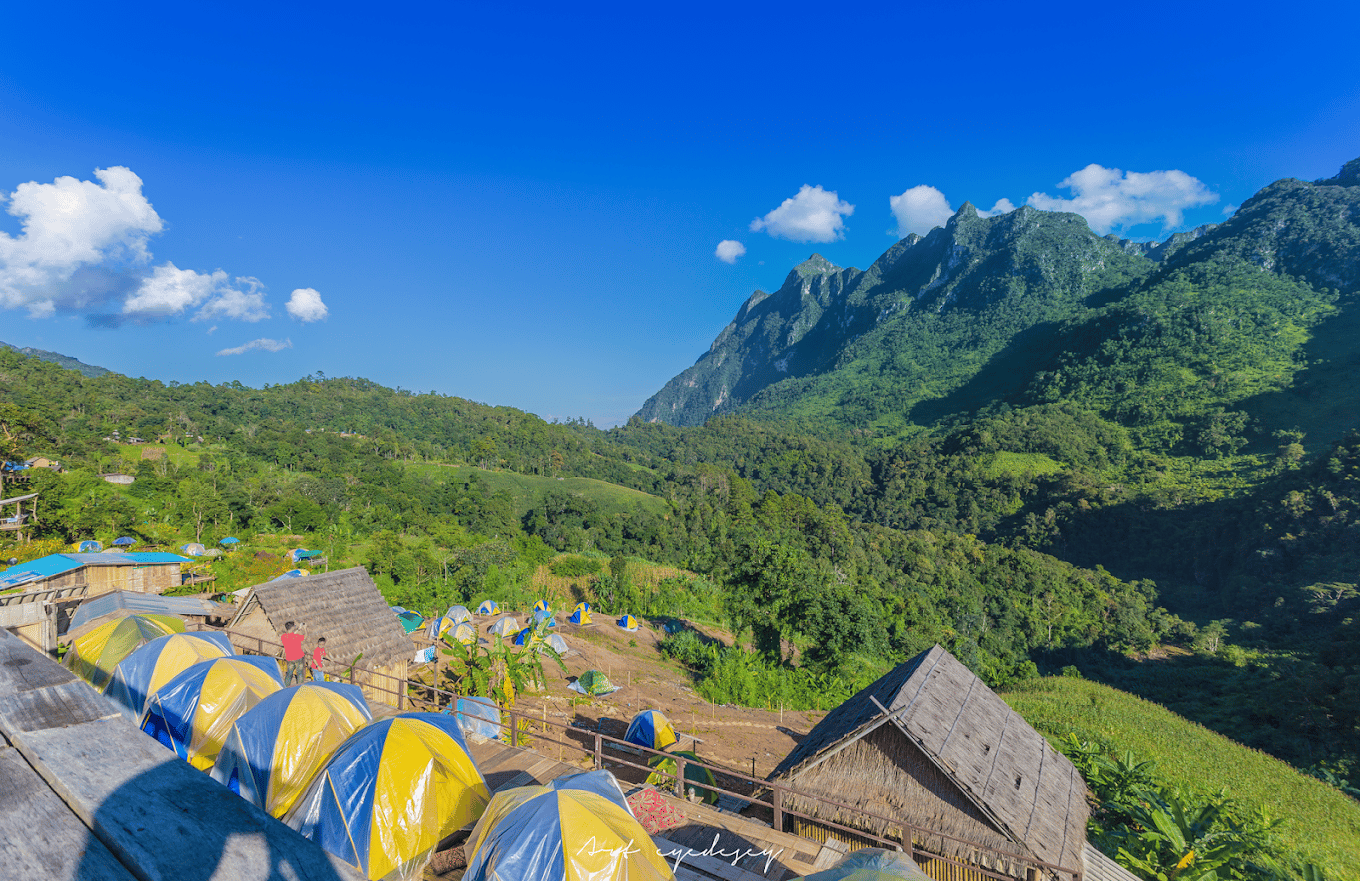
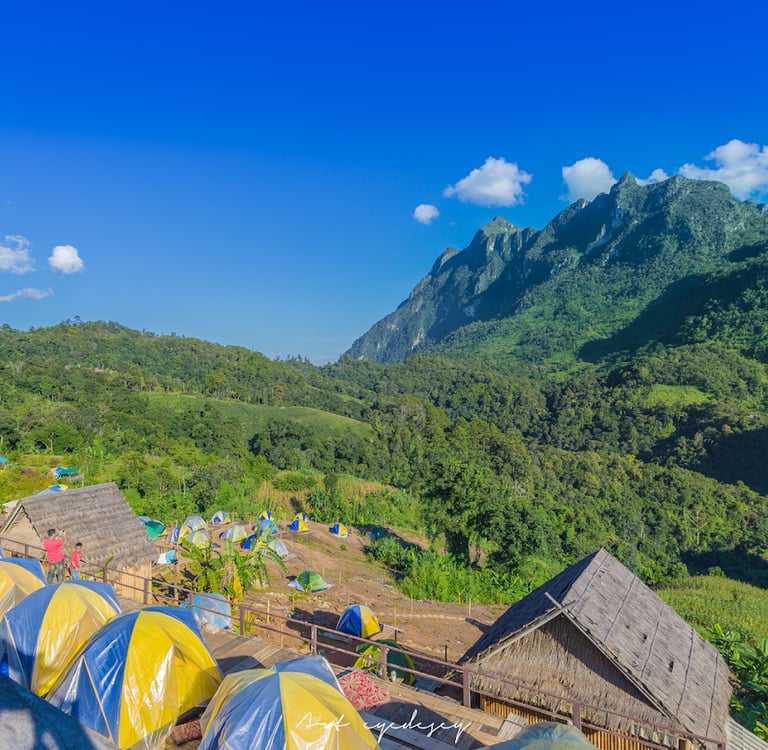
The Camping View (Ban Na Lao Wu): This is the famous "homestay" village perched high on the mountain slope. You sleep in simple bamboo huts with the giant Doi Luang mountain face right in front of your balcony. It’s basic (often no electricity at night), but the sunrise view is unbeatable.
Part 3: Top Things to Do (The Adventure)
You’re here for nature. Here are the unmissable stops for a 2-day itinerary.
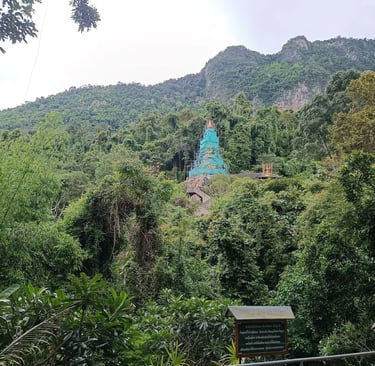
1. Wat Tham Pha Plong (The 510 Steps)
If you visit only one temple in Chiang Dao, make it this one.
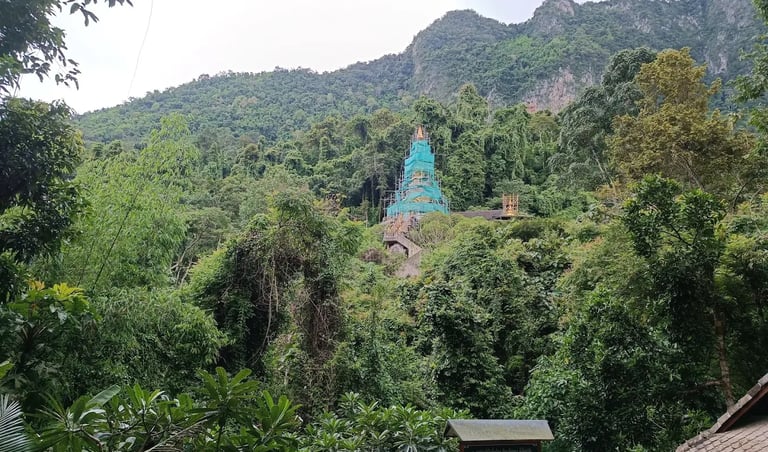
The Climb: You have to climb 510 steps to reach the top. But don't worry—the staircase is shaded by a dense jungle canopy. Along the way, you’ll see signs with Buddhist wisdom written in Thai and English to help you catch your breath and reflect.
The Reward: At the top lies a golden stupa built into a cave. It is quiet, serene, and offers a panoramic view of the treetops. It is a meditation retreat, so silence is golden here.
2. Chiang Dao Cave (The Underworld)
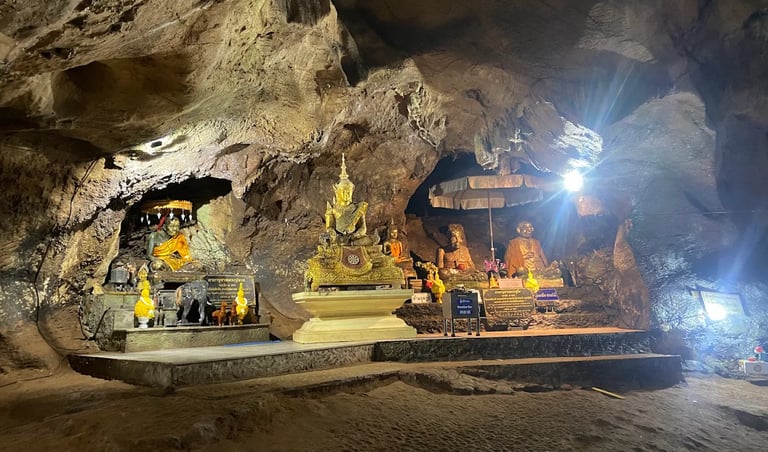
Located at the base of the mountain, this cave complex runs for over 12 kilometers (though you can only visit a small section).
The "Tourist" Route: For 40 THB, you can walk the lit path. It’s nice, with Buddha statues and shrines.
The "Adventure" Route: This is the real reason to go. For an extra 100-200 THB, you hire a local guide with a gas lantern. They lead you deep into the pitch-black caverns. You’ll be crawling on your knees through small holes and ducking under stalactites. It feels like real exploration.
3. The Hot Springs (Pong Arng vs. Yang Pu Toh)
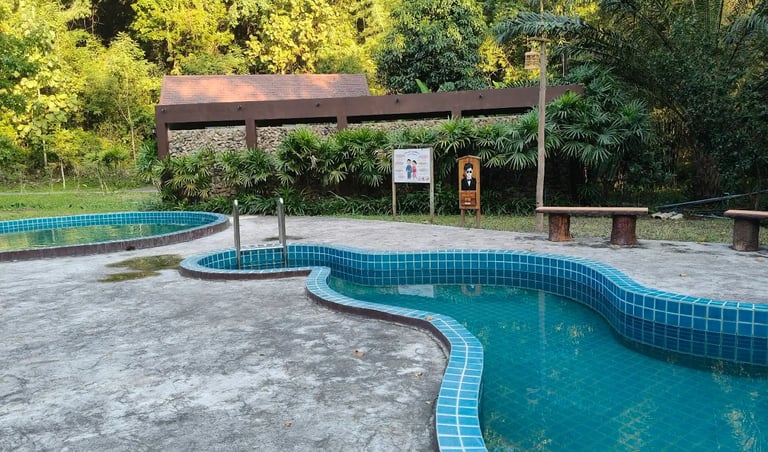
Pong Arng: Located inside the Pha Daeng National Park. It’s clean, well-maintained, and costs an entrance fee (100 THB for foreigners).
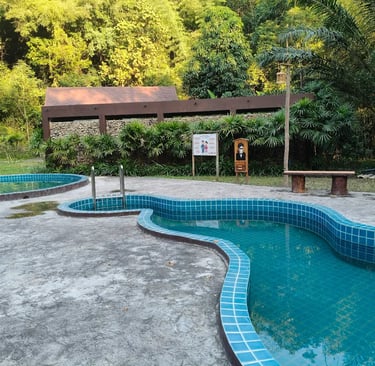
Yang Pu Toh (Local Hot Springs): These are free (donation based). It’s a series of concrete tubs fed by pipes right next to a stream. It’s rustic and filled with locals soaking after work. The water is sulfur-rich and incredibly hot—perfect for soothing muscles.
4. The Giant Tree Alley (Yang Na Trees)
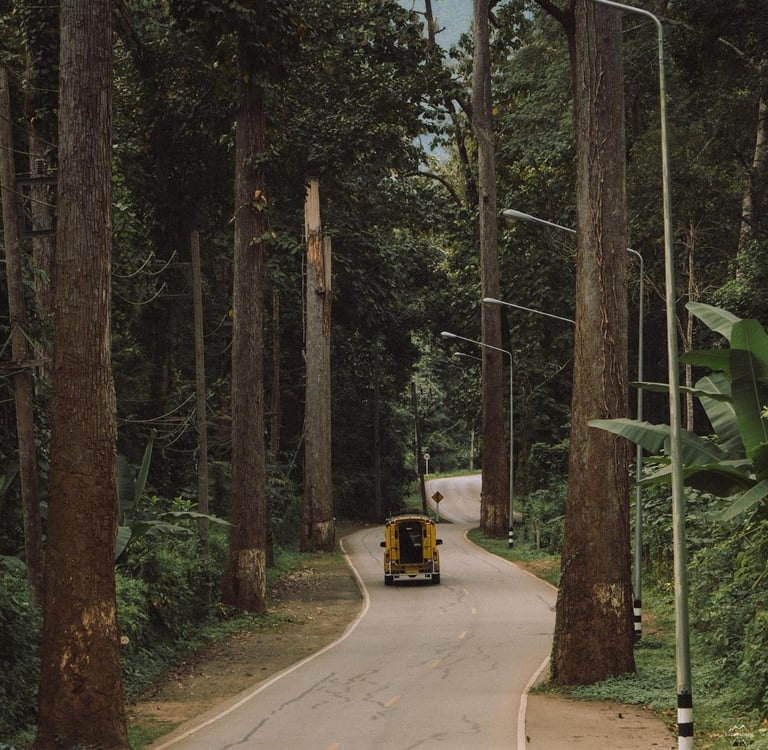
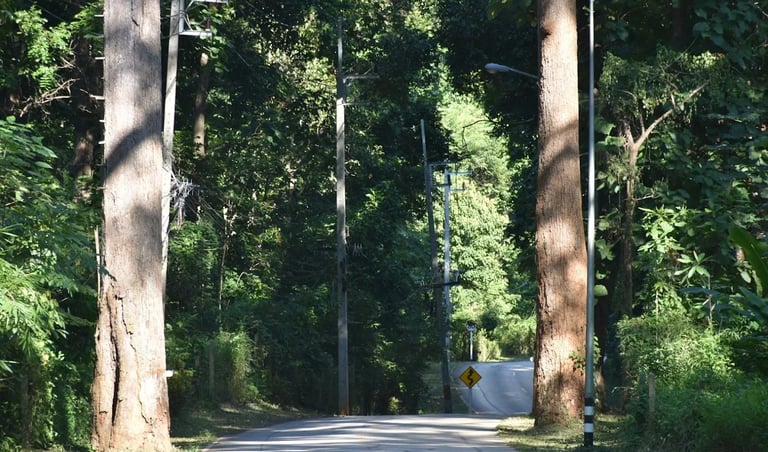
On Highway 107, just before the turn-off to the cave, is a stretch of road lined with massive, towering Yang Na trees wrapped in orange monk sashes. It is a majestic, cathedral-like tunnel of green that makes for an incredible photo.
Part 4: The Food Scene – The Legend of the Pork Leg
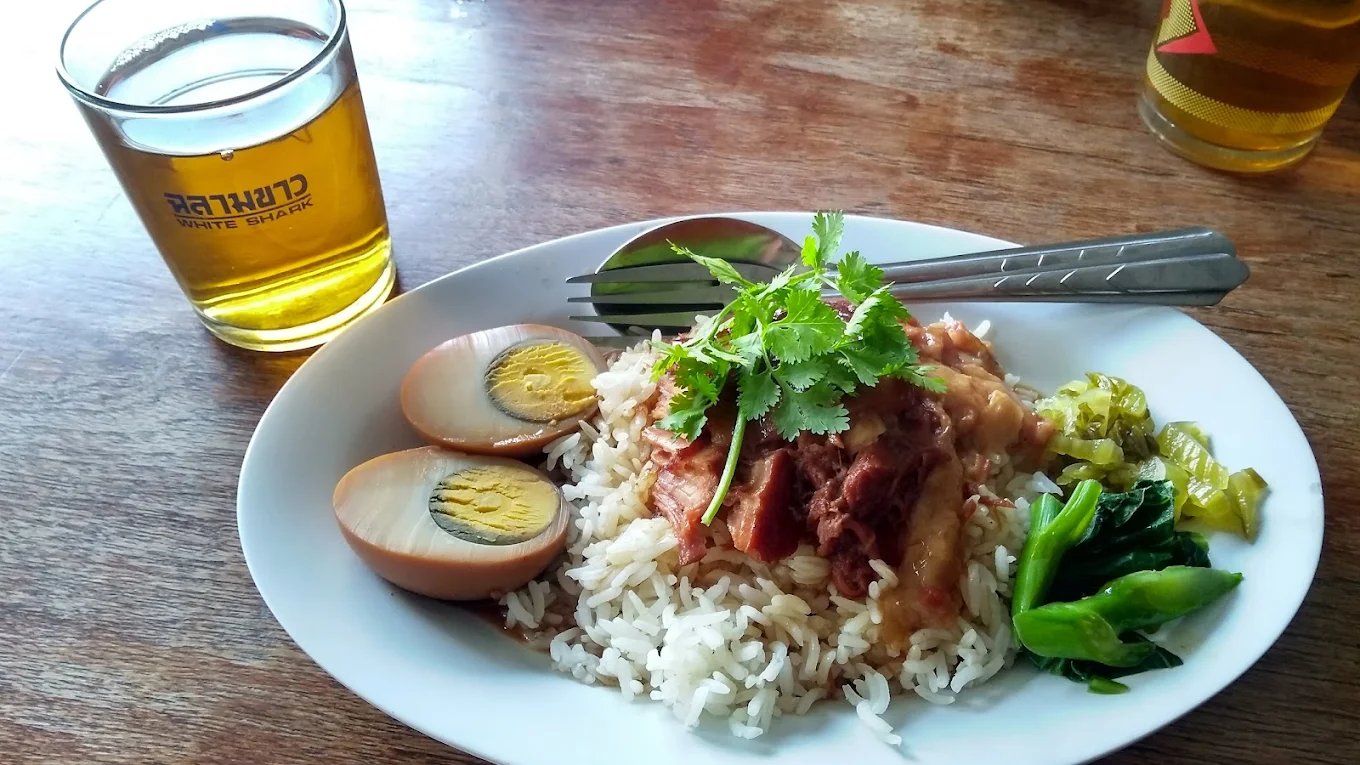
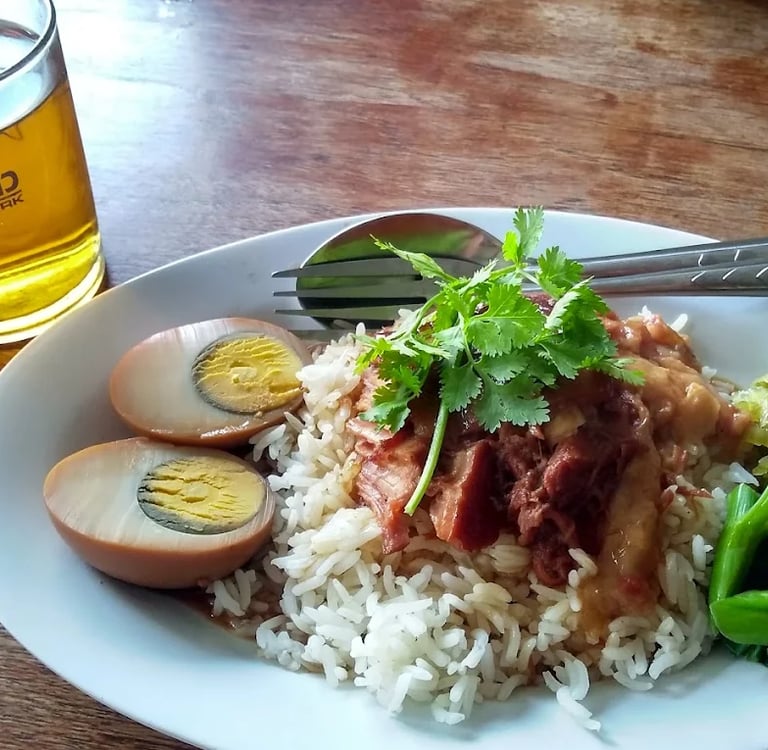
You cannot write a guide to Chiang Dao without mentioning Khao Kha Moo (Stewed Pork Leg on Rice).
The most famous spot is "Kha Moo Chiang Dao" (you’ll see the big stew pots right on the main street).
The Dish: The pork is stewed for hours in soy sauce, cinnamon, star anise, and sugar until it falls apart with a spoon. It’s served with pickled mustard greens, Chinese kale, and a spicy vinegar sauce to cut the fat.
The Advice: Go early (before 1:00 PM) or they will be sold out. It is arguably the best version of this dish in the province.
For dinner, head to Chiang Dao Nest 1 or 2. It might seem strange to eat Western food in the jungle, but their gourmet menu is legendary among expats. Alternatively, enjoy a local Mookata (Thai BBQ) at one of the roadside stalls—eating grilled pork under the stars is a vibe.
Part 5: The Physical Reality (The Weekend Hangover)
You’ve had a magical weekend. You feel mentally refreshed. But physically? That might be a different story.
Here is the "Chiang Dao Body Breakdown" we often see at C and R:
1. The "510 Steps" Calves Climbing Wat Tham Pha Plong is a serious workout. The eccentric contraction of walking down those 510 steps is what causes the most pain.
Symptom: DOMS (Delayed Onset Muscle Soreness) in the calves and quads 24 hours later. Walking down stairs becomes painful.
2. The "Cave Crawler" Knees If you did the lantern tour in the cave, you spent 20 minutes duck-walking and crawling on hard rock.
Symptom: Bruised knees and tight hip flexors from the crouched position.
3. The "Rider’s Back" The drive to Chiang Dao takes about 90 minutes each way. On a motorbike, the vibration and the wind resistance cause you to tense your shoulders and lower back.
Symptom: A stiff neck and a numb bum!
Part 6: The C and R Recovery Plan
When you roll back into Chiang Mai on Sunday evening, don’t just collapse into bed with your aches. "Pre-hab" your body so you can start your week fresh.
Stop by C and R Thai Massage (near Chiang Mai Gate) for the "Weekend Warrior" recovery:
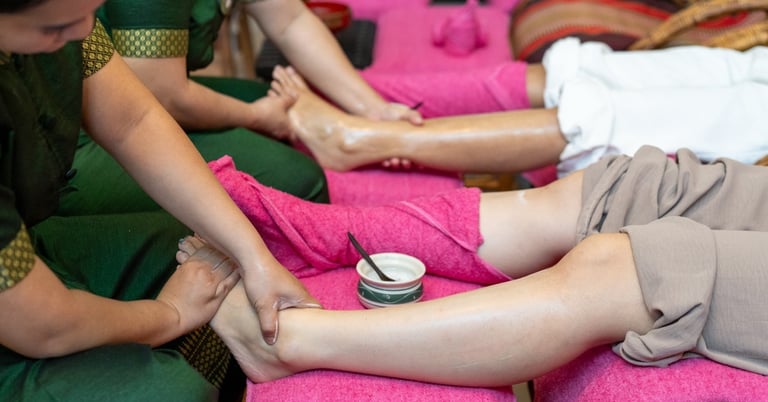
1. For the Temple Climber: Foot Reflexology (60 Minutes)
Why: We focus on the Gastrocnemius and Soleus muscles (the calf). By stimulating blood flow and flushing out the lactic acid, we can significantly reduce the soreness you’ll feel the next morning. A cooling herbal balm application helps reduce inflammation in the ankles.
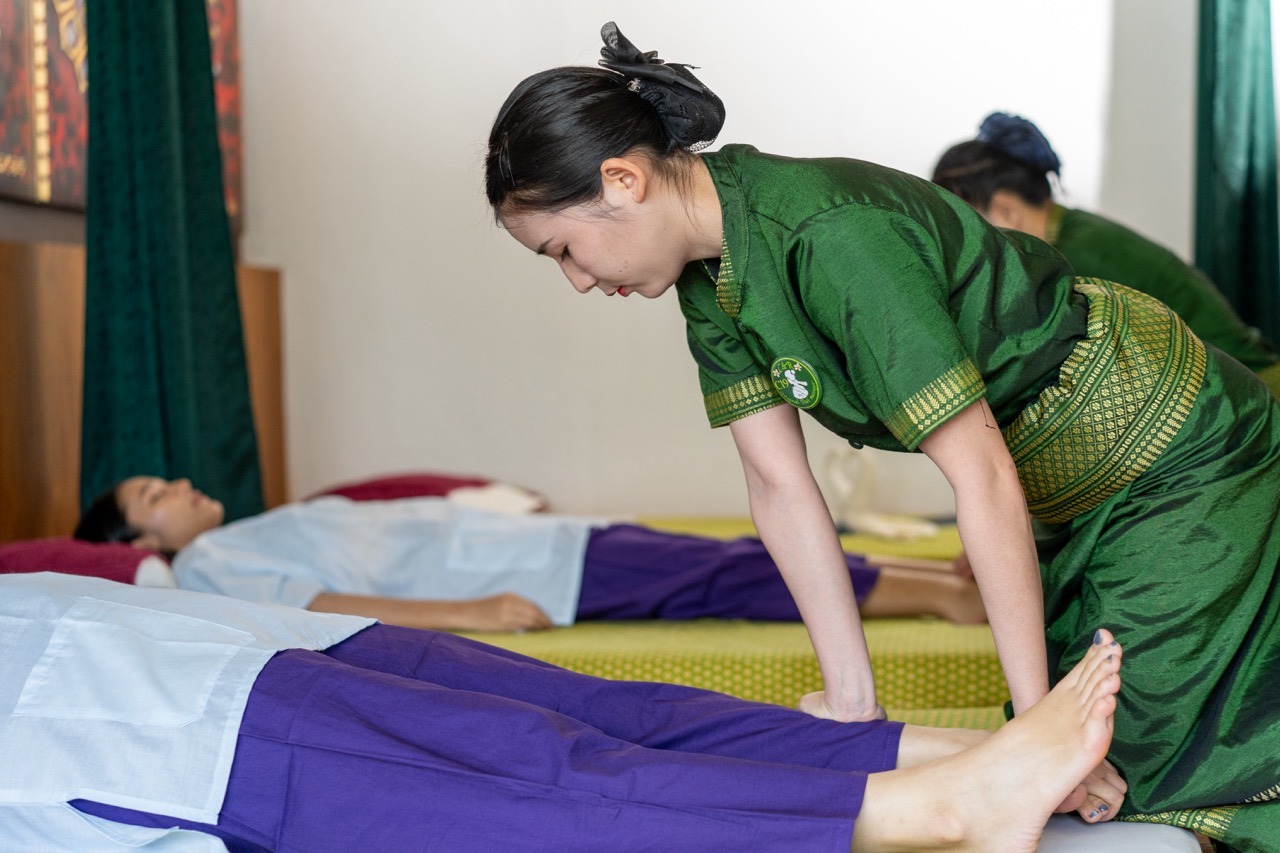
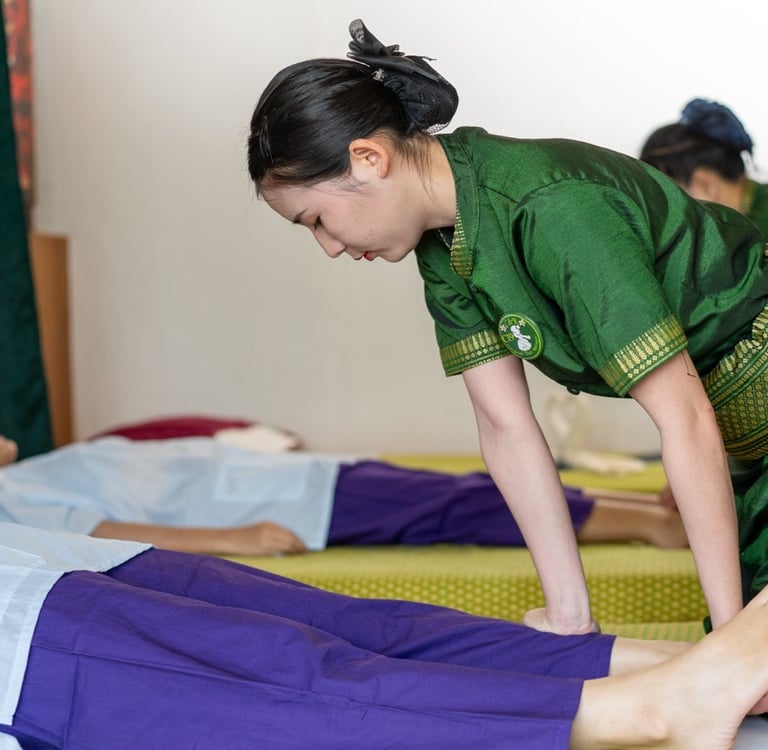
2. For the Motorbike Rider: Traditional Thai Massage (90 Minutes)
Why: Riding compresses the spine. Traditional Thai massage uses gentle traction and twisting to "un-compress" your vertebrae. We open the hips (which have been sitting on a bike seat for hours) and release the tightness between the shoulder blades.
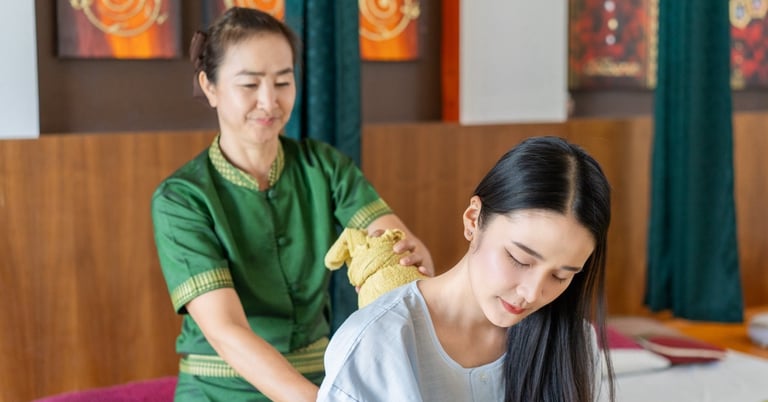
3. For the Cave Explorer: Herbal Compress Massage
Why: Caves are damp and cold ("Yin"). According to Thai medicine, this dampness can seep into the joints. The hot herbal compress (steamed herbs) drives heat ("Yang") back into the body, dispelling the cold and relaxing the stiff joints.
Conclusion: The Perfect Loop
Chiang Dao is the perfect escape because it offers perspective. Standing beneath the giant limestone cliffs makes your city worries feel very small.
We encourage you to go. Eat the pork leg. Climb the steps. Crawl through the cave. Get a little dusty and tired. That is what weekends are for.
And when you return to the city, remember that C and R Thai Massage is your sanctuary. We are here to put you back together, ensuring that your weekend adventure leaves you feeling stronger, not broken.
Branch 1: Sunday Walking Street
(10 AM - 10PM)
Address: 145/8 Rajdamnern Road T. Prasingh
A. Mueng Chiang Mai 50200
Phone Number:
+66 (0) 94 601 6207
+66 (0) 83 480 2627
Email: services.crgroup@gmail.com