



The Perfect Day Trip: Doi Suthep & Hmong Village – Your Essential Chiang Mai Guide
Plan your ultimate Chiang Mai day trip to Wat Phra That Doi Suthep & a vibrant Hmong village. Discover how to get there, what to wear, and essential etiquette for a memorable visit.
CHIANG MAI OLD TOWN AND TRAVEL TIPS
11/30/20257 min read
The Perfect Day Trip: Doi Suthep & A Hmong Village – Your Essential Chiang Mai Guide
Imagine this: The sun is just beginning to cast a golden glow over Chiang Mai. The city is waking up, but above it all, a sacred mountain stands silently, adorned with a golden jewel at its peak. This is Doi Suthep, and no visit to the "Rose of the North" is complete without making the pilgrimage to its summit.
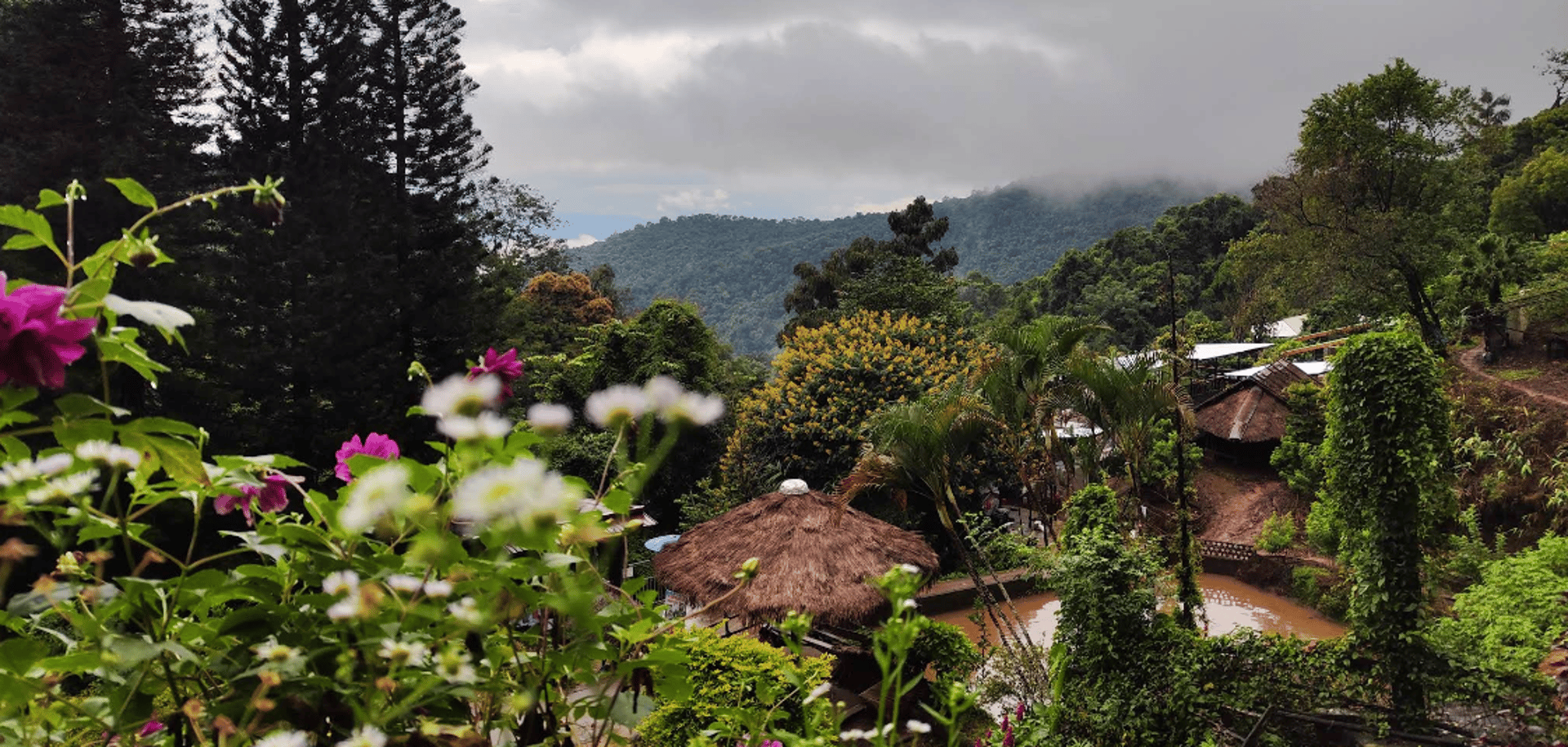
Doi Suthep is more than just a mountain; it's the spiritual heart of Chiang Mai. Home to the magnificent Wat Phra That Doi Suthep, it offers breathtaking panoramic views and a deep dive into Lanna Buddhist culture. But the adventure doesn't stop there. Just beyond the temple lies a vibrant Hmong village, a window into the rich tapestry of Thailand's ethnic minorities.
Welcome to the C and R Thai Massage Blog. We believe that true wellness encompasses not just physical relaxation, but also mental and spiritual enrichment. A day trip to Doi Suthep and the Hmong village is a journey that will soothe your soul, inspire your mind, and invigorate your spirit—even if your legs get a little tired from all the climbing!
This comprehensive guide will walk you through everything you need to know for the perfect, respectful, and unforgettable day trip. From how to get there, what to wear, what to expect, and how to embrace the cultural nuances, we’ve got you covered.
Part 1: Getting There – Your Journey Up the Mountain
Doi Suthep is easily accessible, but choosing your transport wisely can enhance your experience.
Options for Ascent:
Red Truck (Songthaew): The Local Way
Where to find it: The most common starting point is near the North Gate (Chang Puak Gate) or at the back of Wat Phra Singh (near Suthep Road). There's also a dedicated "Doi Suthep" songthaew station at the base of the mountain, just past Chiang Mai University.
How it works: Songthaews operate like shared taxis. You'll wait until the truck is full (usually 8-10 people) before it departs. You can negotiate a round-trip fare that includes waiting time at the temple and the Hmong village.
Cost: Expect around 50-80 THB per person one-way to the temple, and a bit more for the round trip including the village stop.
Pros: Authentic, affordable, and you'll share the experience with fellow travelers.
Cons: Waiting time, less flexible schedule.
Private Car/Taxi/Grab:
Pros: Comfort, convenience, and direct to your destination on your own schedule.
Cons: More expensive.
C & R Tip: If you're coming from our spa, we can help you arrange a private car or Grab for a comfortable ride!
Motorbike (Self-Drive): For the Adventurous
Pros: Complete freedom, scenic drive, exhilarating.
Cons: Winding mountain roads can be challenging, especially during rainy season or if you're not an experienced rider. Ensure your rental bike is well-maintained and you have appropriate insurance.
The Scenic Drive:
No matter how you get there, the drive up Doi Suthep is beautiful. The air cools, the city recedes, and the lush greenery of the national park unfolds around you. The road is winding, so if you're prone to motion sickness, sit in the front of a songthaew or take a ginger chew.


Part 2: Wat Phra That Doi Suthep – The Golden Jewel (Allow 1.5-2 hours)
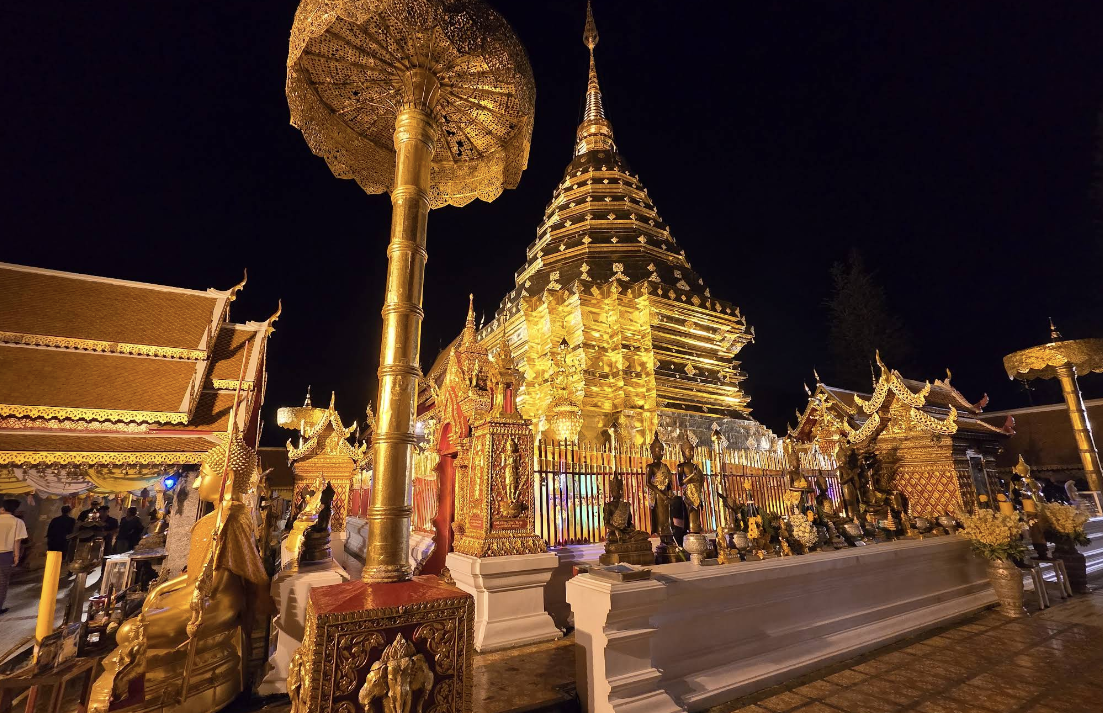
Your main destination on the mountain is the magnificent Wat Phra That Doi Suthep. This 14th-century temple is a place of immense beauty and spiritual significance.
Arrival & Ascent:
Once your transport drops you off, you'll be at the base of the temple.
The Naga Staircase: The most iconic feature is the stunning 306-step Naga staircase, guarded by mythical serpent-like creatures. This is the traditional path to ascend.
Wellness Connection: Treat this as a mindful climb. Notice your breath, the intricate details of the Naga, and the cool mountain air. It's a gentle form of exercise that prepares your mind for the sacred space above.
Cable Car: For those with mobility issues or just tired legs, a convenient cable car is available for a small fee (around 20 THB).
Temple Etiquette (A Quick Refresher):
Before entering the main temple grounds, remember the etiquette rules for visiting a Thai temple (which we've covered in detail in a previous blog post!).
Dress Code: Shoulders and knees covered for everyone. Sarongs are usually available for rent/borrow at the entrance if needed.
Shoes Off: Remove your shoes before entering any Viharn (main prayer hall).
Respectful Behavior: Speak softly, walk mindfully, and avoid pointing feet at Buddha images.
Exploring the Temple Grounds:
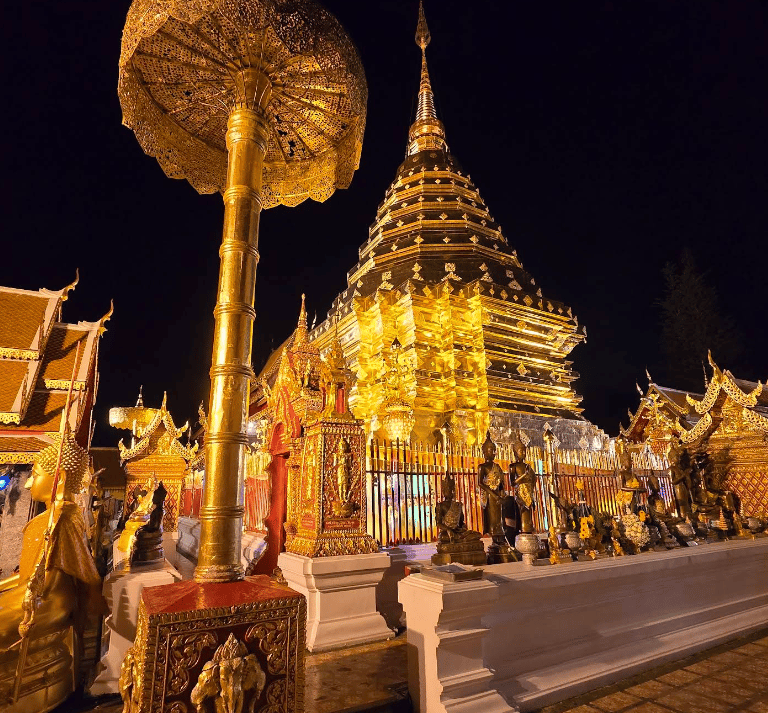
The Golden Chedi: At the heart of the temple complex is the breathtaking golden chedi, shimmering under the sun. It enshrines a relic of the Buddha and is the focal point of worship. Walk clockwise around the chedi, taking in its intricate details.
Viewpoints: Head to the various viewpoints for truly spectacular panoramic views of Chiang Mai city stretching out below. On a clear day, you can see all the way to the horizon.
Murals and Statues: Explore the surrounding halls and courtyards, adorned with beautiful murals depicting Buddhist stories, intricate statues, and smaller shrines.
Making Merit (Tam Boon): You can purchase lotus flowers, incense, and candles to offer at the shrines. This is a beautiful way to participate respectfully in the local culture.


Part 3: Bhuping Palace & Hmong Village (Allow 1-1.5 hours)
Just a few kilometers further up the mountain past Wat Phra That Doi Suthep lies the Royal Winter Palace (Bhuping Palace) and a charming Hmong village.
Bhuping Palace (Phu Phing Ratchaniwet):
History: This is the Royal Family's winter residence in Chiang Mai, built in 1961. The palace grounds are renowned for their beautiful temperate flower gardens.
Visiting: The palace is usually open to the public when the Royal Family is not in residence (check current schedules). Even if you can't enter the buildings, the gardens themselves are a delight.
Dress Code: Stricter than the temple. Long pants/skirts for all, and shoulders fully covered. No shorts or sleeveless tops.
The Hmong Village (Baan Doi Pui Hmong Village):
Beyond the Palace: A short drive (or walk) from the palace entrance will take you to this vibrant hill tribe village.
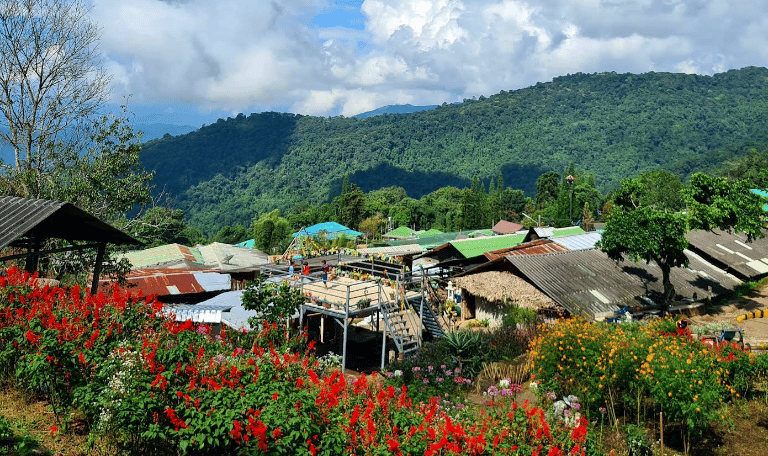
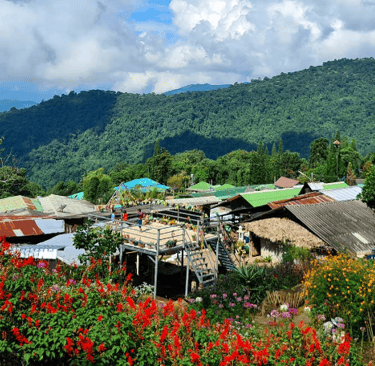
The Vibe: This is a lively, working village that has adapted to tourism. You'll find a bustling market filled with handicrafts, traditional clothing, silver jewelry, and local produce.
What to See & Do:
Shop for Souvenirs: Support local artisans by purchasing unique Hmong crafts. Bargaining is expected, but always be respectful.
Try Local Snacks: Sample fresh strawberries (in season), local coffee, or traditional Hmong dishes.
Learn About Hmong Culture: While the village is commercialized, you can still observe traditional Hmong dress and catch glimpses of their daily life. Some villagers offer photo opportunities in traditional attire (for a small fee).
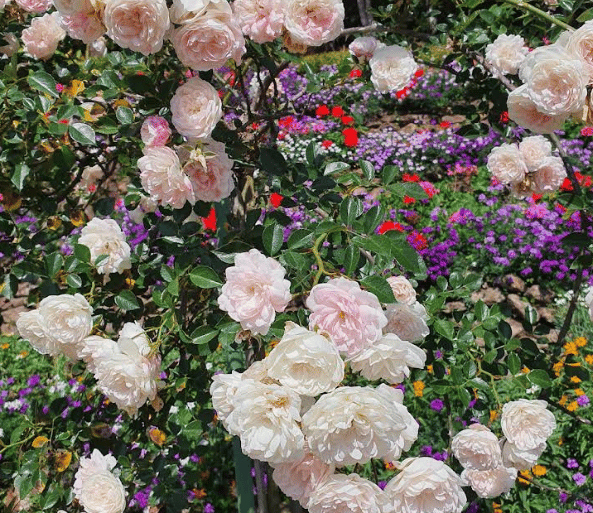
The Flower Garden: There's usually a beautiful flower garden area, often with a waterfall, perfect for photos.
[**Expansion Point 3:** Share your personal favorite Hmong craft or food item. Talk about the atmosphere of the market—the sounds, the colors, the interactions. You could also add a short, respectful paragraph about the history of the Hmong people in Thailand. ]
Part 4: Practical Tips for Your Day Trip
To ensure your day runs smoothly, keep these tips in mind:
Best Time to Go: Early morning (7:00 AM - 9:00 AM) is ideal. You'll beat the crowds, enjoy cooler temperatures, and have the best chance for clear panoramic views.
Hydration: Carry plenty of water. There are vendors at the temple, but it's good to have your own.
Sun Protection: Even on a cloudy day, the mountain sun can be strong. Hat, sunglasses, and reef-safe sunscreen are recommended.
Comfortable Shoes: You'll be doing a lot of walking and climbing.
Small Bills: Useful for offerings, small purchases, and songthaew fares.
Respectful Interaction: When visiting the Hmong village, remember you are entering someone's home and community. Always ask permission before taking close-up photos of people.
Local Guides: Consider hiring a local guide (often found at the temple base) for a deeper understanding of the history and culture.
Conclusion: A Journey for Body, Mind, and Soul
A day trip to Doi Suthep and the Hmong village isn't just a tick off your Chiang Mai checklist; it's an experience that offers rich cultural immersion, stunning natural beauty, and a chance for quiet reflection.
You'll come down the mountain with a camera full of beautiful photos, a heart full of peaceful memories, and perhaps a unique Hmong souvenir in your hand. But let's be honest, after all that walking, climbing, and absorbing, your legs and back might be sending you a subtle (or not-so-subtle) message.
That's where C and R Thai Massage comes in.
After a day of exploring, there's no better way to complete your holistic wellness journey than with a traditional Thai massage, an aromatherapy oil massage, or even our unique Tok Sen therapy. Let us soothe those tired muscles, release any tension from your journey, and help you fully integrate the peace and inspiration you found on the mountain.
What are you most excited to see on Doi Suthep? Share your thoughts in the comments below, or tell us when you book your post-Doi Suthep massage!
Branch 1: Sunday Walking Street
(10 AM - 10PM)
Address: 145/8 Rajdamnern Road T. Prasingh
A. Mueng Chiang Mai 50200
Branch 2: Chiang Mai Gate
(10 AM - 10PM)
Address: 18/5 Rat Chiang Saen Road T. Hai Ya
A. Mueng Chiang Mai 50100
Phone Number:
+66 (0) 94 601 6207
+66 (0) 83 480 2627
Email: services.crgroup@gmail.com