



A Shopper's Guide: Best Chiang Mai Handicrafts, Textiles & Silver Markets
Looking for authentic Chiang Mai handicrafts? Our 2025 guide reveals the best local spots for Thai silk, silver at Wualai, wood carving at Baan Tawai, and textiles at Warorot Market.
CHIANG MAI OLD TOWN AND TRAVEL TIPS
12/2/20256 min read
A Shopper's Guide: Where to Find the Best Local Handicrafts, Textiles, and Silver in Chiang Mai
Chiang Mai is a city of artisans. Long before it was a digital nomad hub or a tourist destination, it was the capital of the Lanna Kingdom—a trading route where silversmiths, woodcarvers, and weavers gathered to create masterpieces for royalty and temples.
Today, that creative spirit is still alive in the rhythmic tap-tap-tap of the silversmith’s hammer on Wualai Road and the gentle clack of the loom in Sankampaeng.
For visitors, however, shopping here can be confusing. You walk into the Night Bazaar and see rows of elephant pants and plastic sunglasses. Is this it? Is this the famous Lanna craftsmanship?
The answer is: No. You just have to know where to look.
Welcome to the C and R Thai Massage Blog. We believe that wellness isn’t just about relaxing your body; it’s about enriching your soul with culture. Supporting local artisans is one of the best ways to connect with Chiang Mai. Plus, taking home a piece of hand-woven silk or a hand-carved teak bowl carries a much better energy than a mass-produced magnet.
In this guide, we are going to take you beyond the souvenir stalls. We will show you exactly where to go to find the highest quality textiles, the most authentic silver, and the most unique handicrafts in Northern Thailand.
Part 1: Textiles & Fabrics (Cotton, Silk, and Indigo)
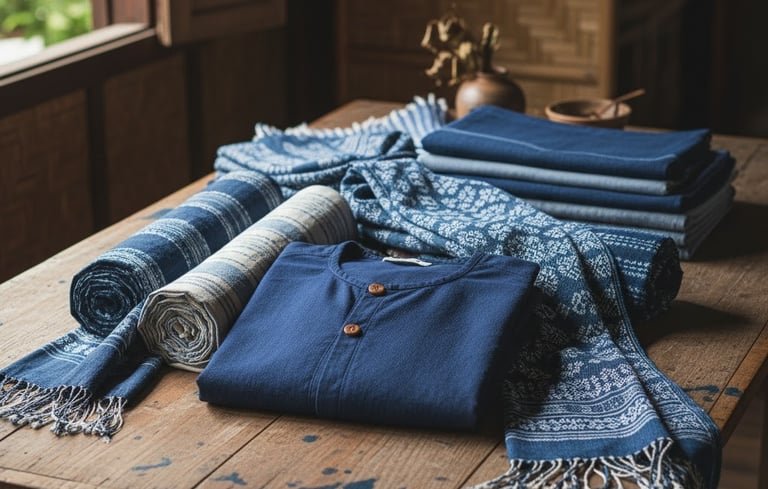
If there is one thing you should buy in Chiang Mai, it is fabric. Northern Thailand is famous for its cotton, particularly the indigo-dyed "Mo Hom" style.
1. Warorot Market (Kad Luang)
The Vibe: Authentic, chaotic, and wholesale.
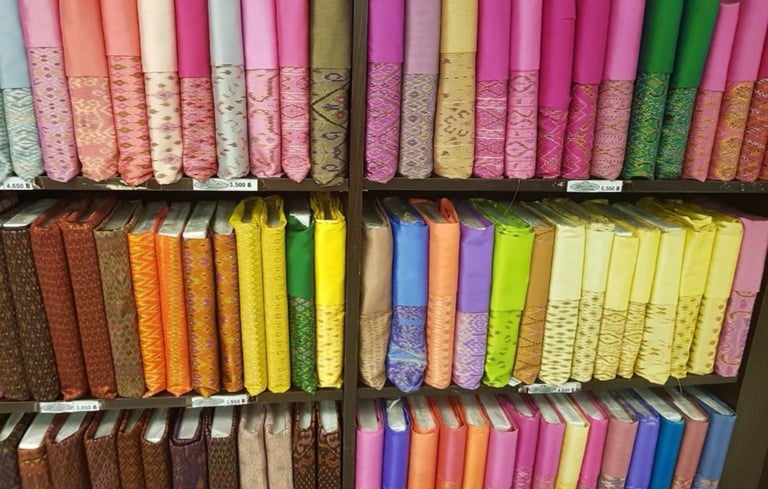
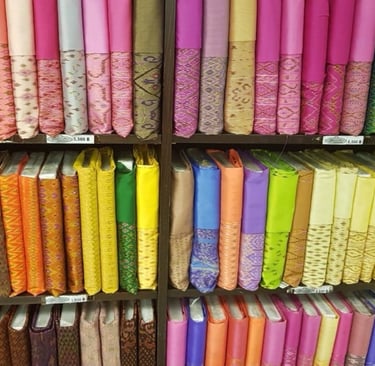
What to Buy: This is where the locals shop. Head specifically to the Troh Lao Zhou alley (the Chinese market area) or the fabric buildings next to the main market. You will find endless rolls of authentic hill tribe fabrics, heavy cottons, and ready-made traditional Northern clothing.
Why go here: The prices are "Thai prices." You can buy a traditional indigo farmer’s shirt here for 150-200 Baht, whereas boutiques in Nimman might charge 600 Baht for the same item. It’s also the best place to buy fabric by the yard if you sew.
2. Sankampaeng Road (The "Handicraft Highway")
The Vibe: Educational and high-end.
What to Buy: Thai Silk.
The Details: Drive about 20 minutes east of the city, and you will hit a stretch of road lined with silk factories. Places like Shinawatra Thai Silk (the oldest in the region) allow you to tour the facility. You can watch the silkworms munching on mulberry leaves, see the boiling of the cocoons, and watch the weavers at the loom.
Why go here: It’s an experience. You aren't just buying a scarf; you are seeing the weeks of labor that went into making it. The quality here is export-grade.
Part 2: Silverware & Jewelry
Chiang Mai silver is distinct. It is known for having a very high purity (often 95% to 99%, higher than the standard "Sterling" 92.5%) and for its intricate repoussé work (hammering designs from the back).
3. Wualai Walking Street (Saturday Night Market)
The Location: Wualai Road, just south of the Chiang Mai Gate.
The History: This area was the designated "Silversmith Village" of the old Lanna capital. To this day, families here have been hammering silver for generations.
What to Buy: Hand-hammered silver bangles, intricate bowls, and hill tribe inspired jewelry.
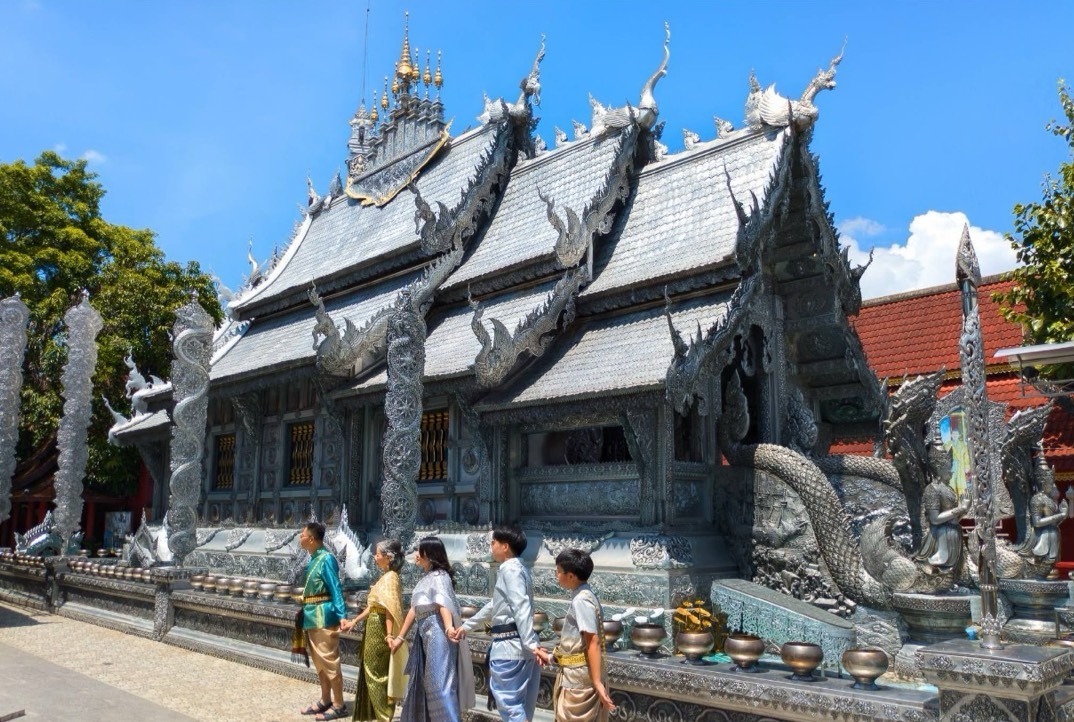
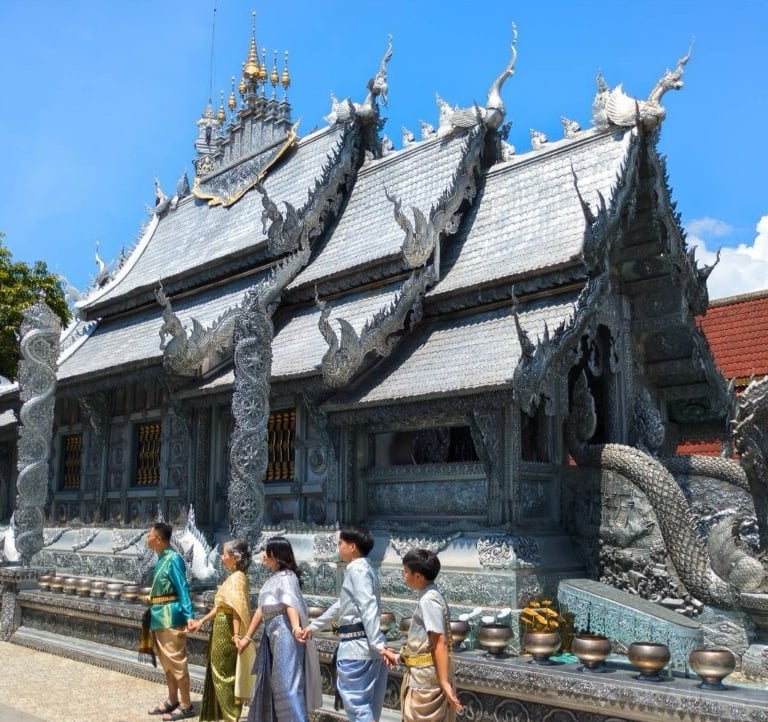
Pro Tip: While the Saturday Walking Street is great for shopping, come back during the day to visit Wat Sri Suphan (The Silver Temple). It is the world’s first silver sanctuary, covered entirely in aluminum and silver plates. You can even sit and watch the monks and artisans tapping out new designs in the workshop next door.
Part 3: Wood Carving & Home Decor
If you want to furnish your home or find a statement piece, you need to leave the city center.4. Baan Tawai (The Village of Handicrafts)
4. Baan Tawai (The Village of Handicrafts)
The Location: Hang Dong district (about 30-40 minutes south of the city).
The Vibe: A massive open-air showroom village.
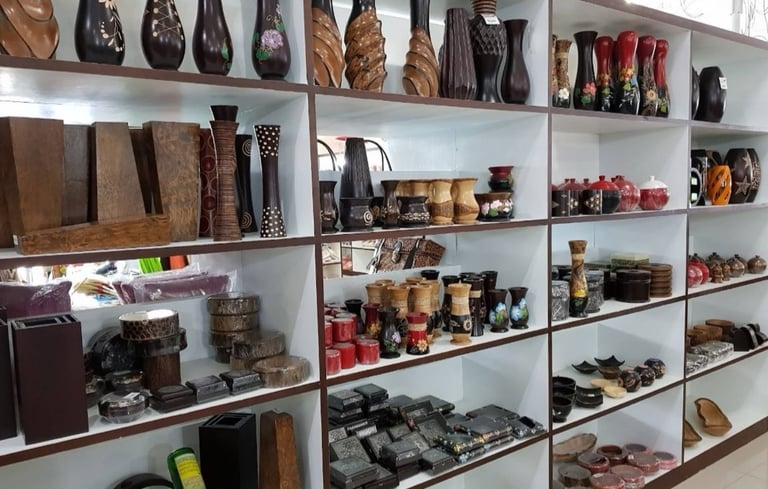
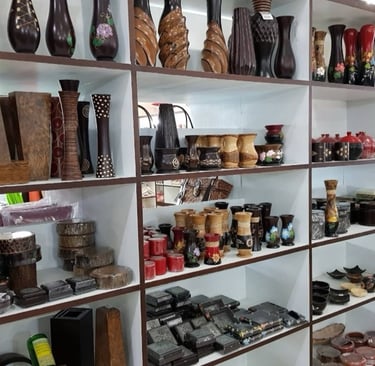
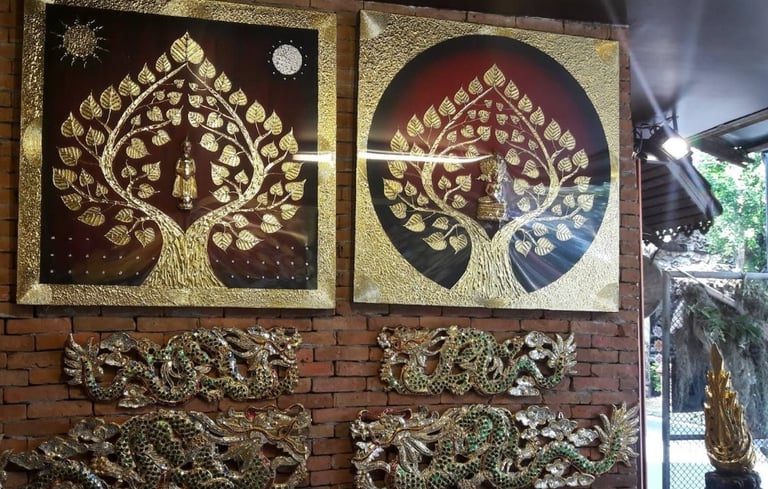
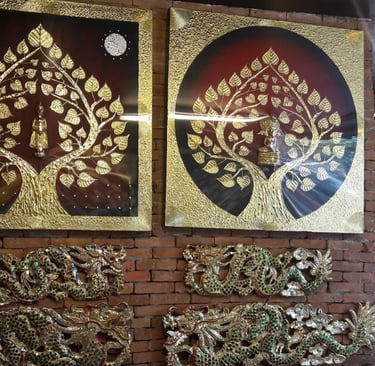
What to Buy: Wood carvings. This is the epicenter of Thailand's wood carving industry. You will find everything from 50-baht wooden coasters and mango-wood vases to 50,000-baht majestic teak statues of Ganesh.
The Strategy: This is a wholesale village. If you buy one item, the price is good. If you buy three, the price drops significantly. It is the perfect place to buy gifts for everyone back home in one go. They also have excellent shipping services on-site if you fall in love with a giant table!
5. The Sunday Walking Street (Ratchadamnoen Road)
The Vibe: Festive, crowded, and full of variety.
What to Buy: Smaller handicrafts and ceramics.
Why go here: Unlike the Night Bazaar, which sells a lot of factory-made souvenirs, the Sunday Walking Street has strict rules encouraging original crafts. You will find local university art students selling their hand-painted ceramics, grandmas selling hand-stitched dolls, and painters selling watercolors of the city moat.
Zone to Watch: Look for the temple grounds inside the market (like Wat Pan On). These often house the specialized OTOP (One Tambon One Product) artisans from nearby villages.
Part 4: Ceramics & Pottery (Celadon)
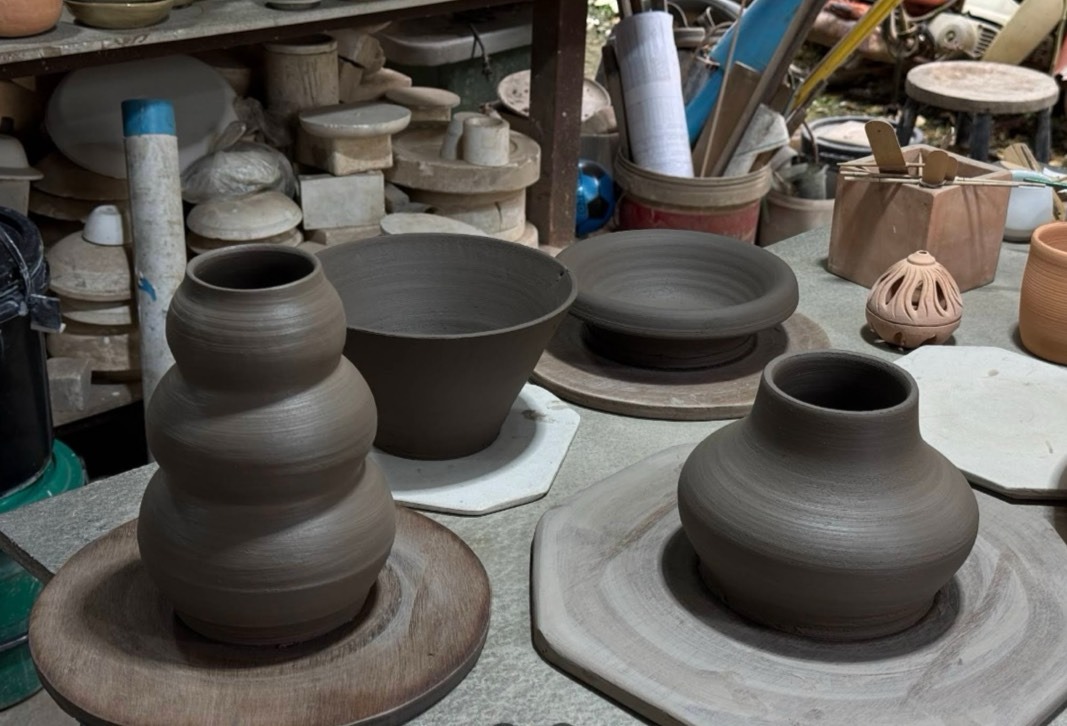
Northern Thailand is famous for Celadon, a type of stoneware with a distinctive wood-ash glaze that cracks beautifully over time (crazing).
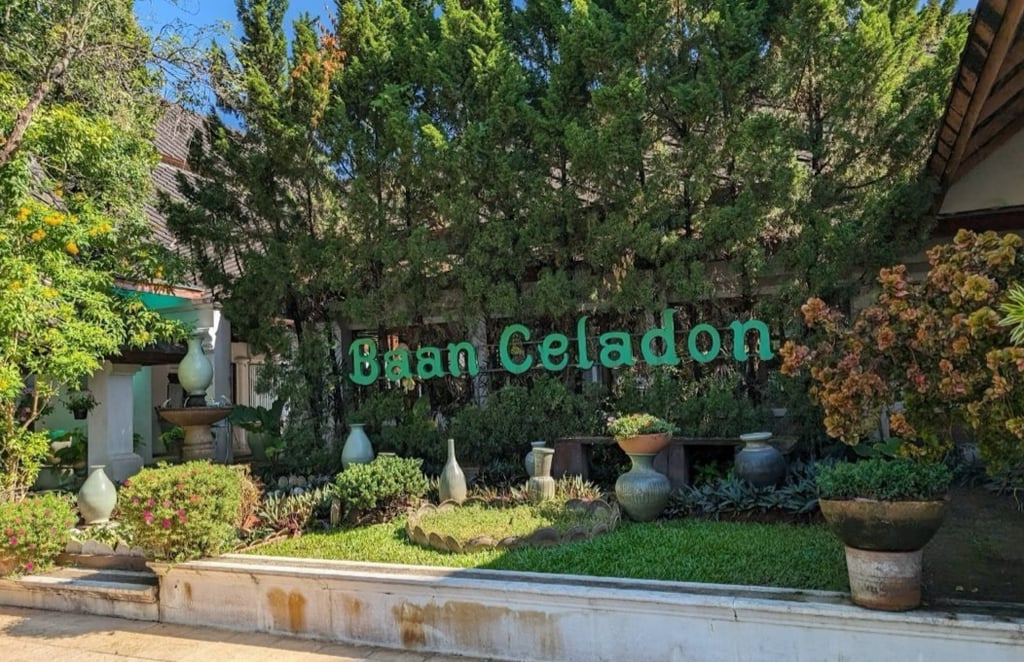
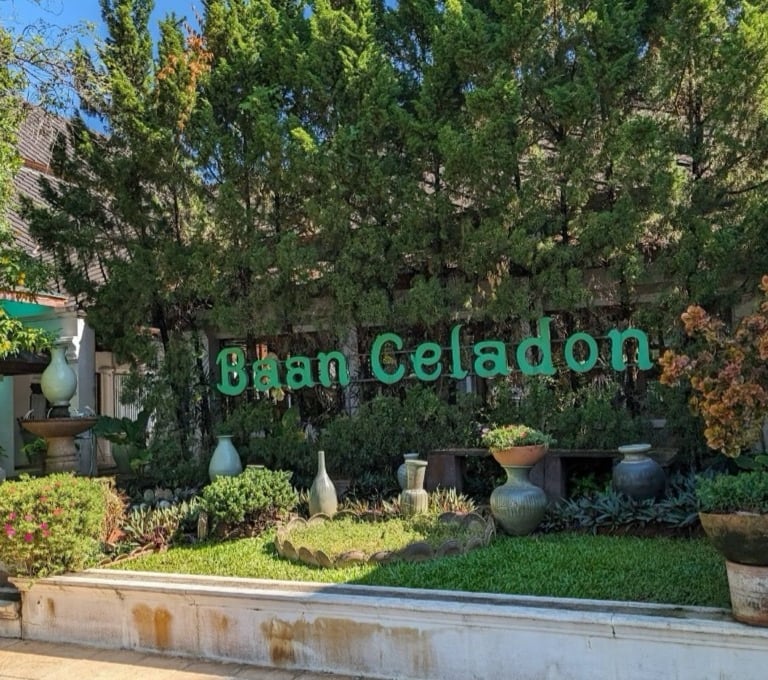
6. Baan Celadon (Doi Saket)
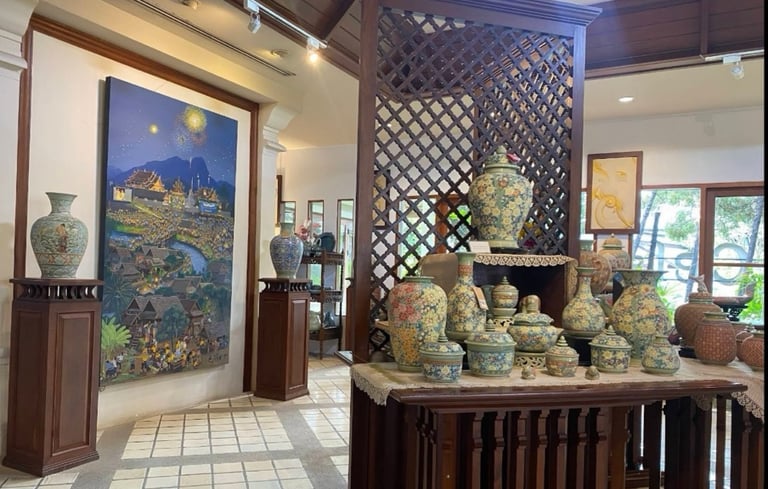
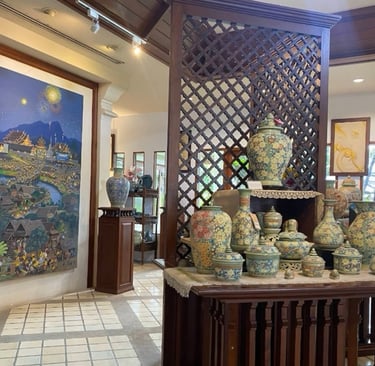
The Product: High-fired green glaze pottery.
The Experience: Similar to the silk factories, you can often see the production process. The "crackled" green look is iconic to Chiang Mai.
Why buy it: It’s incredibly durable and microwave safe, yet it looks like a museum piece. A simple Celadon coffee mug makes your morning routine feel like a royal ritual.
How to Shop Like a Local (Etiquette Tips)
The Morning Discount: Thai people believe that the first sale of the day is lucky. If you are the first customer when a shop opens (usually 9:00 or 10:00 AM), you can often get a great "lucky price."
Bargain with a Smile: Bargaining is supposed to be fun (Sanuk). Never get angry. If a vendor drops the price for you, it is polite to buy the item.
Look for the "OTOP" Logo: OTOP stands for "One Tambon (District), One Product." It is a government seal of approval that guarantees the item is a genuine local handicraft, not a cheap import.
Conclusion: Bringing the Memory Home
The best souvenir isn't the one that cost the most money; it's the one that tells a story.
When you wear that indigo scarf, you'll remember the heat of Warorot Market. When you see that silver bangle on your wrist, you'll remember the Silver Temple sparkling in the sun.
And remember, shopping is tiring work! Walking Baan Tawai or the Sunday Market can easily clock up 10,000 steps or more. Your legs will be heavy, and your shoulders might ache from carrying those shopping bags.
That is the perfect time to visit us at C and R Thai Massage. Let us restore your energy with a traditional Thai massage or a Foot Reflexology session, so you are fresh and ready for your next adventure.
What is the best treasure you have ever found in a Chiang Mai market? Tell us in the comments!
Branch 1: Sunday Walking Street
(10 AM - 10PM)
Address: 145/8 Rajdamnern Road T. Prasingh
A. Mueng Chiang Mai 50200
Branch 2: Chiang Mai Gate
(10 AM - 10PM)
Address: 18/5 Rat Chiang Saen Road T. Hai Ya
A. Mueng Chiang Mai 50100
Phone Number:
+66 (0) 94 601 6207
+66 (0) 83 480 2627
Email: services.crgroup@gmail.com