



Chiang Mai Secrets: 5 Best "Locals-Only" Restaurants & Hidden Gems
Escape the tourist traps! Discover 5 authentic, locals-only restaurants in Chiang Mai. From hidden Khao Soi spots to late-night sticky rice. Read our guide.
LOCAL FOODS AND RESTAURANTS
12/25/20259 min read
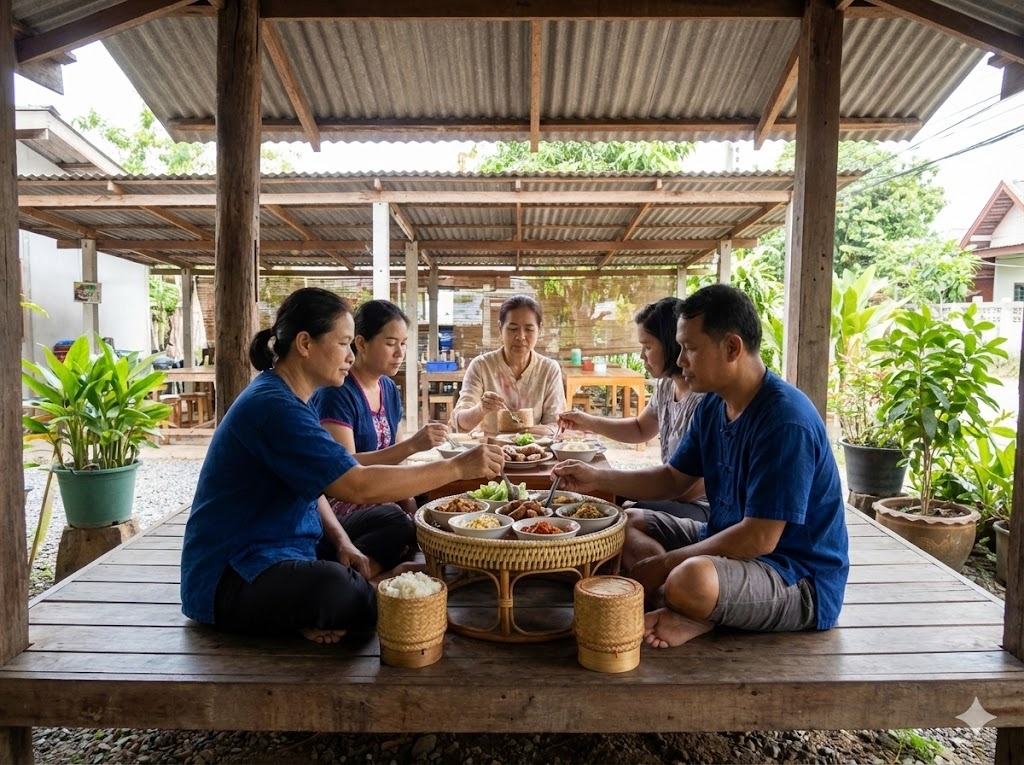
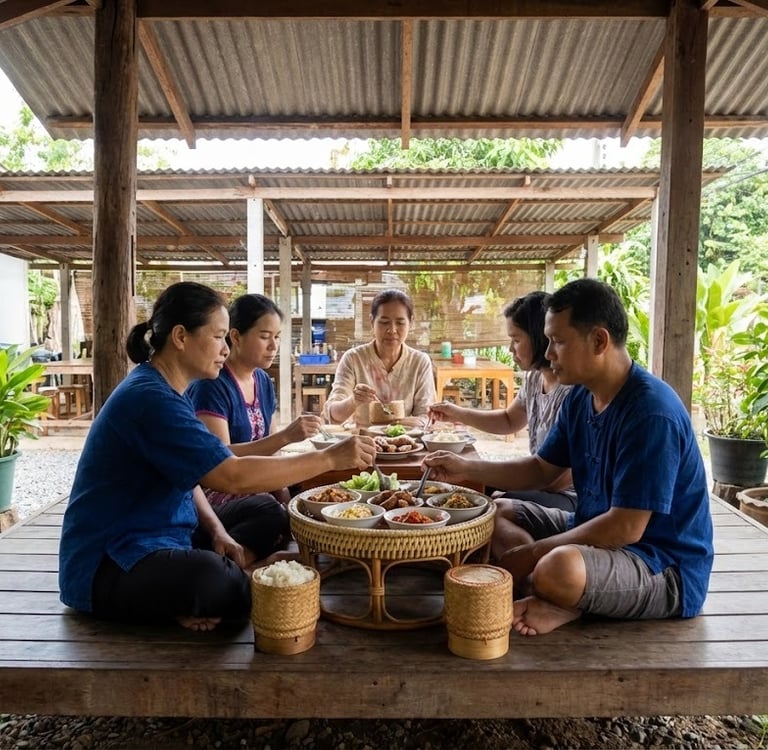
Secret Eats: Chiang Mai’s Best "Locals-Only" Restaurants You Won't Find in a Guidebook
Chiang Mai is the culinary capital of Northern Thailand. We all know this. If you type "where to eat in Chiang Mai" into Google, you will get the same five names over and over again. You’ll be sent to the same busy shops in the Old City, where you will stand in line for 45 minutes behind twenty other tourists, only to eat a bowl of Khao Soi that has been sweetened to suit a Western palate.
Don’t get us wrong—those famous places are famous for a reason. But they are not the whole story.
The real Chiang Mai dining scene happens elsewhere. It happens in nondescript shophouses on the outskirts of town. It happens under tin roofs in bustling markets at 6:00 AM. It happens in garden restaurants hidden down confusing alleyways (sois) where the menu is only in Thai and the only language you hear spoken is the melodic Kam Mueang (Northern dialect).
At C and R Thai Massage, we are locals. When we finish a long day of treating clients, we don’t go to the tourist hotspots. We go to the places that remind us of our grandmother’s cooking. We go to the places where the chili paste is fierce, the vegetables are fresh from the mountain, and the prices haven’t changed in ten years.
Today, we are sharing our secrets. We are taking you off the tourist trail to discover 5 authentic, "locals-only" restaurants that will change the way you taste Northern Thailand. Put away your guidebook; you won't need it.
1. Han Teung Chiang Mai (ฮ้านถึงเจียงใหม่)
The Vibe: Rustic, Bamboo, and Michelin-Approved (but still local)*
If you want to experience a full Northern Thai feast (Khantoke style) without the touristy dance show and the expensive ticket price, this is where you go. Located in the Suthep area near Chiang Mai University, Han Teung is a favorite among local university students and families.
The restaurant is simple—an open-air structure with bamboo tables and thatched roofs. It feels like eating in a village hut. Despite recently receiving a "Bib Gourmand" nod from the Michelin Guide, it has refused to change its soul. The crowd is still 90% Thai, and the prices remain incredibly low.
The Must-Order Dishes:
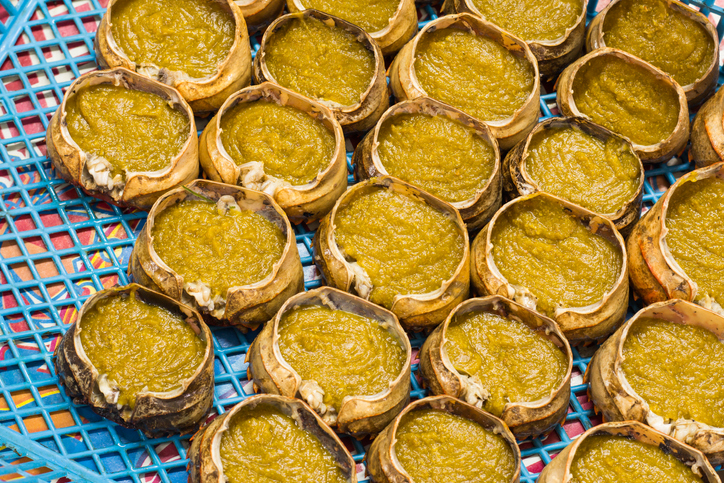
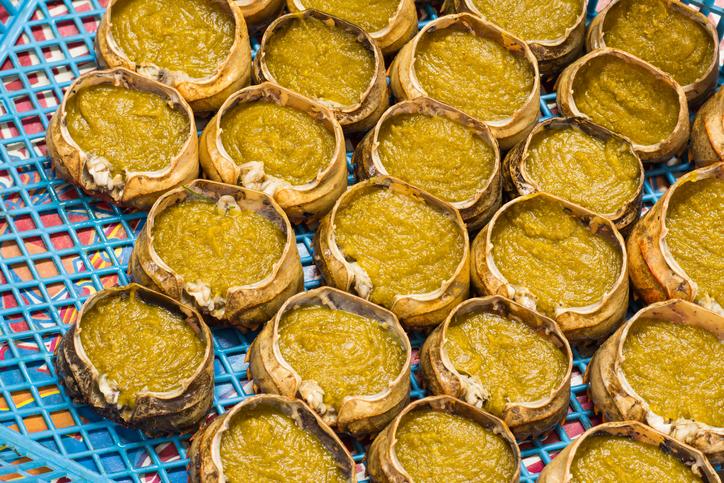
Ong Pu (อ่องปู): This is the holy grail of Northern appetizers. It is a rich, creamy field crab paste mixed with egg and grilled in the crab's shell. It tastes like a savory, umami-packed custard. You dip a ball of sticky rice into it, and it melts in your mouth.
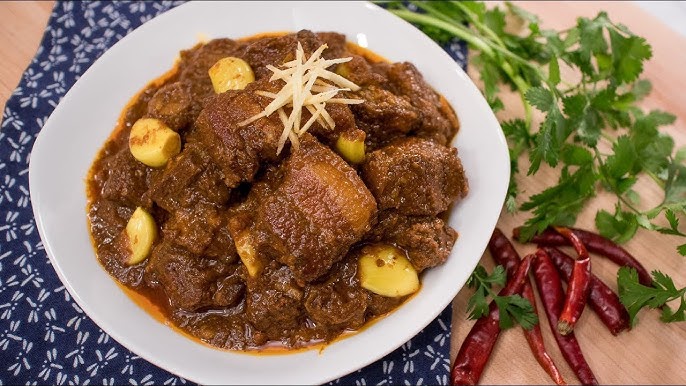
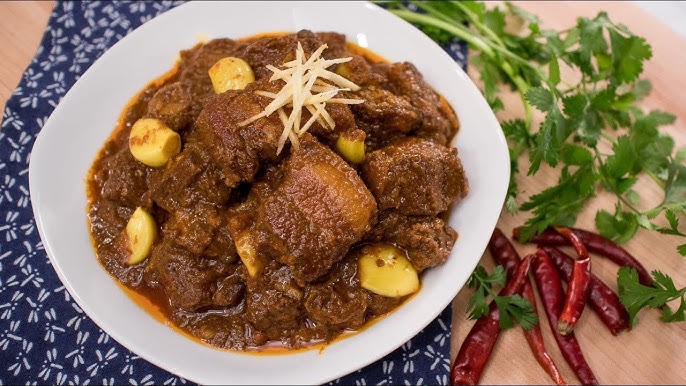
Gaeng Hang Lay (แกงฮังเล): The iconic Northern pork belly curry. At Han Teung, it is dark, rich, and deeply flavorful with ginger and tamarind. The meat falls off the bone if you even look at it.
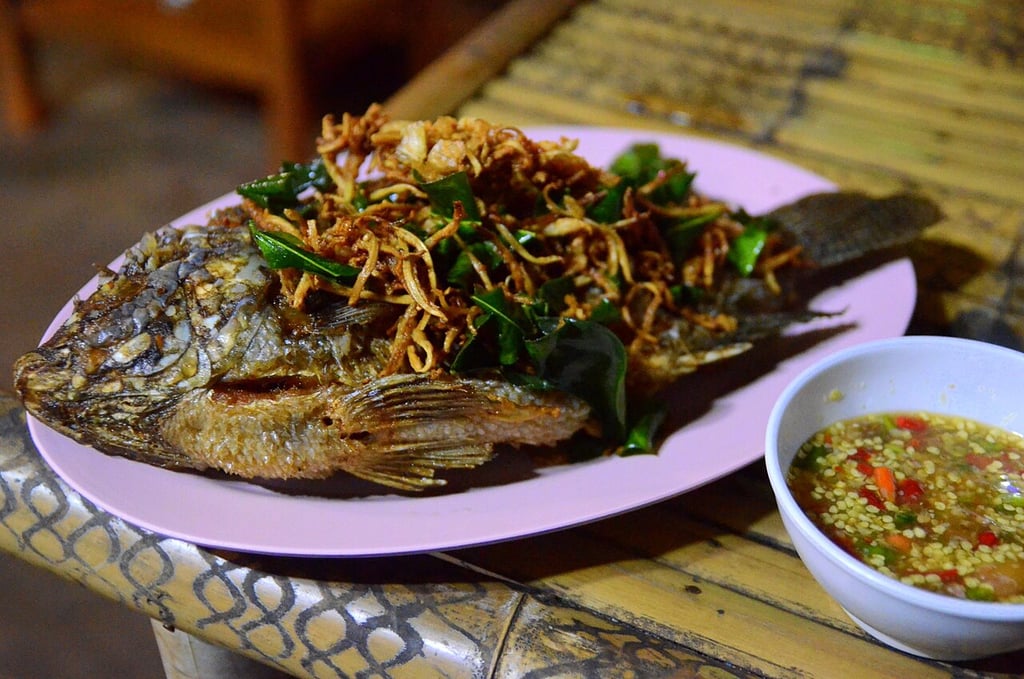
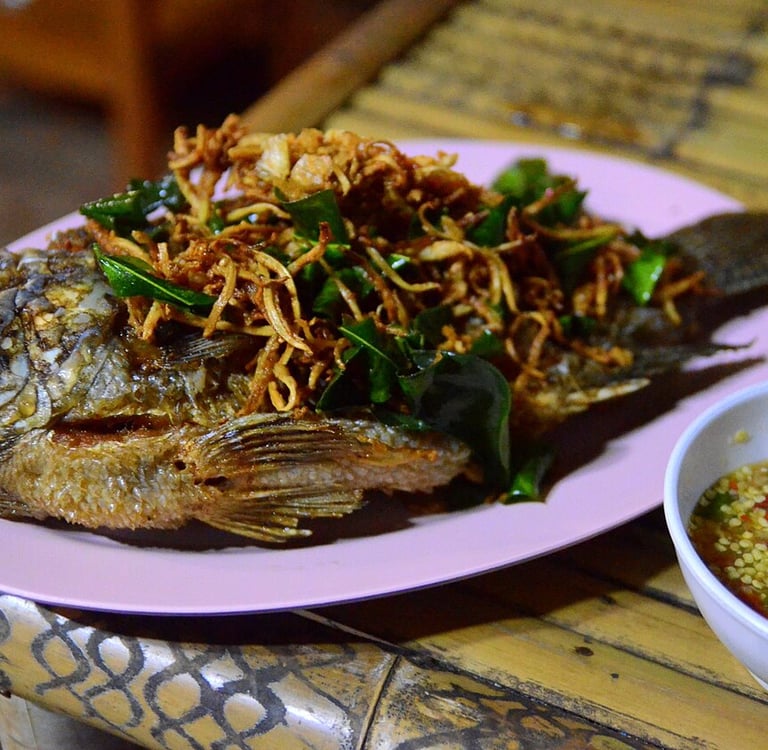
Samun Phrai Fried Fish: Deep-fried fish buried under a mountain of crispy local herbs.
Why Locals Love It: It offers the full spectrum of Lanna cuisine—from the weird insects (if you are brave) to the comforting curries—in a setting that feels unpretentious and relaxed.
Location: Soi Suthep 4 (Behind Chiang Mai University).
Best Time: Dinner (around 6:30 PM).
2. Khao Soi Mae Manee (ข้าวซอยแม่มณี)
The Vibe: A Noodle Shophouse with a Cult Following*
Every tourist eats Khao Soi. But most tourists eat a version that is very heavy on sugar and coconut milk. If you want to taste what Khao Soi is supposed to taste like, you have to drive north to Mae Manee.
This shop has been operating for over 30 years. It is located in a small alleyway and looks like a standard Thai house. There is no air conditioning, just fans and the smell of a broth that has been simmering since dawn.
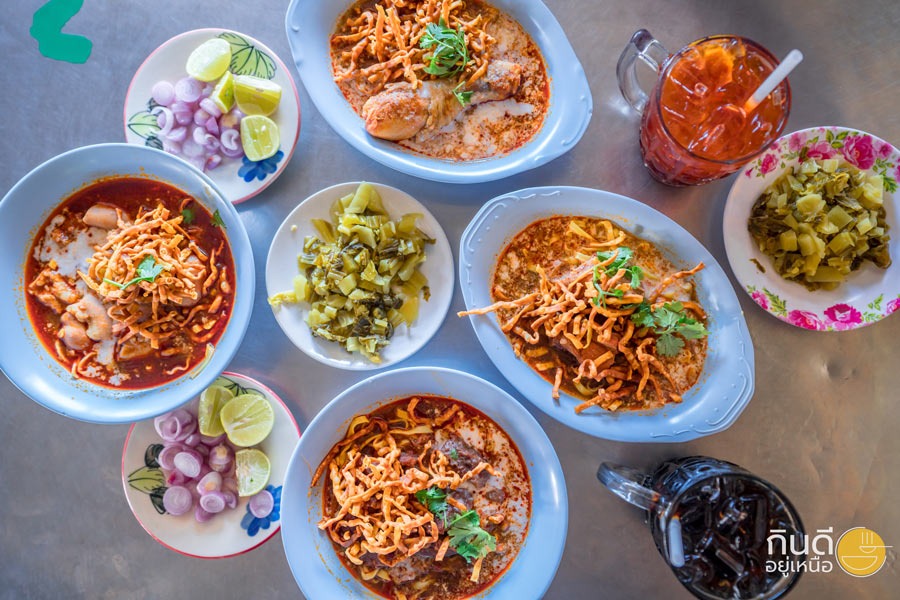
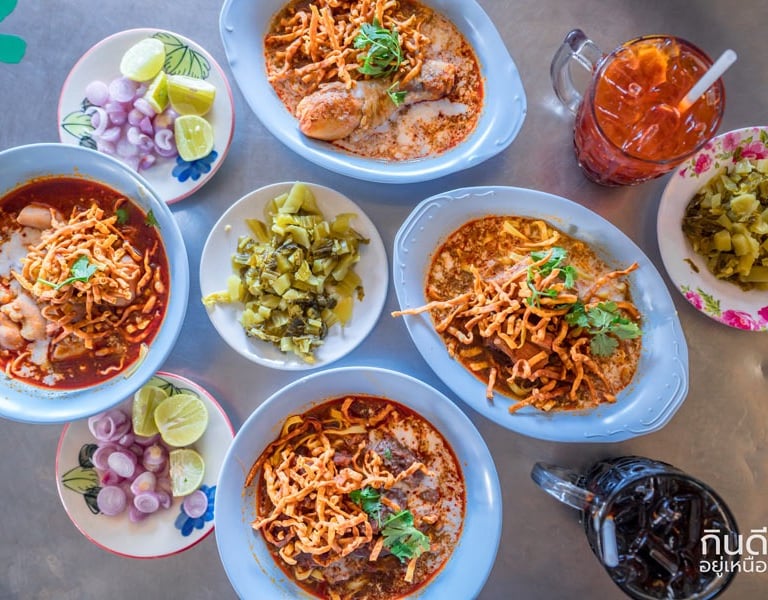
The Difference: Mae Manee’s broth is unique. It is darker, thicker, and less sweet than the "tourist" version. It doesn't rely solely on coconut milk for thickness; it relies on the paste and the slow-cooking process. It has a smoky, roasted chili aroma that hits you the moment the bowl lands on the table.
The Must-Order Dish:
Khao Soi Nua (Beef): The beef here is stewed until it is incredibly tender.
Khao Soi Haeng (Dry Khao Soi): This is a rare find! It’s the same noodles and meat but served without the soup, tossed in a concentrated curry sauce. It is intense and delicious.
Why Locals Love It: Mae Manee allows you to customize your bowl. You can mix noodles, choose different toppings (like pork ear or intestines if you are adventurous), and the portion sizes are perfect for a quick lunch.
Location: Chotana Road, Soi 24.
Best Time: Lunch (Go before 1:00 PM or they might run out of beef).
3. Krua Phet Doi Ngam (ครัวเพชรดอยงาม)
The Vibe: The "Classic" Family Dinner Spot*
If you ask a Chiang Mai taxi driver where he takes his family for a birthday dinner, he will likely say Krua Phet Doi Ngam. Located on the busy Mahidol Road, it is easy to miss if you are driving fast. The entrance is shrouded in trees, leading into a large, open-air wooden dining hall.
This place calls itself "Krua Muang Classic" (Classic City Kitchen), and that is exactly what it is. It serves dishes that are hard to find elsewhere—ancient recipes that haven't been adapted for modern trends.
The Must-Order Dishes:
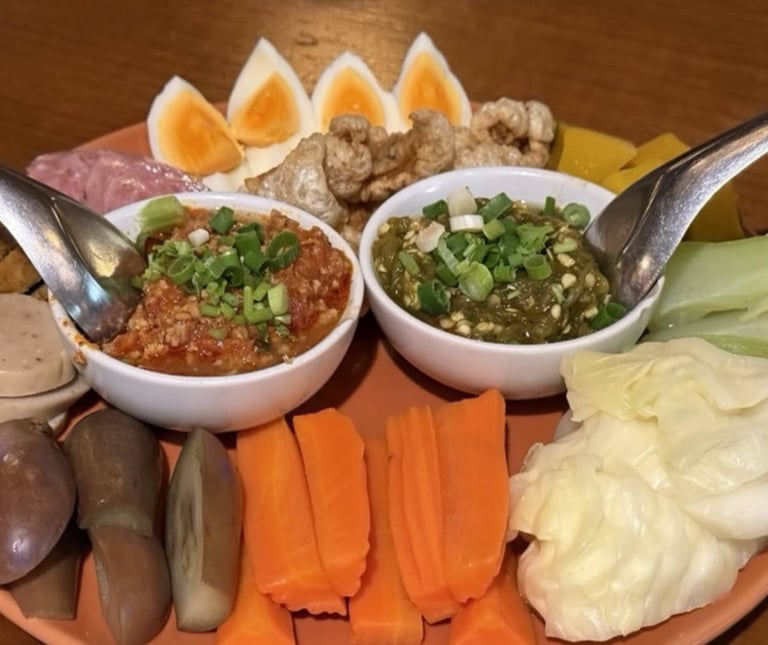
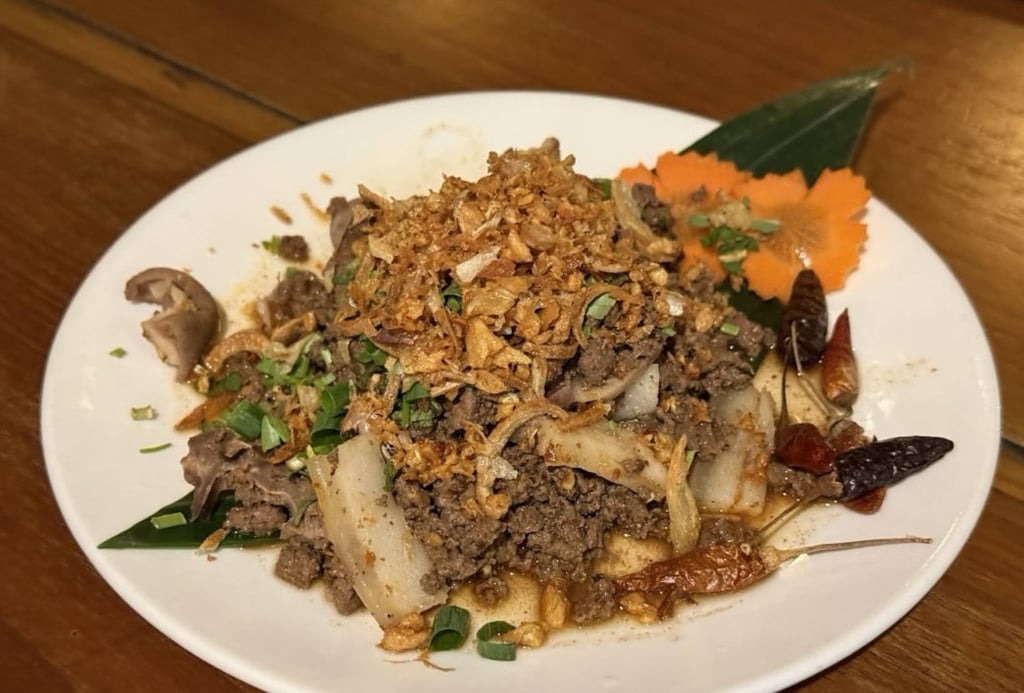
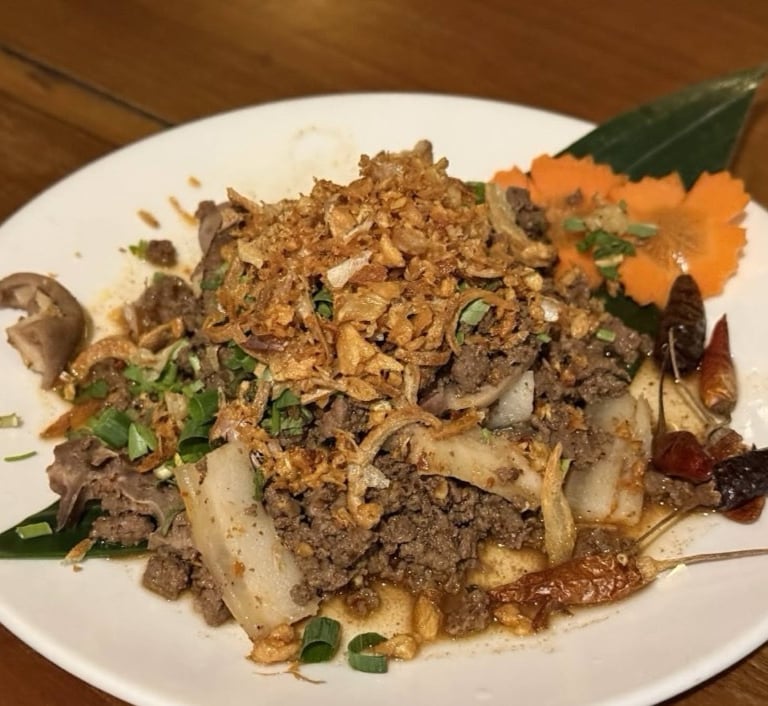
Yum Samun Phrai (Herb Salad): This is their signature. It is a fresh, zesty salad made with lemongrass, kaffir lime leaves, peanuts, and fried fish. It wakes up your palate instantly.
Laab Pla (Fish Laab): Unlike the Isan (Northeast) style laab which is sour and limey, Northern Laab is bitter, spicy, and full of dried spices (specifically ma-kwen, a local prickly ash pepper similar to Sichuan pepper). Phet Doi Ngam makes an exceptional version with fish that is aromatic and numbing in the best way.
Why Locals Love It: It is reliable. The food tastes exactly the same today as it did 20 years ago. It is the taste of home for many Chiang Mai natives.
Location: Mahidol Road (Near the airport).
Best Time: Dinner.
4. Khanom Jeen San Pa Koi (ขนมจีนสันป่าข่อย)
The Vibe: The Market Breakfast of Champions*
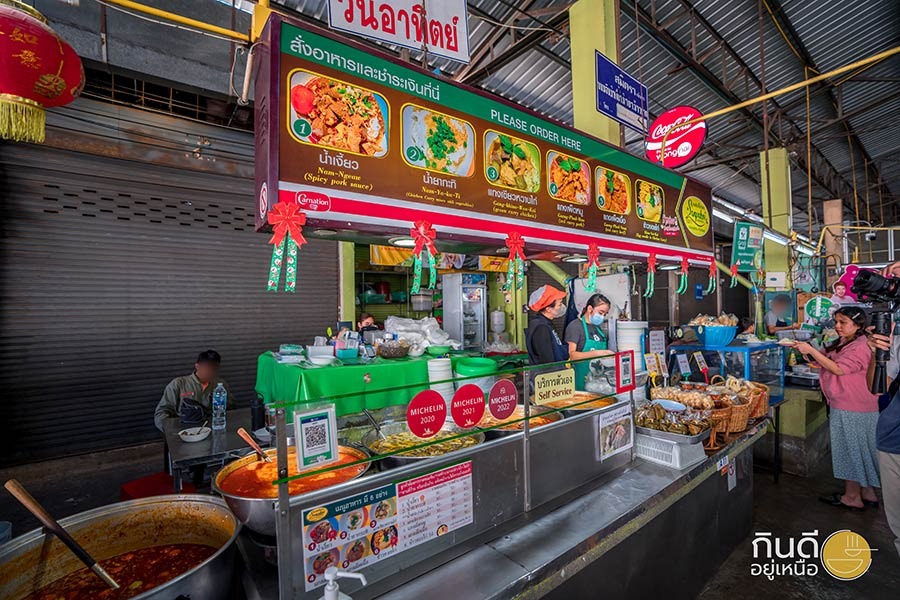
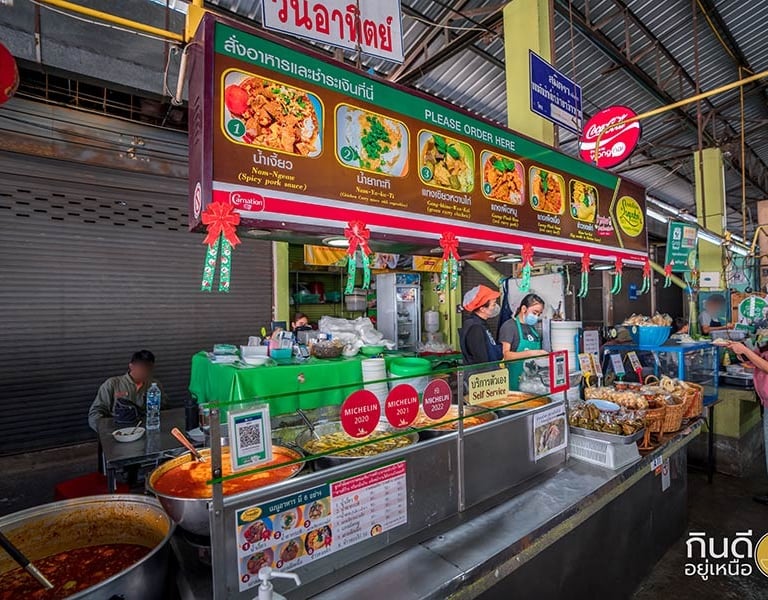
If you want to see where the locals eat, go to the market. Specifically, go to San Pa Koi Market. Inside, you will find a legendary stall that has been serving Khanom Jeen (fresh fermented rice noodles) for decades.
This is not a restaurant. It is a counter with huge pots of curry. You point, you sit on a small stool, and you eat fast.
The Must-Order Dish:
Nam Ngiao: This is the other famous noodle dish of the North, often overshadowed by Khao Soi. It is a tomato-based pork broth that is tangy, spicy, and savory (often containing cubes of congealed blood, which act like tofu).
Green Curry (Kaeng Khiao Wan): Although a Central Thai dish, their version is creamy, spicy, and packed with chicken and blood jelly.
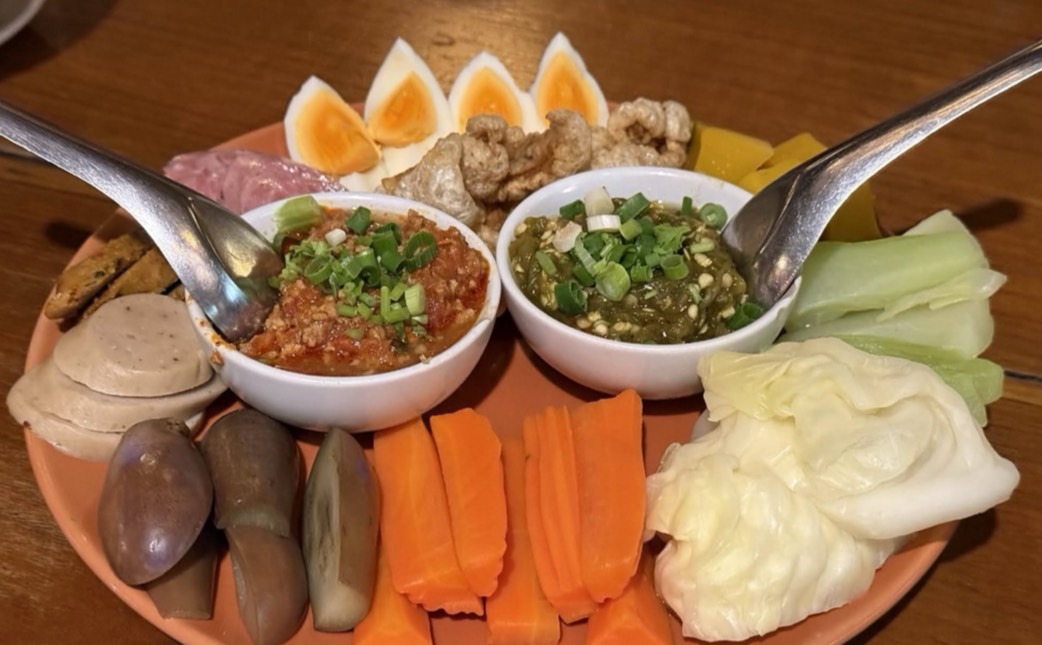
How to Eat It: You will get a plate of noodles with curry on top. On the table, there will be baskets of fresh vegetables: pickled mustard greens, raw beansprouts, string beans, and dried chilies. You must add these. The crunch of the raw veggies balances the soft noodles and rich curry.
Why Locals Love It: It is cheap (starting around 40-50 Baht), it is fast, and it is the most comforting breakfast you can imagine.
Location: Inside San Pa Koi Market (Thong Kham Road).
Best Time: Morning to early afternoon.
5. Midnight Sticky Rice (Gai Tod Tieng Kuen)
The Vibe: The Late-Night Legend*
Chiang Mai has a vibrant nightlife, and after a night out, locals don't eat kebabs; they eat Midnight Sticky Rice.
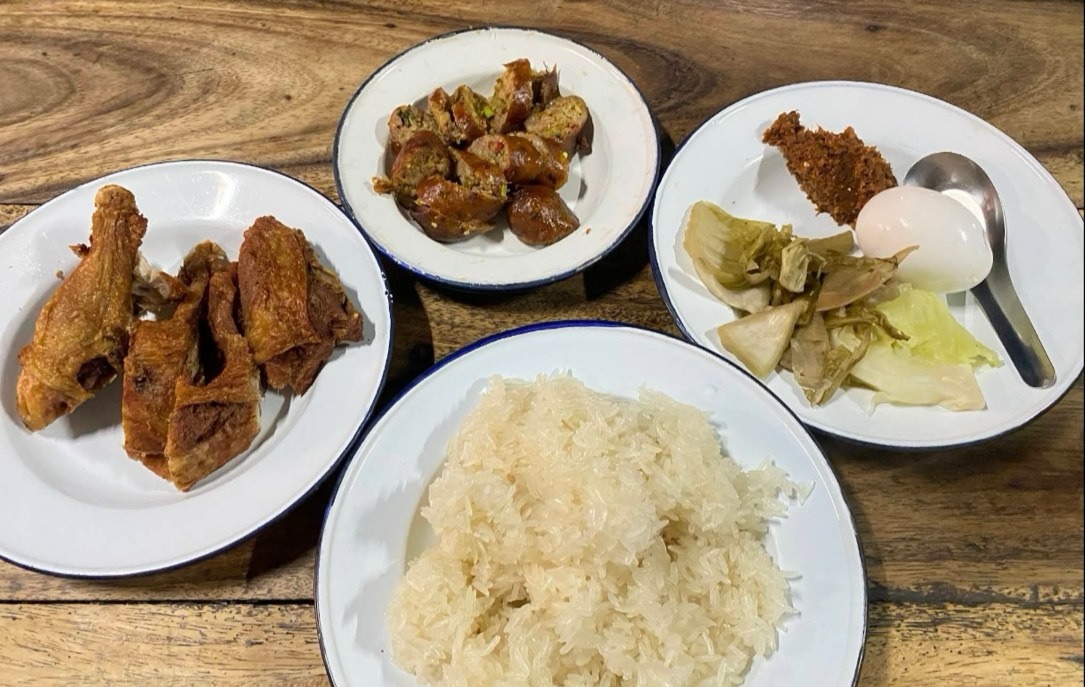
Also known as Kai Tod Tieng Kuen (Midnight Fried Chicken), this stall opens late and stays open until the early hours of the morning. It used to be located near the river but has moved slightly over the years. You will know you are in the right place by the long queue of motorbikes and the smell of frying garlic.
The Must-Order Dish:
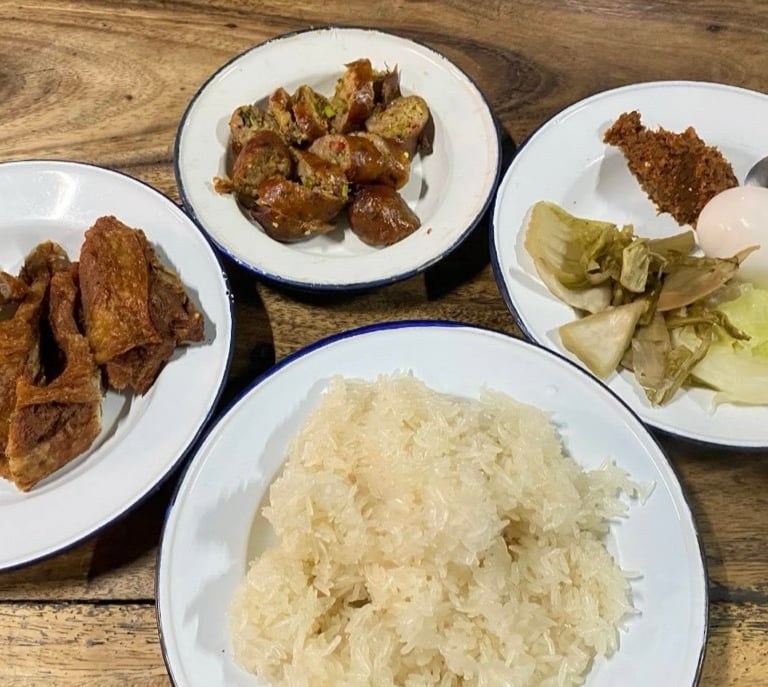
Fried Chicken: It sounds simple, but this chicken is marinated in a secret blend of soy sauce, pepper, and coriander root, then fried until the skin is shatteringly crisp while the meat stays juicy.
Nam Prik Noom (Green Chili Dip): You need this to dip your sticky rice in.
Sai Oua: Their version of the northern sausage is meaty and less fatty than others.
Why Locals Love It: It is the ultimate comfort food. There is something magical about sitting on a plastic stool at 1:00 AM, surrounded by students, workers, and party-goers, all sharing plates of sticky rice and chicken.
Location: Kamphaeng Din Road.
Best Time: 11:00 PM onwards.
Part 6: How to Dine Like a Local
Visiting these places can be intimidating if you don't speak Thai. Here is how to navigate them with confidence.
Don't Ask for Chopsticks: In Northern Thailand (and most of Thailand), we eat rice dishes with a spoon and fork. The fork pushes the food onto the spoon, and the spoon goes into your mouth. Chopsticks are only for noodle soups. If you ask for chopsticks for your rice, you will get a confused look!
Sticky Rice Hands: When eating sticky rice (Khao Niew), use your hands. Break off a small ball, knead it slightly with your fingers to make it firm, and use it to dip into sauces (Nam Prik) or pick up a piece of dry meat. Do not pour curry over sticky rice; dip the rice into the curry.
The "Ped" Factor (Spiciness): "Locals-only" restaurants do not tone down the spice for foreigners. Northern food can be spicy, but it is often more "peppery" (from Ma-Kwen) than "chili hot." If you can't eat spicy food, learn the phrase "Mai Phet" (No spicy) or "Phet Nit Noi" (Little spicy). But be warned: a local's "little spicy" might still be hot for you!
Share Everything: Thai dining is communal. Do not order one dish for yourself. Order 4-5 dishes for the table—a soup, a curry, a dip, a fried item, and a salad—and share everything. This balances the flavors of hot, sour, sweet, and salty.
Part 7: The "Food Coma" Recovery
So, you did it. You ventured out to Han Teung or Krua Phet Doi Ngam. You ordered the full Khantoke spread. You ate the sticky rice, the spicy sausage, and the rich pork curry.
And now, you can barely move.
We call this the "Food Coma," and in Thailand, we have a cure for it. It is not an espresso; it is a Massage.
After a heavy meal, your body is working hard to digest. Your energy levels drop. This is the perfect time to visit C and R Thai Massage.
We recommend:
Thai Herbal Compress Massage: The heat from the herbs helps stimulate circulation and digestion. It soothes the stomach area (if requested) and relaxes the body, allowing your digestive system to work efficiently while you drift into a nap.
Foot Reflexology: In Traditional Chinese and Thai medicine, specific points on the feet correspond to the stomach and intestines. A good foot massage can aid digestion and reduce bloating after a large meal.
Come to us waddling, and leave walking on air.
Conclusion: The Flavor of Adventure
Traveling is about more than just seeing sights; it is about tasting them. The flavors of Northern Thailand tell the story of its people—the bitterness of the mountain herbs, the heat of the chilies, the comfort of the sticky rice.
By stepping away from the "Top 10" lists and into these local establishments, you aren't just getting a meal; you are getting a memory. You are seeing the real Chiang Mai.
So tonight, be brave. Skip the pizza. Skip the hotel buffet. Go find the lady selling Khao Soi in the alleyway. We promise you, it will be the best meal of your trip.
Have you discovered a hidden food gem in Chiang Mai? Share it in the comments below (or keep it a secret)!
Branch 1: Sunday Walking Street
(10 AM - 10PM)
Address: 145/8 Rajdamnern Road T. Prasingh
A. Mueng Chiang Mai 50200
Branch 2: Chiang Mai Gate
(10 AM - 10PM)
Address: 18/5 Rat Chiang Saen Road T. Hai Ya
A. Mueng Chiang Mai 50100
Phone Number:
+66 (0) 94 601 6207
+66 (0) 83 480 2627
Email: services.crgroup@gmail.com