



Chiang Mai on a Budget: 15 Tips for Saving Money & Traveling Smart
Traveling to Chiang Mai on a budget? Read our 2025 guide with 15 local tips on cheap transport, street food, free temples, and affordable wellness.
CHIANG MAI OLD TOWN AND TRAVEL TIPS
12/1/20257 min read


Chiang Mai on a Budget: 15 Tips for Saving Baht Without Sacrificing Fun
Chiang Mai is famously one of the most affordable travel destinations in the world. It’s a place where you can have a delicious meal for $2, get a world-class massage for a fraction of the price back home, and see breathtaking culture for free.
However, as the city grows and tourism booms, costs can creep up if you aren't careful. We’ve all seen travelers fall into "tourist traps," paying triple for a tuk-tuk or eating overpriced, watered-down curry near the major landmarks.
Welcome to the C and R Thai Massage Blog. We are locals, and we believe that the best way to experience Chiang Mai isn't by throwing money around—it's by living like a local.
Traveling on a budget doesn't mean missing out. In fact, we believe it means more fun. It means eating street food with the grandmas, riding the red trucks with the students, and finding joy in the simple, authentic side of Lanna culture.
Whether you are a backpacker watching every penny or a luxury traveler looking for smart value, these 15 tips will help you stretch your Baht further, so you can spend your money on the things that truly matter (like an extra hour of relaxation!).
🚌 Transport: Getting Around for Less
The first place travelers lose money is transport. Here is how to navigate the city like a pro.
1. Master the "Rod Daeng" (Red Truck)
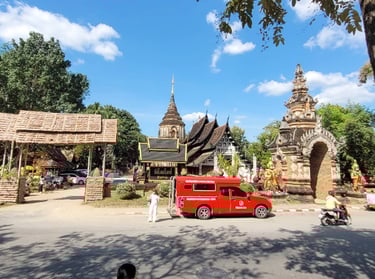
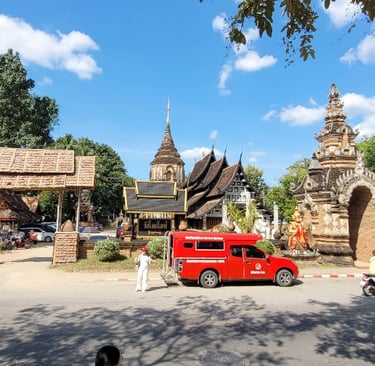
You will see red pickup trucks with roofs everywhere. These are Songthaews. They are shared taxis and the lifeblood of the city.
The Rule: If you are traveling within the main city/moat area, the standard price is 30 Baht per person.
The Tip: Don't ask "How much?" If you ask, they might quote you a tourist price (100+ Baht). Just wave one down, tell the driver your destination, and if he nods, hop in the back. When you get out, hand him 30 Baht. Confidence is key!
2. Walk the Old City
Chiang Mai’s Old City (the square inside the moat) is surprisingly small—only about 1.5km across.
You can walk from Tha Phae Gate (East) to Suan Dok Gate (West) in about 20-25 minutes.
Walking is not only free; it’s the best way to discover hidden temples, street art, and tiny cafes you would miss in a car.
3. Use Grab (But Check the "Bike" Option)
If you need to go further or it’s late at night, download the Grab app (Thailand’s Uber).
Budget Hack: If you are traveling solo, select "Grab Bike" (Win). It is usually half the price of a car and much faster during rush hour traffic.


🍜 Food & Drink: Eat Like a Local
You didn't come to Thailand to eat burgers (though we have good ones). You came for the flavors. Luckily, the best food is often the cheapest.
4. The "Street Food" Golden Rule
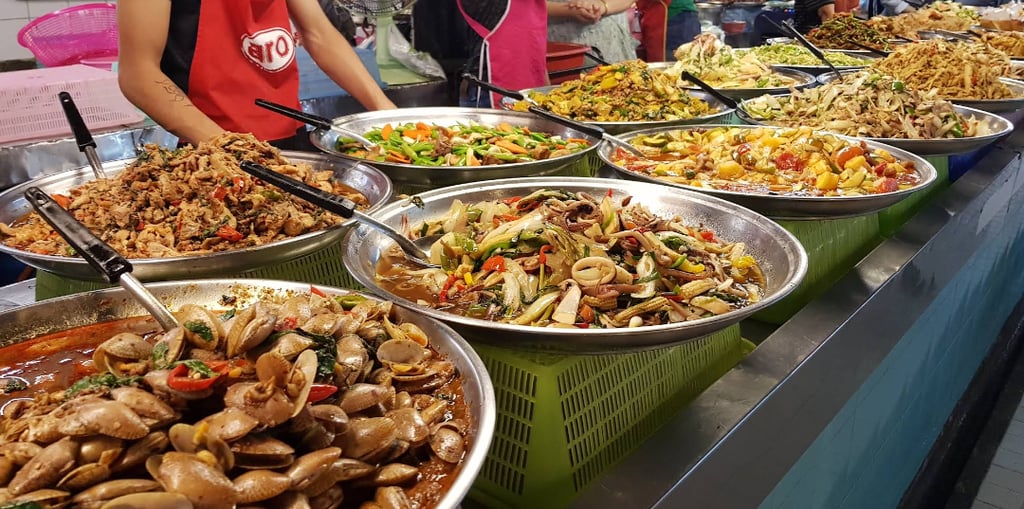
Don't be afraid of street stalls. In fact, seek them out.
Price Check: A bowl of Khao Soi or a plate of Pad Kra Pao (Basil Pork) should cost between 40-60 Baht. If a menu says 150 Baht for Pad Thai, you are in a tourist trap.
Where to look: Chang Puak Gate (North Gate) at night is legendary. Look for the stalls with long lines of locals—that’s your quality guarantee.
5. Drink the Water (Smartly)
Thailand is hot. You need to hydrate.
Buying 10 plastic bottles a day adds up (and kills the planet).
The Tip: Look for the white water filtration machines on the street corners. You can refill a 1.5L bottle for 1-5 Baht. Alternatively, buy one large 6L jug at 7-11 and refill your small bottle from that in your room.
6. Visit "Local" Markets, Not Just "Tourist" Markets
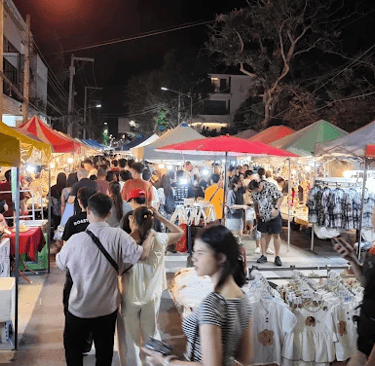
Everyone knows the Night Bazaar, but prices there are higher.
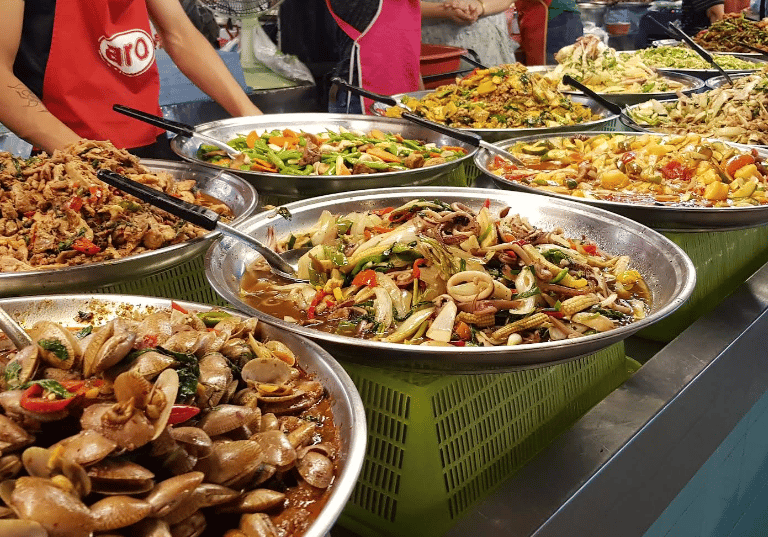
Try Siri-Wattan Market (Thanin Market): This is where locals buy their lunch. You can get incredible cooked food for takeaway at rock-bottom prices.
Try the Sunday Walking Street: While touristy, the food zone inside the temples usually offers cheaper snacks than the restaurants lining the road.


🏯 Sightseeing & Activities: Free & Cheap Fun
You don't need expensive tours to see the magic of Chiang Mai.
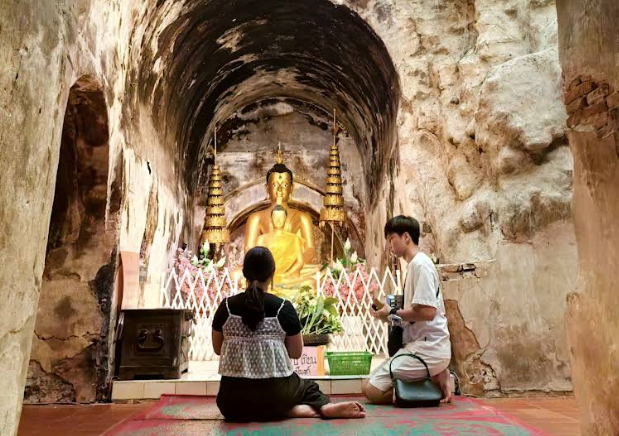
7. Temple Hopping is (Mostly) Free
There are over 300 temples in Chiang Mai. While the big famous ones (Wat Chedi Luang, Wat Phra Singh) charge a small entrance fee (usually 40-50 Baht for foreigners), hundreds of others are free.
Must-Visit Free Spots: Wat Umong (the tunnel temple) grounds, Wat Lok Molee (beautiful old brick), and the Silver Temple (outside area).
8. The Monk's Trail (Wat Pha Lat)
Want to hike? Skip the expensive guided trekking tours if you just want a half-day nature fix.
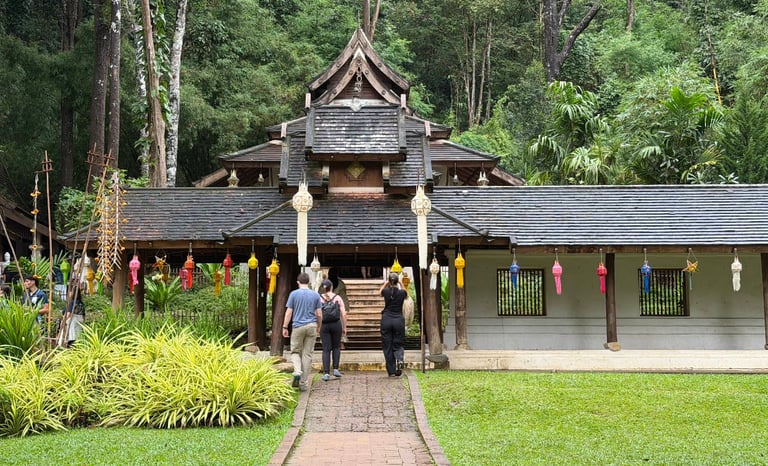
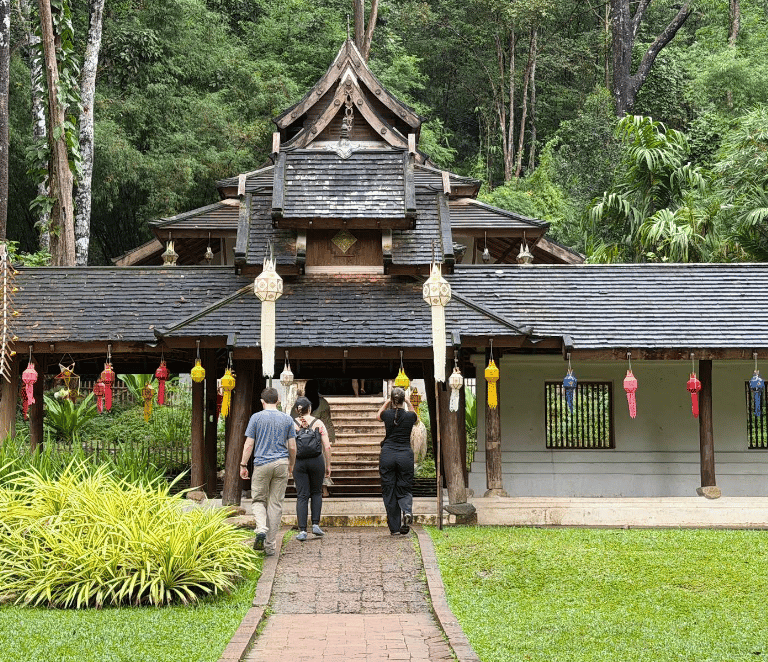
Hike the Monk's Trail (starting behind Chiang Mai University) up to Wat Pha Lat. It is a jungle temple that feels like Indiana Jones. It is completely free, shaded, and beautiful.
9. Free Cultural Classes (Monk Chat)
Want to learn about Buddhism? You don't need to pay for a course.
Visit Wat Chedi Luang or Wat Suan Dok during their "Monk Chat" times. You can sit with novice monks, help them practice English, and ask them anything about their lives. It is a rich cultural exchange that costs nothing.
10. Public Parks
Need to relax? Suan Buak Haad Park in the southwest corner of the moat is free. You can rent a woven mat for 20 Baht, buy a smoothie, and watch the locals practice Yoga or Sepak Takraw (kick volleyball).
🛍️ Shopping: How to Spend Smart
11. Learn the Art of the Bargain
In markets (not 7-11 or restaurants), bargaining is expected.
The Strategy: If they say 300, ask for 200. Smile. Be polite. Never get angry over 20 Baht (which is less than $1 USD).
The "Walk Away": The best negotiating tactic is walking away slowly. Often, they will call you back with a better price.
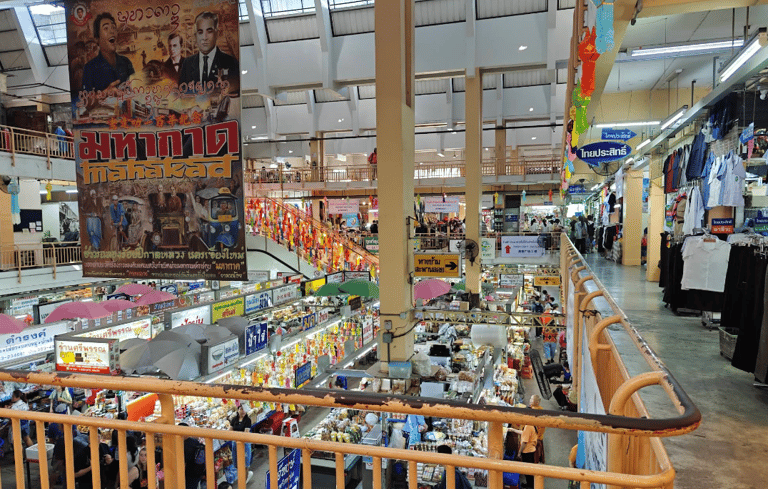
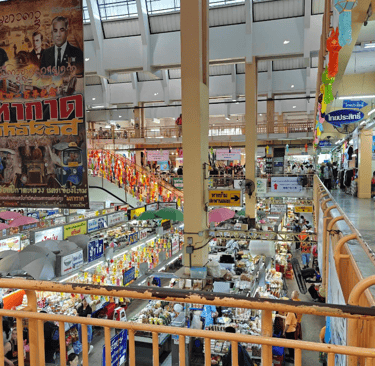
12. Buy Souvenirs at "Warorot Market" (Kad Luang)
Skip the glossy souvenir shops. Go to Warorot Market by the river. This is a wholesale market.
You can buy bags of dried mango, Northern spices, and fabric for much cheaper prices here because this is where the vendors shop!
💆♀️ Wellness & Lifestyle: Saving on Essentials
13. Laundry for Less
Don't use the expensive hotel laundry service (which charges per piece).
Look for the coin-operated washing machines on the street (usually 30-40 Baht per load).
Or, find a local laundry shop that charges by the kilogram (usually 40-60 Baht/kg for wash, dry, and fold).
14. SIM Cards
Don't buy the "Tourist SIM" at the airport if you can avoid it. Go to a local AIS or True Move shop in a mall (like Maya Mall). You can often get data packages that are much cheaper and last for 30 days.
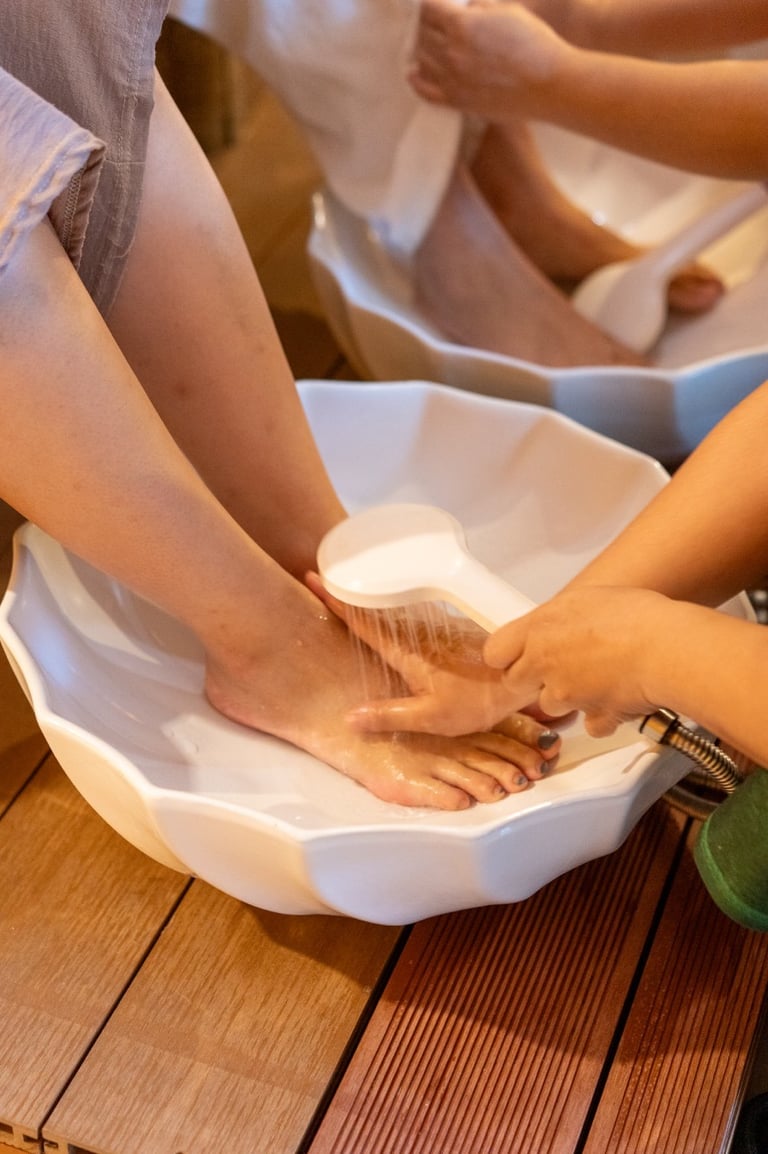
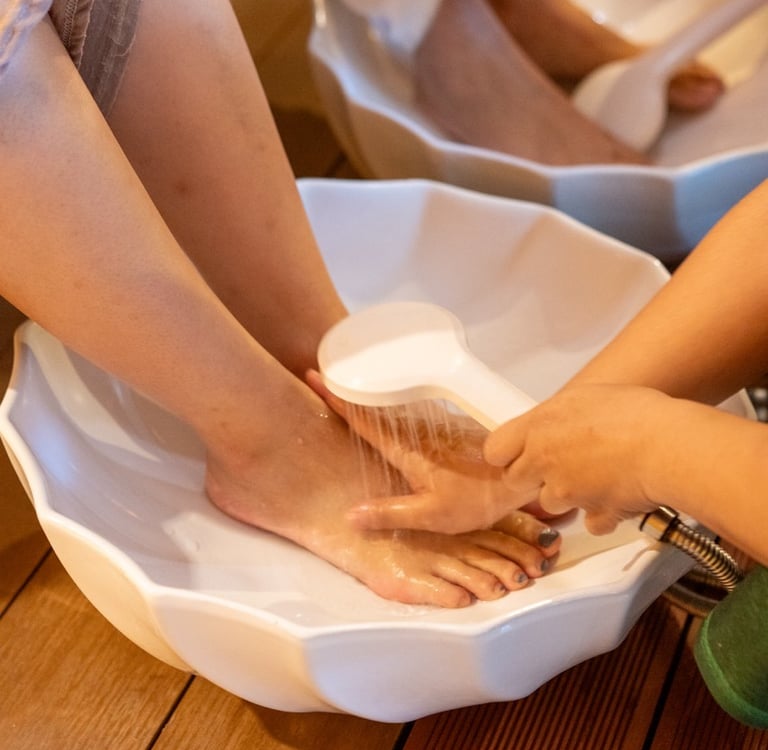
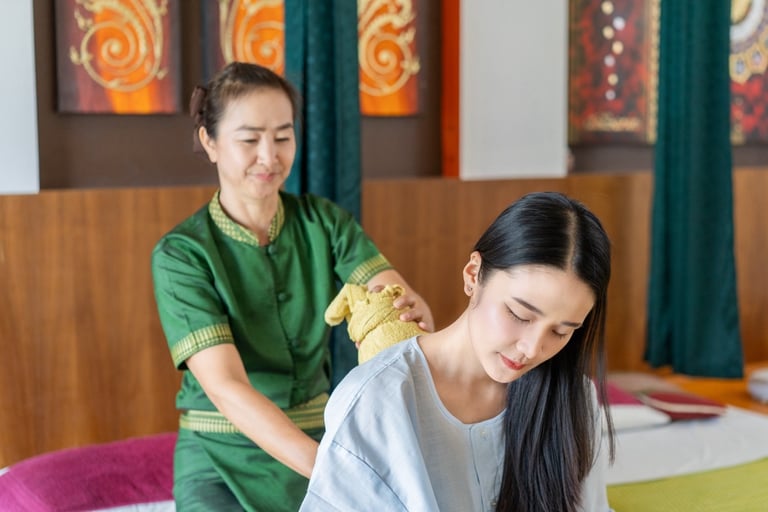
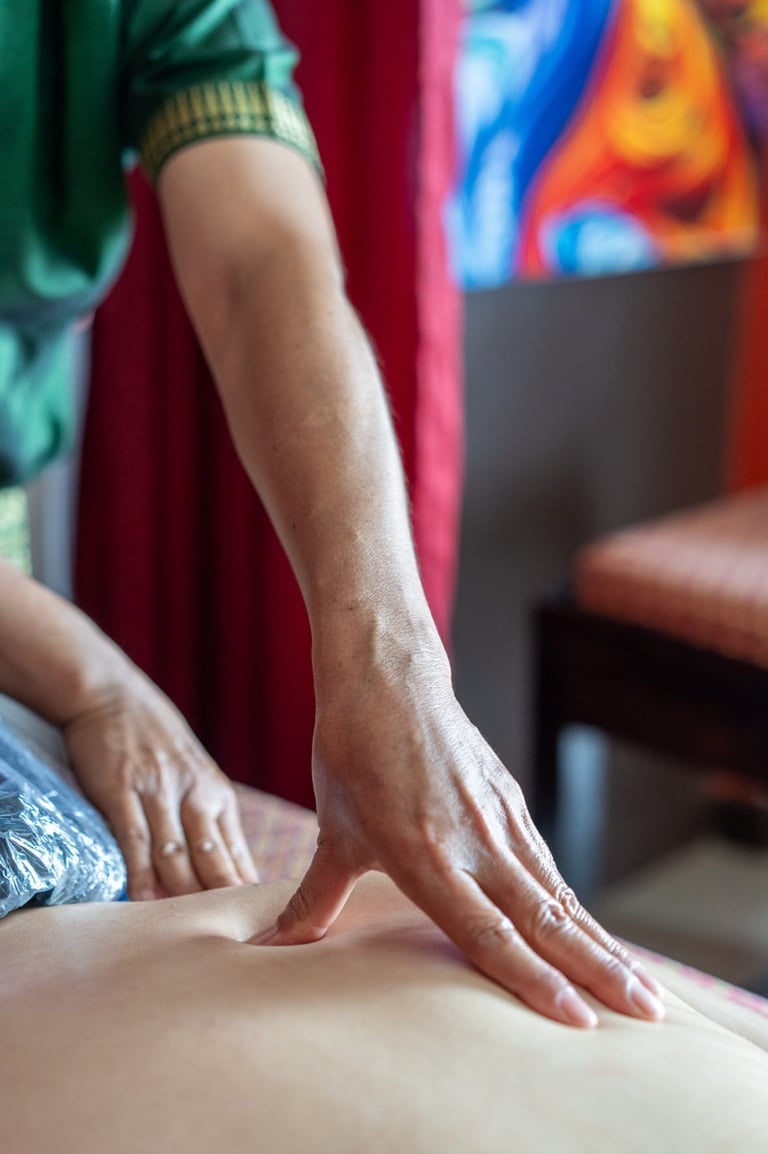
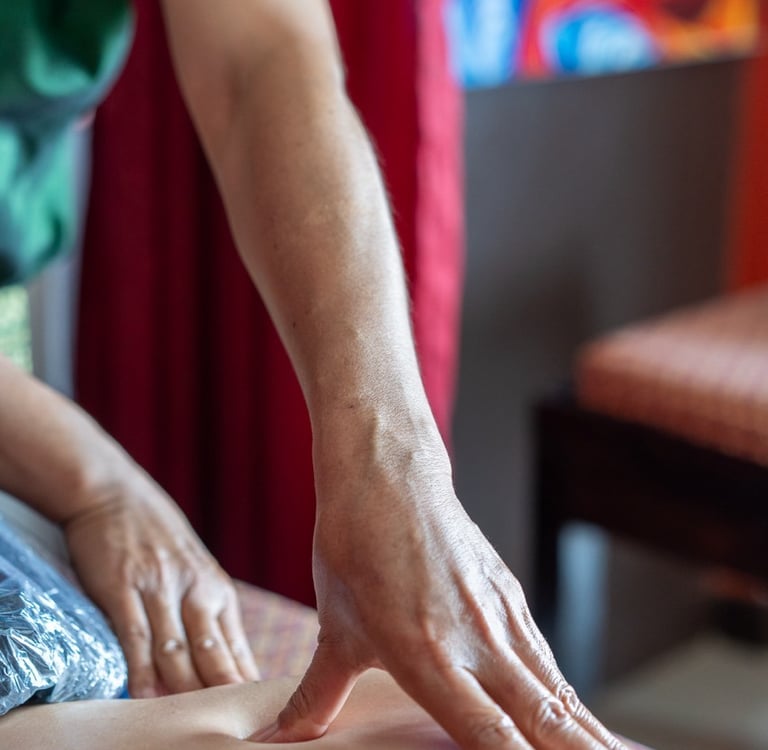
15. Affordable Luxury: Choosing the Right Massage
This is our area of expertise! In Chiang Mai, you will see massage shops offering 150 Baht/hour massages, and luxury hotel spas charging 3,000 Baht/hour.
The Budget Trap: The cheapest massage isn't always the best value. If the linens aren't clean, the air conditioning is broken, or the therapist is untrained, you wasted 150 Baht.
The C and R Philosophy: We bridge the gap.
We aren't a 3,000 Baht hotel spa.
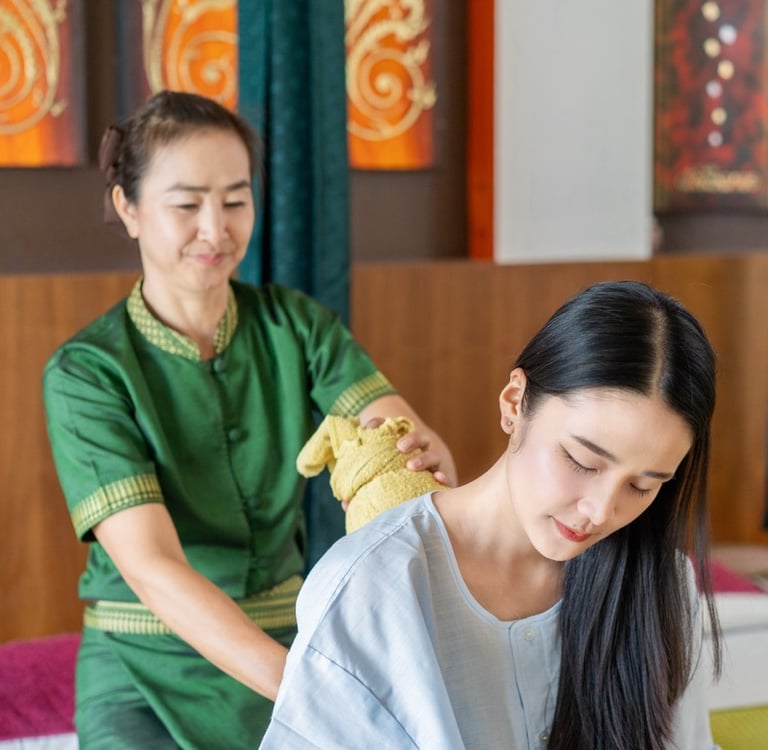
But we offer the quality of a high-end spa—clean towels, trained therapists, air conditioning, and a peaceful atmosphere—at a "local friendly" price.
Budget Tip: Spending a little more (example: 300-500 Baht range) ensures you actually get the health benefits, meaning you won't need to pay for another massage the next day to fix a bad one!
Conclusion: The Richest Experience
Chiang Mai is a city that gives you back what you put in. If you spend less money but spend more time—walking, talking to locals, eating street food—you will actually have a richer experience than the tourist who stays in the resort.
Saving Baht isn't just about being cheap; it's about being smart so you can stay in our beautiful city longer.
And remember, after a long day of walking the Monk's Trail, bargaining at Warorot Market, and hunting for the cheapest Khao Soi, you deserve a reward. Come visit us at C and R Thai Massage. We promise to treat you like royalty, even on a backpacker's budget.
What is your best money-saving tip for Thailand? Share it in the comments below to help other travelers!
Branch 1: Sunday Walking Street
(10 AM - 10PM)
Address: 145/8 Rajdamnern Road T. Prasingh
A. Mueng Chiang Mai 50200
Branch 2: Chiang Mai Gate
(10 AM - 10PM)
Address: 18/5 Rat Chiang Saen Road T. Hai Ya
A. Mueng Chiang Mai 50100
Phone Number:
+66 (0) 94 601 6207
+66 (0) 83 480 2627
Email: services.crgroup@gmail.com