


How to Prepare for Your First Massage: The Ultimate Guide
Nervous about your first massage? Read our complete beginner's preparation guide. Learn what to wear, when to eat, and how to communicate with your therapist.
THAI MASSAGE AND WELLNESSHEALTHCARE & MEDICAL TIPS
4/5/20268 min read
The Ultimate Beginner's Guide: How to Prepare Before Your First Massage Session
Introduction: The Threshold of Relaxation
You have spent the morning exploring the ancient temples of the Old City. You have navigated the bustling alleys, haggled for a beautiful woven bag, and eaten your weight in Khao Soi. Your mind is thrilled, but your body—your feet, your lower back, your carrying-a-heavy-backpack shoulders—is officially exhausted.
It is time for a massage.
But if you have never had a professional massage before, crossing the threshold of a spa can feel a little intimidating. What do I wear? Should I eat first? What if I fall asleep? What if it hurts? At C and R Thai Massage, we meet first-time clients every single day. Whether you walk into our sanctuary near the Sunday Walking Street or our peaceful branch near Chiang Mai Gate, we see that familiar look of hesitation. It is completely normal. Stepping into a new environment and trusting a stranger with your physical comfort requires a leap of faith.
We believe that your relaxation should begin long before you lie down on the mat. When you know exactly what to expect and how to prepare your body and mind, that initial anxiety melts away, allowing you to fully absorb the healing benefits of the therapy.
Consider this your definitive "Pre-Massage Manual." From what to eat (and what to avoid) to how to communicate with your therapist, here is everything you need to know to prepare for your first-ever massage session in Chiang Mai.
Part 1: The Physical Preparation (Fueling for Healing)
A massage is a physical workout for your muscles and your circulatory system, even if you are just lying there. You need to prepare your body just as you would for a light exercise session.
1. The "Goldilocks" Meal Strategy One of the most common mistakes beginners make is their pre-massage meal timing.
The Mistake: Eating a massive buffet lunch right before your session. When your body is working hard to digest a heavy meal, lying on your stomach for an hour is going to feel incredibly uncomfortable. Furthermore, during a Traditional Thai Massage, the therapist will apply pressure to abdominal energy lines and twist your torso. You do not want a full stomach for this!
The Other Mistake: Going in completely starved. A massage stimulates your metabolism and lowers your blood sugar slightly. If you are running on empty, you might feel dizzy or lightheaded afterward.
The Fix: Eat a light, easily digestible meal (like a papaya salad or a clear noodle soup) about 90 minutes to 2 hours before your appointment. If you are starving right before you walk in, grab a small piece of fruit.
2. Hydration is Non-Negotiable Massage flushes stagnant toxins and metabolic waste (like lactic acid) out of your muscle tissues and into your bloodstream. Your body needs water to filter these out through your kidneys.
Before: Drink a glass of water an hour before your session. Do not chug a whole liter right before you step in, or you will spend your entire 90-minute relaxation time desperately needing to use the restroom!
Avoid: Skip the iced coffee or the pre-massage beer. Caffeine and alcohol dehydrate your muscles, making the tissue sticky and stiff, which makes the massage less effective and potentially more uncomfortable.
3. Sun Protection (The Tourist Trap) Chiang Mai’s sun is intense. If you have spent the day riding a motorbike up to Doi Suthep without sunscreen, your skin is going to be inflamed.
The Warning: If you have a fresh, bright red sunburn, do not get a massage. The friction of an oil massage or the pressure of a Thai massage on burned skin is excruciating and can cause skin damage.
The Fix: If you are slightly sun-kissed, let us know! We can use Aloe Vera or cooling coconut oil and adjust our pressure to ensure your skin is soothed, not irritated.


Part 2: Hygiene and Attire (What to Wear)
This is the number one source of anxiety for beginners: How much do I take off?
1. The Shower Rule Chiang Mai is hot, and you have likely been sweating. Do you need to shower immediately before walking in?
The Reality: While we certainly appreciate a fresh client, we understand you are traveling! If you have been walking around the Old City, we don't expect you to be perfectly pristine.
Our Protocol: At C and R Thai Massage, we always begin with a refreshing foot wash and scrub. This grounds you, washes away the street dust, and gives you a moment to transition from the chaos of the city into the calm of the spa. If you are booking an Oil Massage, taking a quick shower beforehand (either at your hotel or if facilities are available) is great because clean skin absorbs the nourishing oils much better.
2. Decoding the Dress Code What you wear during the massage depends entirely on the treatment you choose.
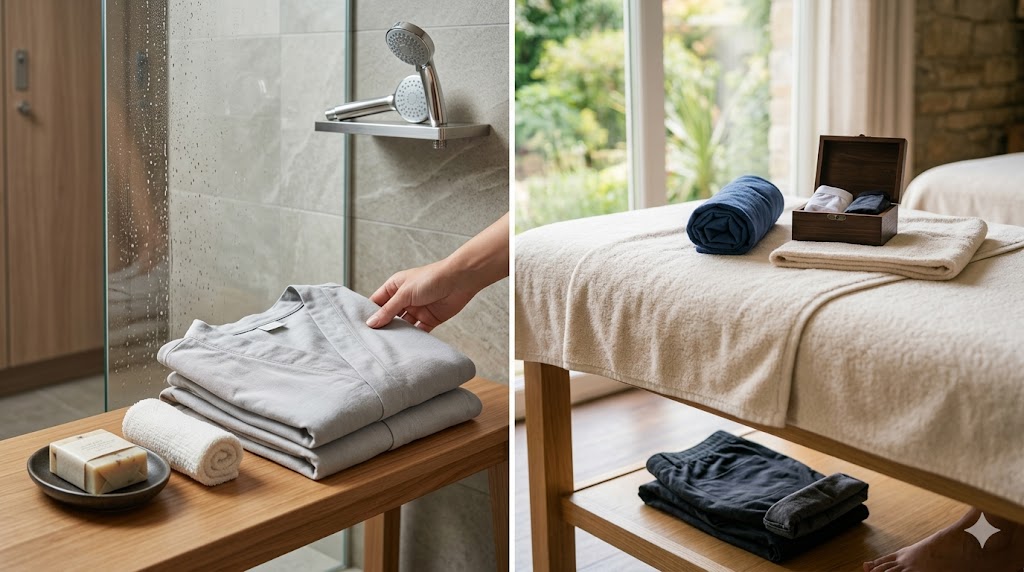
For Traditional Thai Massage: You remain fully clothed. We will provide you with a set of clean, loose-fitting, breathable cotton "pajamas" to change into in a private room. You leave your underwear on underneath. These clothes allow your therapist to stretch and move your limbs freely.
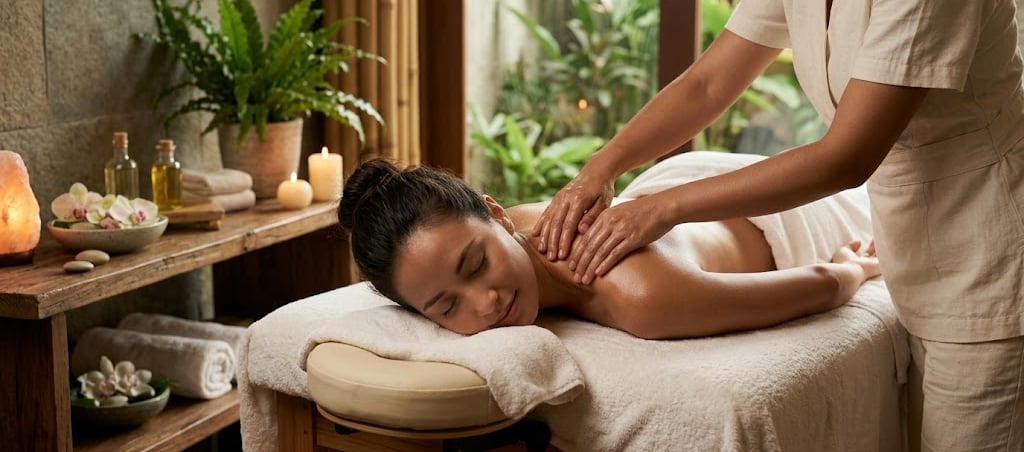
For Aromatherapy Oil Massage: You will be undressed to your comfort level. We provide disposable underwear for you to wear. You will be covered by a large towel or sheet the entire time. The therapist employs strict draping techniques, only uncovering the specific part of the body (like a single leg or your back) that they are actively working on. Your modesty is 100% protected at all times.
For Foot Reflexology: Simply wear pants that can be easily rolled up above the knee.
Part 3: Mental Preparation (Leaving the Baggage at the Door)
The physical preparation is easy; the mental preparation takes a little more conscious effort.
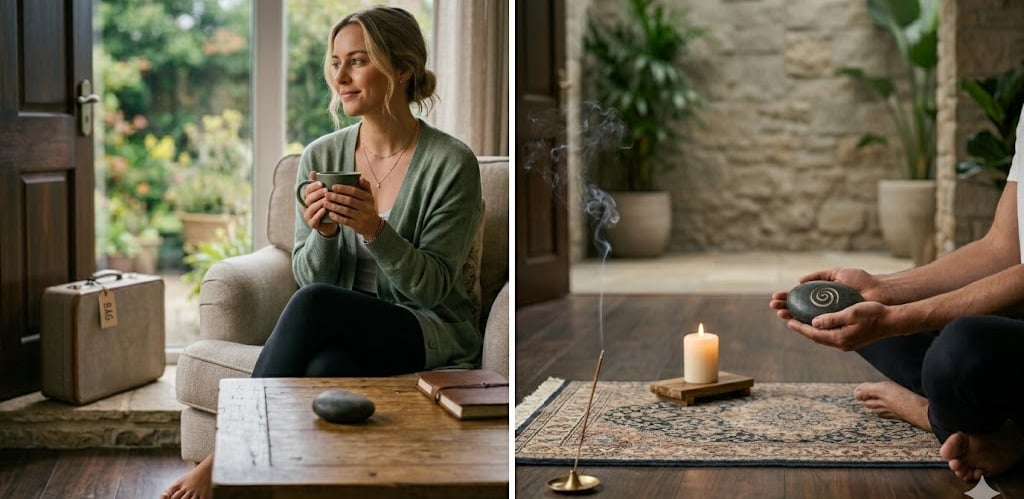
1. The Transition Period Do not rush into your appointment. If your massage is at 2:00 PM, do not arrive at 1:59 PM, panting, sweating, and stressed from arguing with a tuk-tuk driver.
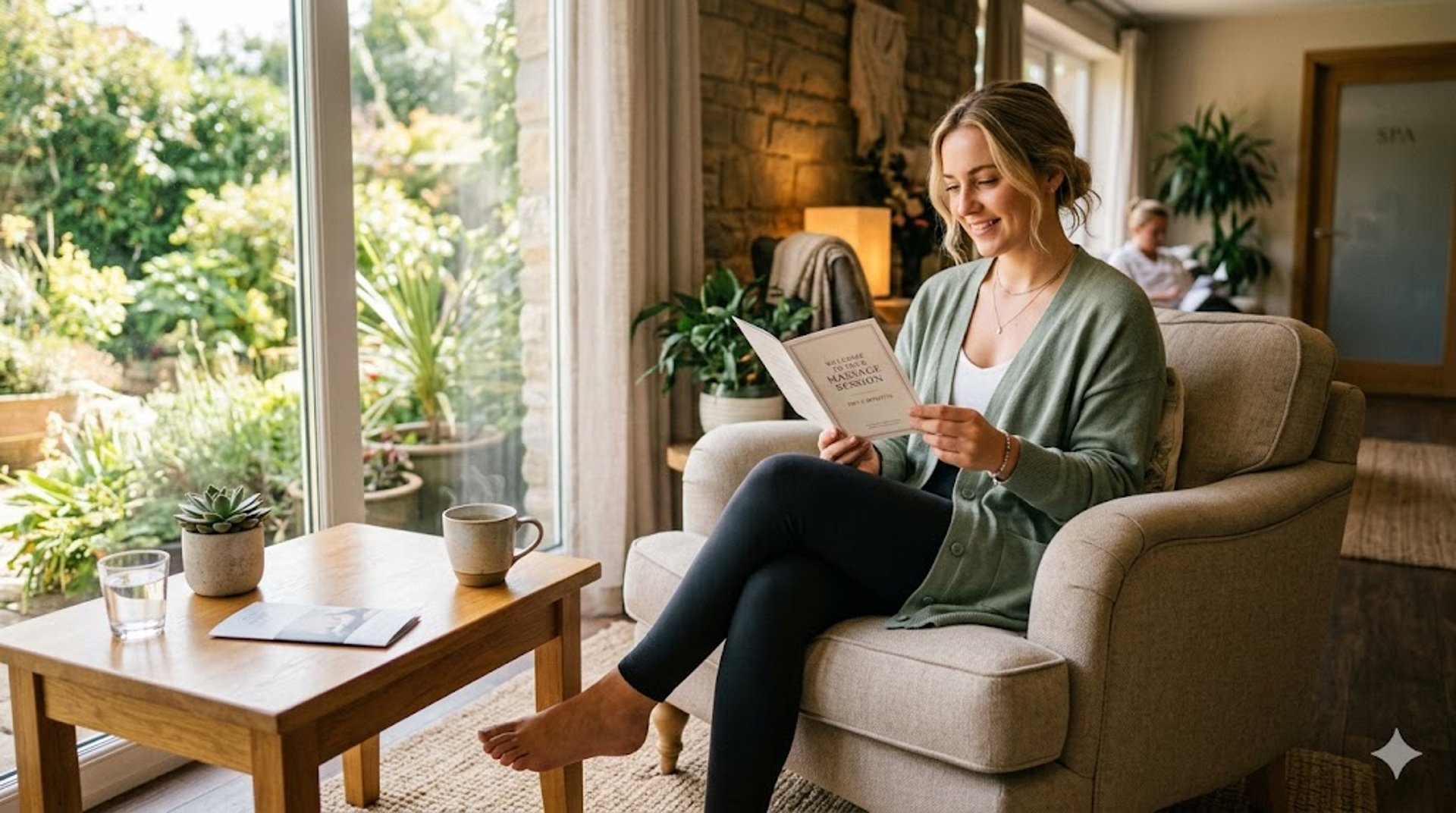
The Fix: Plan to arrive 10 to 15 minutes early. Sit in our reception area. Drink the welcome tea. Take five deep breaths. Let your heart rate return to normal. This transition time tells your nervous system that it is safe to switch from "fight or flight" (travel mode) to "rest and digest" (healing mode).
2. Set an Intention Why are you getting this massage? Are you trying to relieve a specific pain in your lower back from your flight? Are you trying to sleep better tonight? Or do you just want an hour of total silence? Knowing what you want helps you communicate it to us.
Part 4: The Consultation (Using Your Voice)
The most important part of your first massage happens before the therapist even touches you. It is the consultation.
At C and R, we view massage as a partnership. We bring the anatomical knowledge and the technique; you bring the knowledge of your own body. We need to communicate.
1. Medical History Be brutally honest with your therapist. We need to know about:
Recent surgeries or injuries.
Herniated discs or chronic joint issues.
Skin conditions or allergies (especially for oil massages).
Pregnancy.
Note: If you are pregnant, traditional Thai massage is generally contraindicated, but specialized prenatal massage is wonderful. Always tell us!
2. Establishing Boundaries Is there a part of your body you absolutely hate having touched? For some people, it’s their feet. For others, it’s their stomach or their head. Just tell us. "Please don't massage my head today" is a perfectly normal request that we respect entirely.
3. The Pressure Discussion Pressure is subjective. What feels "medium" to a marathon runner might feel "hard" to an office worker.
Start by asking for Medium pressure. It is always easier for a therapist to press harder later than to try and undo the tension caused by pressing too hard initially.
Part 5: During the Session (The Art of Letting Go)
You are on the mat. The lights are dim. The music is playing. Now what?
1. The Breath Connection Beginners often hold their breath, especially during the deeper stretches of a Thai massage. When you hold your breath, your muscles contract and form a defensive shield.
The Rule: Focus on a slow, steady exhale. When the therapist presses into a knot in your shoulder, imagine breathing into that knot and exhaling the tension out. Your breath is the remote control for your nervous system.
2. Speak Up in Real-Time Do not suffer in silence! If the pressure is too hard, you must say so.
Say "Bao Bao" (Softer/Lighter).
Say "Nak Nak" (Harder/Deeper).
If something feels amazing, say so! It helps the therapist learn your body.
3. The "Dead Weight" Rule When a therapist lifts your arm or leg to stretch it, do not try to help them. Beginners often try to anticipate the movement and actively lift their own arm.
The Goal: Be a wet noodle. Be absolute dead weight. Let the therapist do 100% of the work. If you are helping, your muscles are engaged, and they cannot be properly stretched or relaxed.
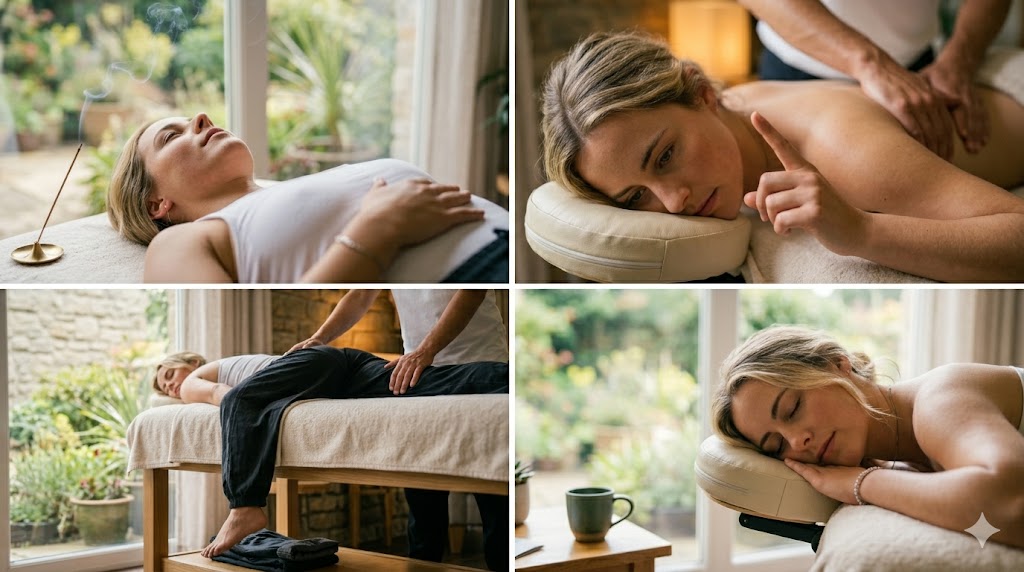
4. Is it Okay to Fall Asleep? Yes! Absolutely. Falling asleep (or entering that twilight state between waking and sleeping) is the ultimate compliment to a therapist. It means your nervous system feels completely safe. Do not feel embarrassed if you snore or twitch—we see it every day, and we love it because it means our work is successful.
Part 6: The Aftermath (Post-Massage Care)
The massage doesn't end when you put your shoes back on. How you treat your body in the next 12 hours dictates how effective the session will be.
1. Hydrate (Again) We will serve you a warm cup of herbal tea after your session. Drink it. Then, continue to drink plenty of water throughout the evening. This flushes out the metabolic waste we just released from your muscles. If you skip this, you might wake up feeling achy, like you have a mild cold (often called a "massage hangover").
2. Take it Easy Your muscles are now elongated, relaxed, and slightly vulnerable.
Do not go straight to a heavy CrossFit workout.
Do not decide to hike the Monk's Trail up the mountain immediately after.
Do go for a gentle walk around the Old City, eat a nourishing meal, or head back to your hotel to read a book. Give your body time to integrate the structural changes we just made.
Conclusion: Your Sanctuary Awaits
Getting your first massage should be a milestone, a moment of profound relief that introduces you to a lifetime of better wellness.
There is nothing to be nervous about. A professional spa is a judgment-free zone. We do not care about the shape of your body, the hair on your legs, or the scars on your skin. Our only goal is to help you feel better when you walk out than you did when you walked in.
So, when you are done wandering the Sunday Walking Street, or when you finish your snacks at the Chiang Mai Gate market, look for our sign.
At C and R Thai Massage, we are ready to guide you through your first session with care, expertise, and the legendary warmth of Northern Thailand.
Branch 1: Sunday Walking Street
(10 AM - 10PM)
Address: 145/8 Rajdamnern Road T. Prasingh
A. Mueng Chiang Mai 50200
Branch 2: Chiang Mai Gate
(10 AM - 10PM)
Address: 18/5 Rat Chiang Saen Road T. Hai Ya
A. Mueng Chiang Mai 50100
Phone Number:
+66 (0) 94 601 6207
+66 (0) 83 480 2627
Email: services.crgroup@gmail.com