



Post-Trekking Recovery Massage in Chiang Mai: Soothe Soreness After Doi Suthep or Doi Inthanon 2026
Conquered the peaks of Doi Inthanon or Doi Suthep? Discover how professional massage at C&R helps your muscles recover faster with Thai techniques and CBD therapy.
CHIANG MAI OLD TOWN AND TRAVEL TIPSTHAI MASSAGE AND WELLNESS
5/27/20264 min read
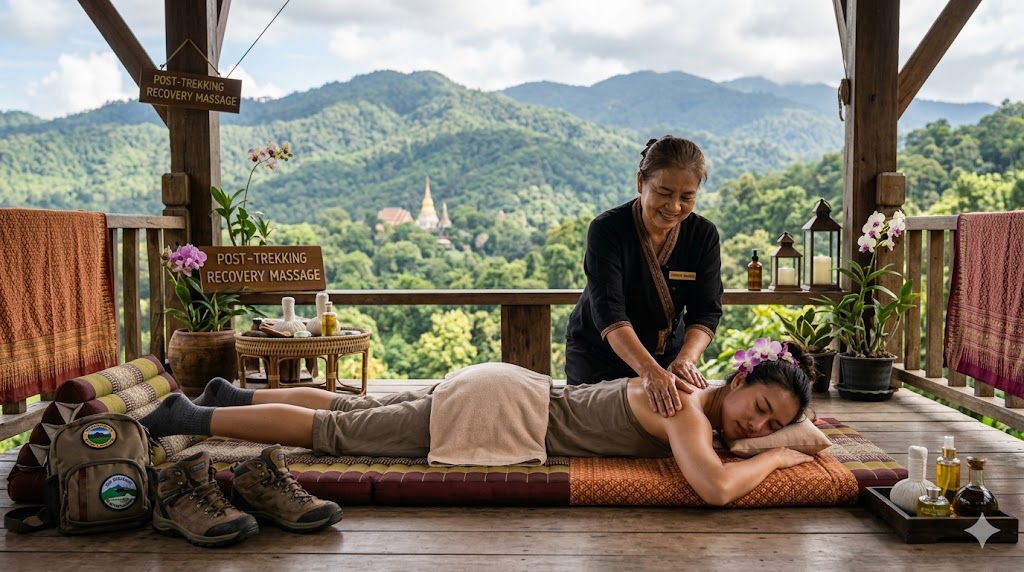
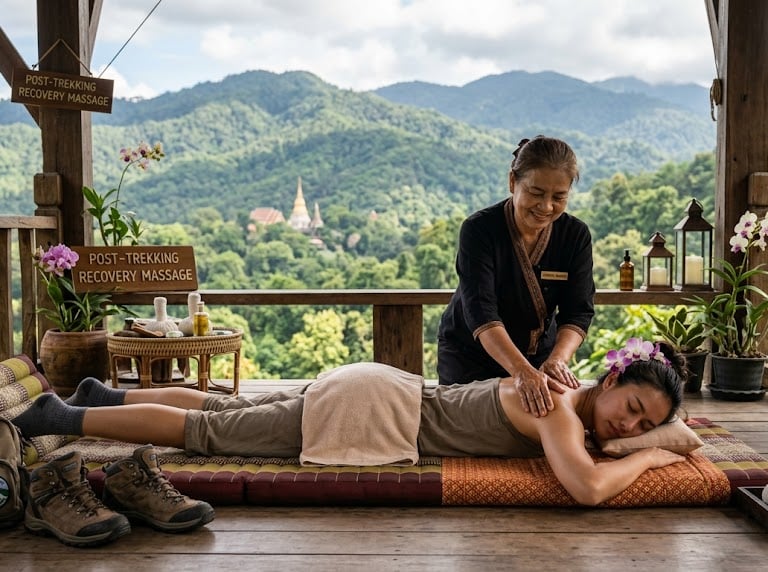
Post-Trekking Recovery Massage in Chiang Mai: Soothe Soreness After Doi Suthep or Doi Inthanon 2026
Disclaimer: This guide is intended for wellness and recovery purposes only and does not constitute medical advice. If you suspect a severe injury, sprain, or fracture from your trek, please seek professional medical attention before booking a massage.
There is no feeling quite like standing atop the summit of Doi Inthanon or finishing the steep trail to Wat Phra That Doi Suthep. The air is thinner, the views are expansive, and the sense of accomplishment is unmatched. However, the descent is where the true challenge begins—for your muscles, at least.
By the time you return to the streets of Chiang Mai, your calves might feel like lead, and your lower back might be crying out for relief. In 2026, trekking has never been more popular in Northern Thailand, and knowing how to properly recover is the secret to ensuring your next adventure is just as enjoyable as the last.
Why Trekking Takes a Toll
Trekking in Chiang Mai’s rugged terrain involves more than just walking. It’s a repetitive, high-impact workout. Whether you are navigating the slippery slopes of the Doi Inthanon national park or the steep stairs of Doi Suthep, your body endures:
Eccentric Loading: Walking downhill forces your quadriceps to act as brakes, creating micro-tears in the muscle fibers.
Joint Compression: Your knees and ankles take the brunt of the descent, leading to inflammation.
Static Posture: Carrying a trekking pack causes your trapezius and rhomboids to tighten, leading to the dreaded "hiker’s hunch."
The Recovery Powerhouse: Thai Massage & Hot Stones
Recovery isn't just about resting; it’s about blood flow. Muscles that are left in a state of high tension remain inflamed for days.
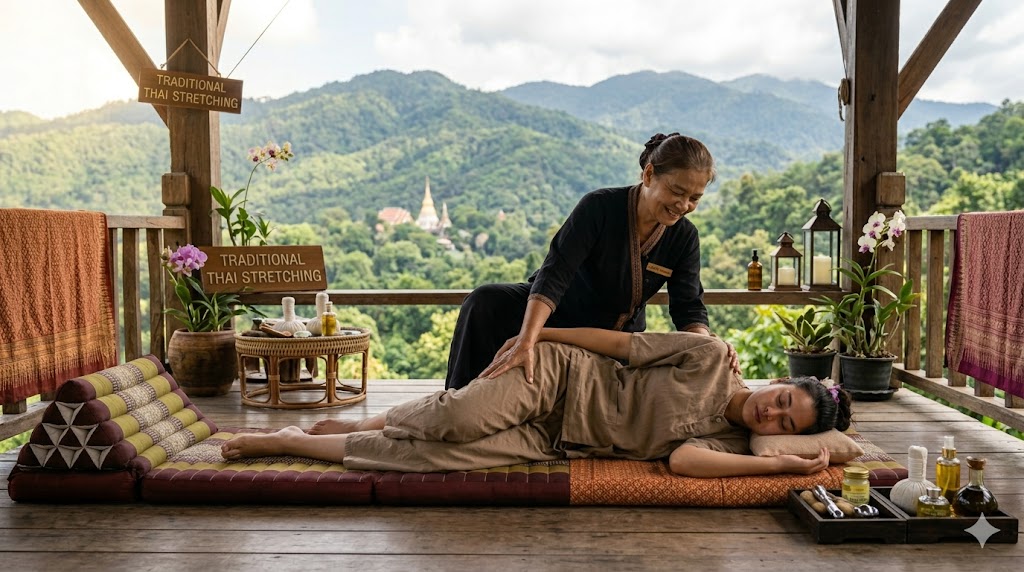
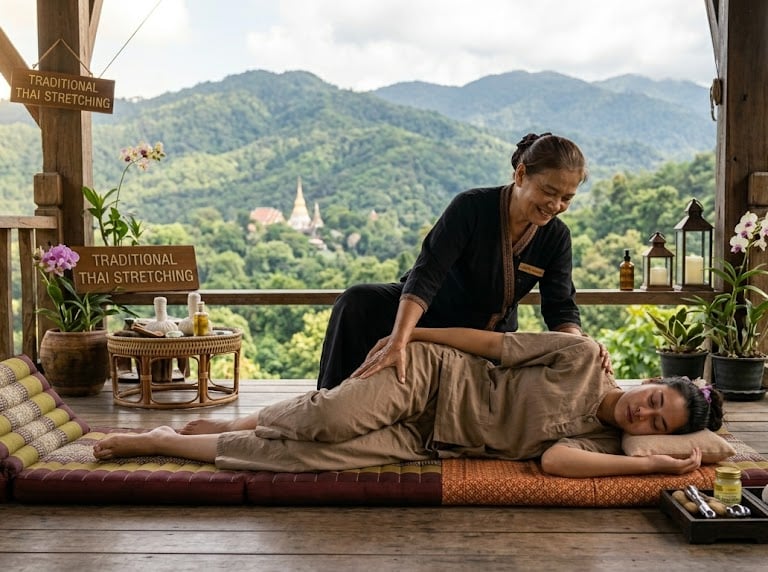
Traditional Thai Stretching
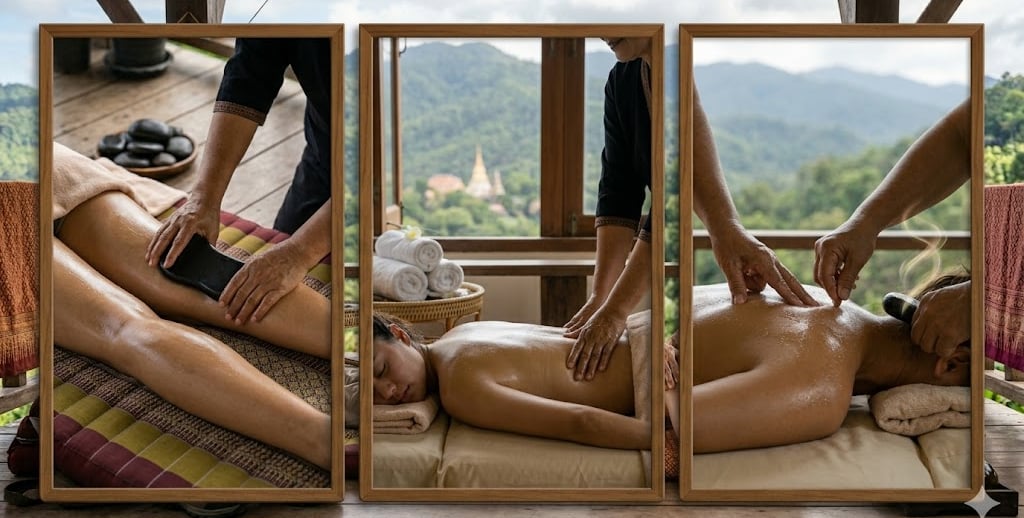
Traditional Thai massage is uniquely suited for hikers because it functions as "passive yoga." By gently stretching the hamstrings, glutes, and IT bands, your therapist helps release the muscle knots that tighten up after long hours of ascent. This helps regain your natural range of motion before you head back to the airport.
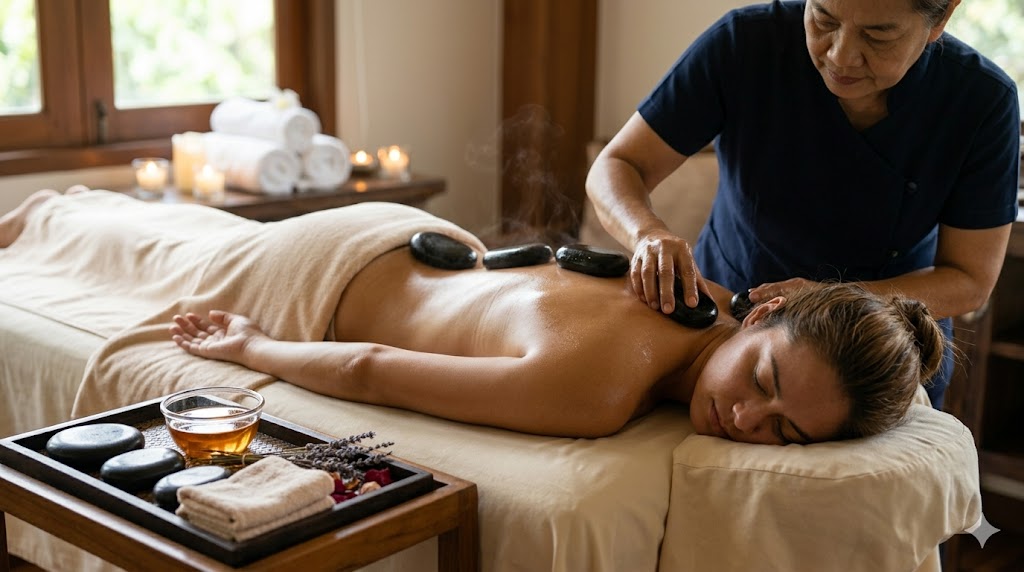
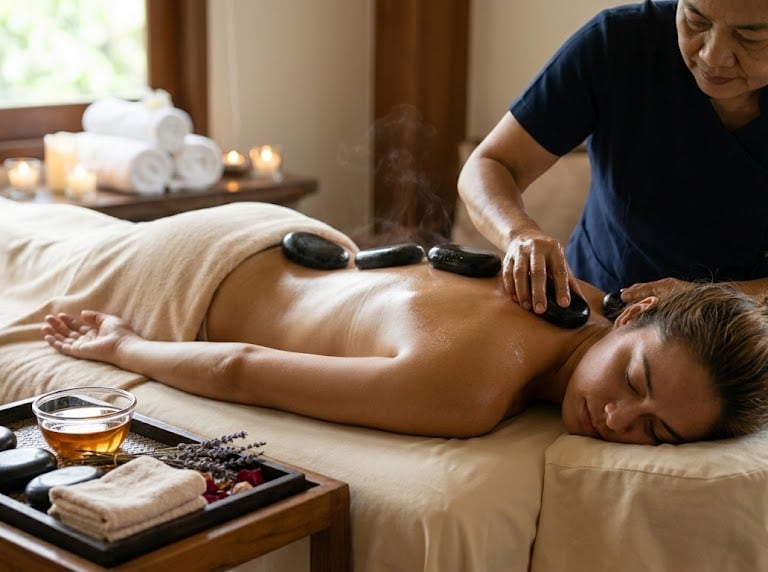
The Magic of Hot Stones
For deep, lingering ache in the lower back or quads, Hot Stone Therapy is your best friend. The heat penetrates deep into the muscle tissue, increasing circulation and relaxing the fibers far more effectively than pressure alone. It helps draw out the lactic acid buildup, allowing you to walk normally again within 24 hours.
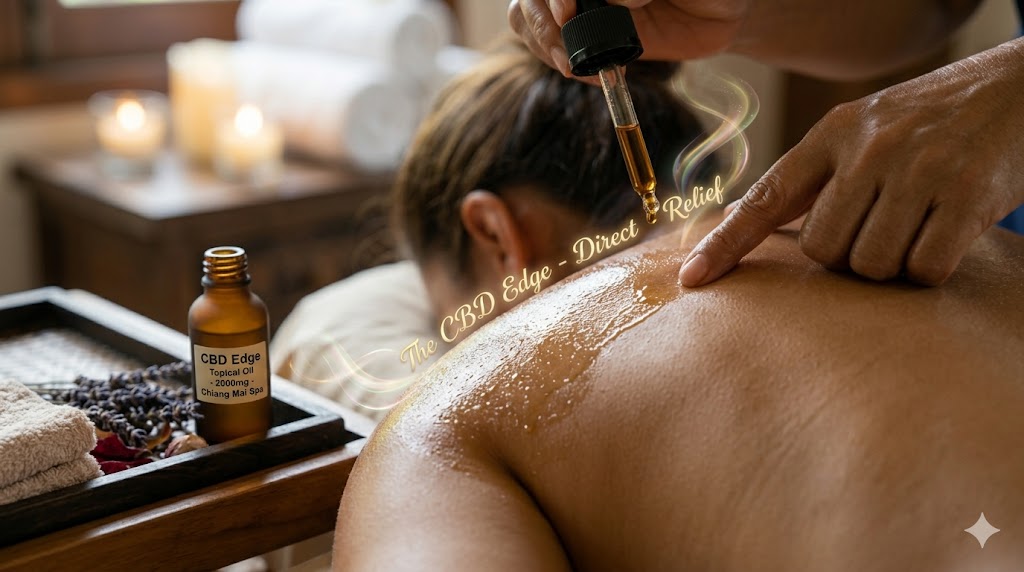
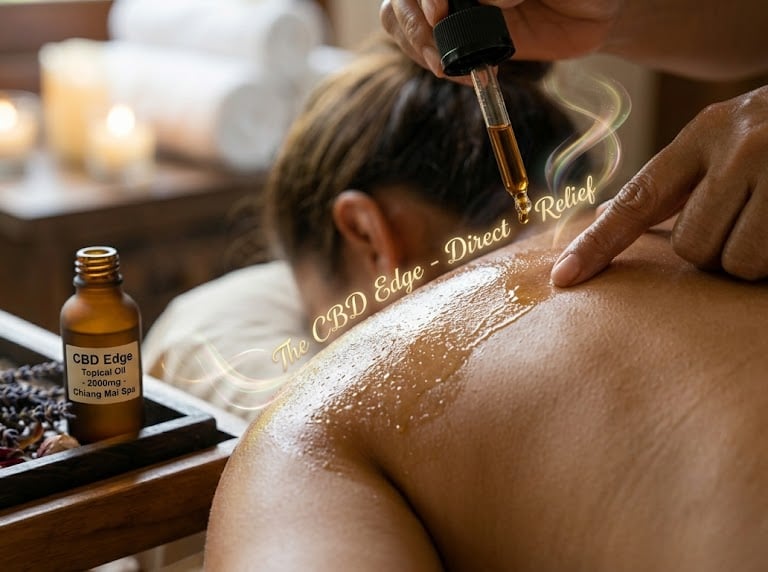
The CBD Edge
In 2026, we highly recommend adding a CBD-infused balm to your post-trekking session. CBD has potent anti-inflammatory properties that work topically. When applied to sore knees or tight shoulders, it creates a localized cooling sensation that mitigates the "burn" of overused muscles.
Targeted Recovery: Where Does It Hurt?
When you return from a trek, your body often sends different signals depending on which muscles were pushed to their limit. Understanding these common pain points can help you communicate more effectively with your therapist so they can tailor your session at C&R.
Legs (Calves and Quadriceps) These are typically the first areas to protest after a trek. The repetitive impact of descending mountain paths, especially the steep stairs of Doi Suthep, forces your quadriceps to act as a braking system. This results in significant micro-tears in the muscle fibers. Deep tissue work and long, rhythmic strokes are essential here to release tight fascia and prevent the muscles from "locking up" the following day.
Lower Back Carrying a trekking pack—regardless of how light it is—inevitably changes your center of gravity. Negotiating uneven, rocky, or muddy terrain forces your core and lower back muscles to engage constantly to maintain your balance. This often leads to deep, aching tension in the lumbar region. Recovery for this area focuses on spinal alignment, gentle traction, and releasing the muscles surrounding the sacrum, which helps restore your natural range of motion.
Shoulders and Neck If you have been wearing a backpack with shoulder straps for hours, you have likely been subconsciously shrugging your shoulders to keep the weight stable. This static tension causes the trapezius and rhomboid muscles to tighten into hard knots. Targeted trigger point release is the gold standard for this type of pain; by applying focused pressure to these specific points, your therapist can help ease that chronic upper-back stiffness and release the tension headaches that often follow long days on the trail.
Your Post-Trek Strategy at C&R
At C&R Thai Massage, we specialize in helping trekkers get back on their feet. Whether you are staying in the vibrant Old City or near the Nimman area, we have a location ready to help you recover.
The Old City Branch: The Ultimate Recovery Combo
If you’ve just returned from a long hike, our Old City branch is the perfect base. Conveniently located right next to Haze Buds, you can drop by to explore high-quality, regulated CBD wellness products to aid your muscle recovery, then step immediately into our spa for a restorative session.
3 Essential Tips for After Your Massage
A massage is only as good as the post-treatment care you provide. Follow these rules to maximize your recovery:
Hydrate, Hydrate, Hydrate: Massage releases metabolic waste from your muscles into your bloodstream. Drink 500ml–1L of water immediately after your session to help your kidneys flush these out.
Avoid Heavy Exercise: Give your body at least 24 hours to integrate the therapy. No heavy squats or long-distance running the day after a deep-tissue session.
Warmth is Your Friend: After the session, keep your muscles warm. A light jacket or a warm shower helps keep the blood flow high, preventing stiffness from returning.
Don’t let trekking aches ruin your Chiang Mai trip. Whether you need a gentle stretch or a targeted deep tissue session with CBD balm, our therapists are ready to help.
Branch 1: Sunday Walking Street
(10 AM - 10PM)
Address: 145/8 Rajdamnern Road T. Prasingh
A. Mueng Chiang Mai 50200
Branch 2: Chiang Mai Gate
(10 AM - 10PM)
Address: 18/5 Rat Chiang Saen Road T. Hai Ya
A. Mueng Chiang Mai 50100
Phone Number:
+66 (0) 94 601 6207
+66 (0) 83 480 2627
Email: services.crgroup@gmail.com