
Tipping in Chiang Mai Guide 2025: Etiquette for Massage, Food, & Taxis
Confused about tipping in Thailand? Read our 2025 guide to tipping in Chiang Mai. Learn how much to tip for Thai massage, street food, Grab, and hotels.
CHIANG MAI OLD TOWN AND TRAVEL TIPS
12/13/20257 min read


Tipping Etiquette in Chiang Mai: Who, When, and How Much? (The 2025 Guide)
You’ve just finished a delicious bowl of Khao Soi at a street stall. The bill comes to 60 Baht. You hand over a 100 Baht note. The vendor hands you two 20 Baht notes in change.
Now, the moment of panic sets in.
Do you leave the 40 Baht? Do you leave 20? Do you scoop it all up and walk away? Will they be offended if you don’t tip? Will they be offended if you do?
Welcome to the confusion of tipping in Thailand. Unlike the United States, where 20% is mandatory, or Japan, where tipping can be seen as an insult, Thailand occupies a confusing middle ground. It is officially a "non-tipping culture" that has evolved into a "tipping-is-appreciated culture," especially in tourist hubs like Chiang Mai.
At C and R Thai Massage, we see this confusion on our clients' faces every day. We often get whispered questions at the front desk: "Is it customary to tip the therapist? How much is normal?"
We believe that a relaxing vacation requires a relaxed mind. You shouldn't have to stress about social etiquette every time you open your wallet. That is why we have compiled this ultimate, comprehensive guide to tipping in Chiang Mai. We are going to break down every scenario—from street food to five-star hotels, from red trucks to spas—so you can navigate our beautiful city with confidence and Nam Jai.
Part 1: Understanding "Nam Jai" (The Heart of the Matter)
Before we talk about numbers, we need to talk about culture. To understand tipping in Chiang Mai, you must understand the Thai concept of Nam Jai (น้ำใจ).
Directly translated, it means "Water of the Heart." It refers to kindness, generosity, and the willingness to help others without being asked.
In the West, tipping is often viewed as a transaction: "I pay for a service." In Thailand, tipping is often viewed as an act of Nam Jai: "I appreciate you, and I want to share a little extra to help you."
Chiang Mai is generally more laid-back and affordable than Bangkok or Phuket. Wages here are often lower than in the capital. A small tip that might seem insignificant to a traveler (like 20 or 50 Baht) can actually buy a full meal for a local worker. When you tip in Chiang Mai, you aren't just following a rule; you are participating in a cycle of kindness.
However, there is a fine line. You never want to "flash your cash" or act superior. Tipping should always be done discreetly and with a smile.
Part 2: The Dining Guide (Street Food to Fine Dining)
The rules change drastically depending on where you are sitting.
1. Street Food & Night Markets
The Verdict: No tip required.
The Vibe: Street food is all about speed and low cost. If you buy a smoothie for 30 Baht or a skewer of pork for 10 Baht, the vendor does not expect a tip.
The Exception: If you pay with coins or a small bill and get 1 or 2 Baht back in coin change, it is very common to just leave the coins. It’s more about convenience than tipping.
2. Small Cafes & Coffee Shops
The Verdict: Round up or Tip Jar.
The Vibe: Chiang Mai is the coffee capital of the North. If you buy a Latte for 60 Baht and hand over 100, getting 40 back, you might drop a 10 Baht coin into the tip jar on the counter.
The "Change" Rule: If the bill is 85 Baht and you pay 100, leaving the 15 Baht change is a polite gesture, but pocketing it is also perfectly fine.
3. Air-Conditioned Restaurants (Mid-Range)
The Verdict: 20 to 50 Baht.
The Vibe: These are sit-down places with menus and waitstaff. A flat tip of 20-50 Baht left on the table after you pay the bill is standard for good service. You don't need to calculate percentages here.
4. Fine Dining & Riverside Restaurants
The Verdict: Check the Bill first! (10% Rule).
The Trap: Many upscale restaurants in Chiang Mai will automatically add a 10% Service Charge to the bill. You will see this written as "SC 10%" or "++" (Plus tax, Plus service).
If Service Charge is included: You do not need to tip extra. The restaurant has already tipped for you. However, if the service was exceptional, leaving an extra 100 Baht specifically for your server is a very kind gesture.
If Service Charge is NOT included: A tip of 10% is standard for high-end dining.


Part 3: Transportation (Getting Around)
1. The Rod Daeng (Red Trucks)
The Verdict: No tip.
The Logic: These are shared taxis. The price is usually fixed (standard 30 Baht for short trips). You pay the exact amount. If you give them 100 Baht, wait for your change.
2. Tuk-Tuks
The Verdict: Round up / Keep the change.
The Logic: Tuk-Tuk prices are usually negotiated beforehand and are often higher for tourists. Because you have already agreed on a price, a tip isn't expected. However, if the driver was funny, helpful, or fast, rounding up (e.g., paying 150 for a 140 ride) is appreciated.
3. Grab (The App)
The Verdict: 10-20 Baht (Optional).
The Logic: The app has a tipping function after the ride. If it’s raining, traffic was bad, or the driver was polite, hitting the 10 or 20 Baht tip button is a nice way to say thank you.
Part 4: Hotels and Tourism
1. Housekeeping
The Verdict: 20-50 Baht per day.
How to do it: Leave the money on the pillow or the nightstand. Housekeepers are often the lowest-paid staff in the hotel industry and work incredibly hard. This small amount makes a big difference.
2. Bellboys / Porters
The Verdict: 20-40 Baht per bag.
The Logic: If someone carries your heavy luggage up three flights of stairs in the Thai heat, a tip is definitely in order.
3. Tour Guides
The Verdict: 300 - 500 Baht per day (for the group).
The Logic: Tour guides rely heavily on tips. If you spend a full day with a guide who speaks good English, explains the history, and keeps you safe, a tip is expected.
Drivers: If the tour includes a separate driver, giving them 100-200 Baht is polite.
Part 5: The Big Question: Tipping for Massage & Spas
This is our area of expertise! At C and R Thai Massage, we want our clients to feel comfortable.
Massage is hard, physical work. A therapist uses their entire body—thumbs, palms, elbows, knees, and energy—to heal yours. It requires strength, stamina, and extensive training.
In Thailand, massage therapists often earn a modest base salary or work on a commission basis per hour. Therefore, tips constitute a significant portion of their take-home income.
The Standard Massage Tip Guide:
1 Hour Massage (Standard): 50 - 100 Baht.
2 Hour Massage: 100 - 200 Baht.
exceptional Service: If the therapist found "that spot" that has been bothering you for years, or if you feel like you are floating on a cloud afterwards, 200 Baht is a generous way to show gratitude.
The "Hierarchy" of Spas:
Local/Street Shops (150-200 Baht/hr): Tipping is highly expected here as wages are low. 50 Baht is a good baseline.
Mid-Range Spas (Like C and R): We focus on quality and hygiene. A tip of 100 Baht is very standard and greatly appreciated by our staff.
Luxury Hotel Spas (3,000+ Baht/hr): Check for that 10% service charge! If included, you don't need to tip, though handing 100 Baht directly to the therapist is still common.
How to Tip Your Therapist (Important!)
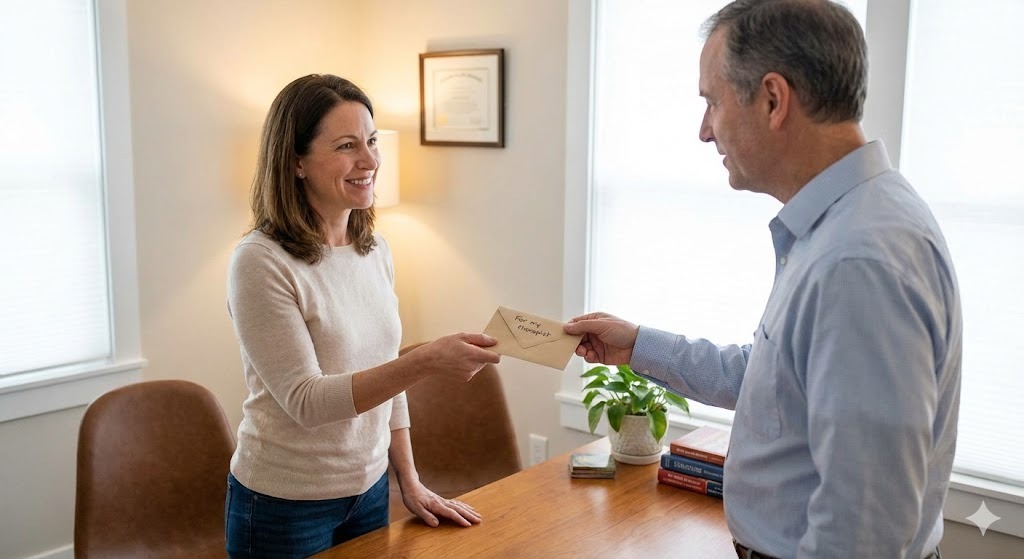
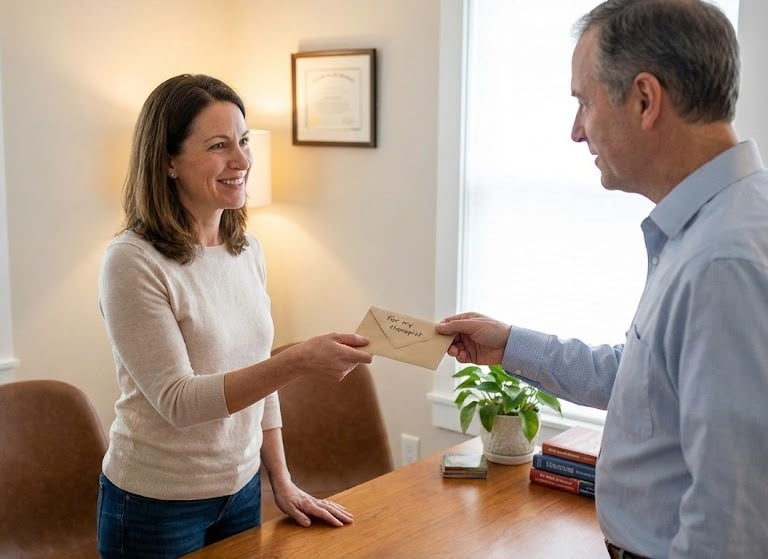
Do not leave the tip at the front desk. Always hand the money directly to your therapist. Usually, after the massage, the therapist will bring you tea, your shoes, or wait near the exit to say goodbye (Sawasdee). This is the moment to hand them the cash with a smile and a "Khob Khun Ka/Krap" (Thank you). This ensures the money goes 100% to the person who did the work.
Part 6: The "Don'ts" of Tipping
While Thailand is easy-going, there are a few faux pas to avoid.
Don't Tip with Small Coins (Satang or 1 Baht): Leaving a pile of 1 Baht coins (or the tiny copper Satang coins) can be seen as rude, like you are getting rid of your trash. Try to use 20 Baht notes or larger coins (5 or 10).
Don't Flash Money: Tipping is a private transaction. You don't need to make a show of it. A discreet hand-off is the classy way.
Don't Stress Over Missed Tips: If you forget to tip, don't let it ruin your day. No one is going to chase you down the street. Remember Nam Jai—it comes from the heart, not from obligation.
Part 7: The "Bank Note" Strategy for Travelers
To be a pro tipper in Chiang Mai, you need to manage your cash flow. ATMs usually spit out 1,000 Baht notes. These are useless for tipping!
The Strategy: Whenever you go to a 7-Eleven or a large supermarket to buy water or snacks, pay with your 1,000 Baht note. They always have change. Hoard your 20 Baht and 50 Baht notes. Keep a separate pocket in your wallet or bag specifically for these "tipping notes." This way, when your Grab arrives or your massage ends, you aren't frantically digging around looking for change.
Conclusion: It’s Not About the Money, It’s About the Connection
Chiang Mai is a city built on relationships. When you tip, you are acknowledging the human effort behind the service. You are telling the street food vendor, the driver, or the massage therapist, "I see your hard work, and I value it."
While the money helps, the smile and the "Thank You" that accompanies it are just as valuable.
We hope this guide helps you navigate the streets of Chiang Mai with confidence. And remember, whether you tip 20 Baht or 100 Baht, if it comes from a place of kindness, it is always the right amount.
Now that you know the etiquette, are you ready for some relaxation? Come visit us at C and R Thai Massage. Our therapists are ready to welcome you with the best hospitality in the North (and we promise, we’ll smile whether you tip or not!).
Branch 1: Sunday Walking Street
(10 AM - 10PM)
Address: 145/8 Rajdamnern Road T. Prasingh
A. Mueng Chiang Mai 50200
Branch 2: Chiang Mai Gate
(10 AM - 10PM)
Address: 18/5 Rat Chiang Saen Road T. Hai Ya
A. Mueng Chiang Mai 50100
Phone Number:
+66 (0) 94 601 6207
+66 (0) 83 480 2627
Email: services.crgroup@gmail.com